
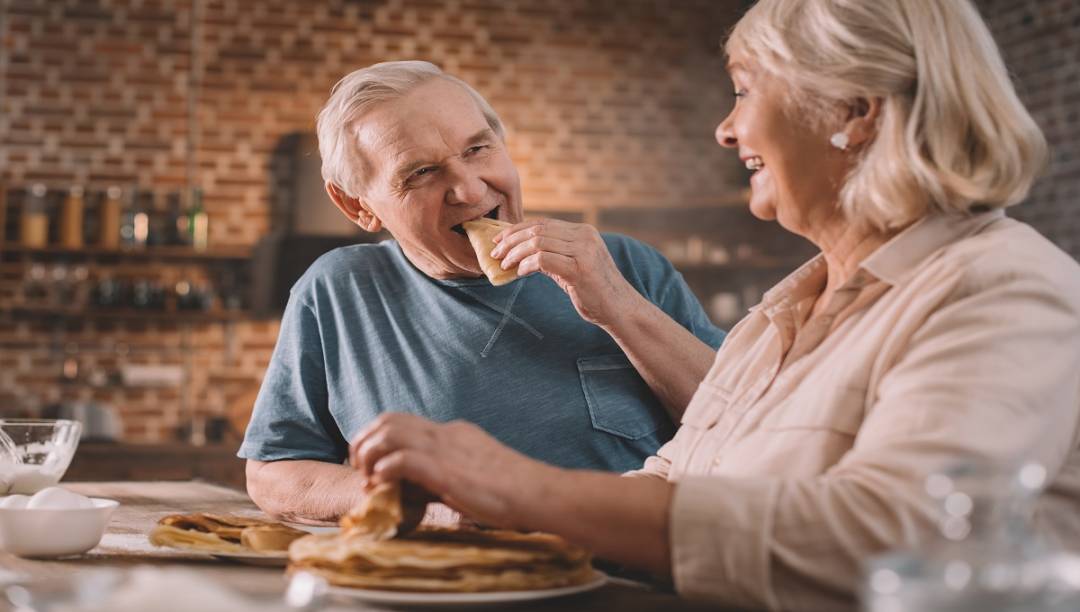
Food is far more than just fuel. It is the centerpiece of family gatherings, a vessel for culture, and one of life’s simple daily pleasures. However, for many older adults, the simple act of sitting down to a meal can turn from a source of joy into a source of anxiety. When biting causes pain or chewing becomes a chore, quality of life takes a significant hit.
It is a common misconception that oral pain and tooth loss are inevitable consequences of aging. While our bodies change as we get older, suffering through meals shouldn’t be the new normal. Whether the issue stems from sensitive gums, loose dentures, or missing teeth, there are effective strategies to restore comfort and confidence at the dinner table.
If you or a loved one are modifying your diet to avoid pain, it is time to explore the solutions available. From simple lifestyle adjustments to advanced restorative procedures, regaining the ability to eat what you love is entirely possible.
Identifying the Culprit: Why Does Eating Hurt?
Before finding a fix, you have to find the source. As we age, the nerves in our teeth can actually become smaller, making us less sensitive to cavities in the early stages. However, other issues tend to rise to the surface.
Gum recession is a primary offender. As gums pull back, they expose the tooth root, which has no protective enamel. This makes hot soup or cold ice cream agonizing. Additionally, years of wear and tear can lead to hairline cracks in the teeth, known as “craze lines,” which flex painfully when you bite down on something hard.
Ill-fitting prosthetics are another major cause of distress. The shape of the jawbone changes over time, especially after tooth loss. Dentures that fit perfectly five years ago might now slip, slide, or rub against the gums, creating painful sores that make chewing difficult.
Smart Dietary Adjustments for Immediate Relief
While waiting for professional treatment, or as a complement to it, changing how you eat can make a dramatic difference. This doesn’t mean resigning yourself to a diet of bland puree. It means preparing food strategically.
Embrace Slow Cooking
Tough meats are often the first thing seniors cut from their diet, which can lead to protein deficiencies. Utilizing a slow cooker or pressure cooker breaks down the fibers in beef, pork, and chicken until they are fork-tender. You get the flavor and the nutrition without the rigorous chewing requirement.
Modify Textures
Vegetables are vital for health but raw carrots or celery can be brutal on sensitive teeth. Steaming or roasting vegetables until they are soft retains their vitamins while making them safe to bite. For fruits, smoothies are an excellent way to consume a high volume of nutrients without stressing the jaw.
Temperature Control
If sensitivity is the main issue, let your food settle to room temperature before digging in. Extreme heat and extreme cold trigger nerve pain; lukewarm foods are generally much gentler on exposed roots.
Addressing Dry Mouth (Xerostomia)
One often overlooked factor in painful eating is dry mouth. Saliva is essential for lubricating food and beginning the digestion process. Without it, chewing dry foods like bread or crackers can feel like chewing sandpaper.
Unfortunately, dry mouth is a common side effect of hundreds of medications frequently prescribed to older adults (for blood pressure, depression, and pain). To combat this:
- Hydrate frequently: Sip water throughout the meal.
- Use saliva substitutes: Over-the-counter sprays and mouthwashes can mimic natural saliva.
- Limit caffeine and alcohol: Both can dehydrate the oral tissue further.
Stability Solutions: Dentures and Bridges
For those missing teeth, replacing them is the only way to restore biting force. Traditional dentures have been the go-to solution for decades. They are non-invasive and cost-effective. However, they rely on suction or metal clasps to stay in place.
If your dentures are causing pain, they likely need a “reline.” This is a procedure where a dentist resurfaces the underside of the denture to match the current shape of your gums. Using a high-quality denture adhesive can also provide a cushion and prevent the movement that causes friction sores.
Dental bridges are another option if you still have healthy teeth. A bridge uses adjacent teeth as anchors to hold a false tooth in place. This provides more stability than a removable denture, allowing for a more natural biting experience.
The Permanent Fix: Dental Implants
For many seniors, the ultimate goal is to forget they have false teeth at all. This is where dental implants distinguish themselves from other options. Unlike dentures that sit on the gums, implants are anchored into the jawbone.
Titanium posts are surgically placed into the jaw, where they fuse with the bone in a process called osseointegration. This creates a rock-solid foundation that mimics a natural tooth root. Because the implant stimulates the jawbone, it also prevents the bone loss that typically occurs after a tooth is pulled.
For residents seeking dental implants in Chattanooga, local specialists often recommend this option because of the sheer bite force it restores. With implants, you can eat crisp apples, corn on the cob, and steak without fear of the tooth slipping or the gums hurting. While the process takes longer than getting dentures, the result is a permanent return to near-natural function.
Don’t Let Pain Shrink Your World
It is easy to fall into a pattern of avoidance skipping the family barbecue because the corn is too hard to eat, or ordering soup at a restaurant not because you want it, but because it’s “safe.” This avoidance shrinks your world and limits your nutritional intake.
Pain-free eating is not a luxury; it is a cornerstone of health and happiness in your later years. Whether it involves a simple adjustment to your denture, treating an underlying gum issue, or investing in a permanent solution like implants, the path to a better meal is waiting.
Take the First Step Toward Comfort
You do not have to accept oral discomfort as a companion to aging. If you are finding yourself cutting up your food into tiny pieces or avoiding your favorite meals entirely, it is time to consult with a professional.
A thorough dental evaluation can pinpoint exactly why biting hurts and which solution fits your health profile and budget. Reclaim your seat at the table and enjoy every bite again.
Read More: Inomyalgia: Symptoms, Causes, Diagnosis, and Best Treatments