
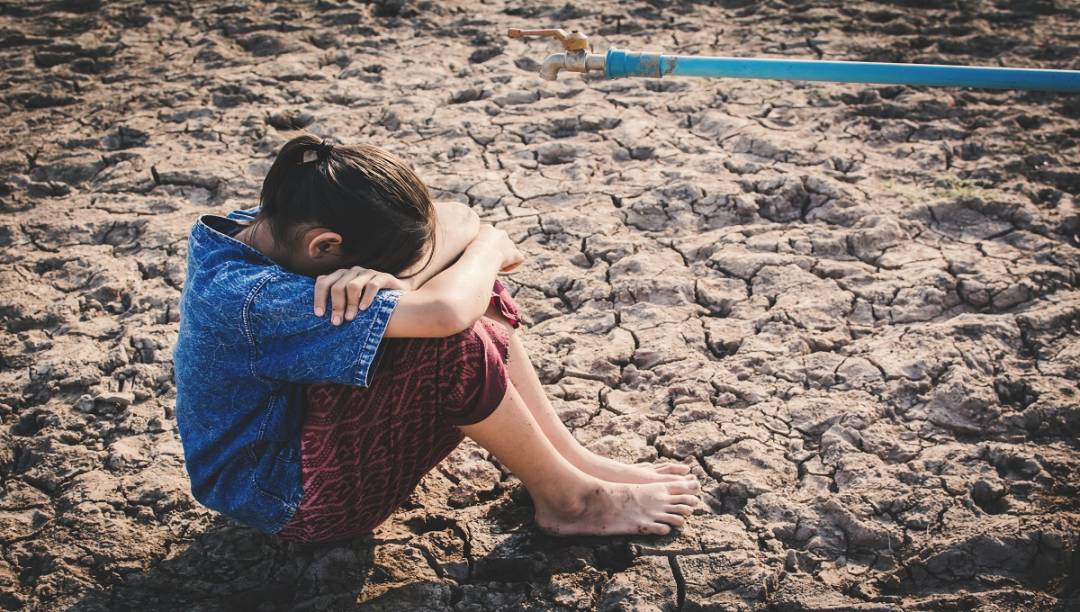
The journey of building resilience after a traumatic experience is all about empowering yourself to reclaim your strength and hope. According to the University of California San Francisco, trauma often goes hand in hand with feelings of depression and anxiety.
When stress is ongoing, it can lead to inflammation and serious health repercussions later on. However, you can heal and grow stronger by taking deliberate steps and showing yourself kindness. This process is about nurturing your mind, body, and relationships, enabling you to transform your pain into resilience.
You must see challenges as chances to learn and grow. These habits help you build resilience, turning struggles into meaningful purpose and enabling you to thrive. This article explores various strategies that can help you tap into your inner strength, guiding you toward a more fulfilling and empowered life.
Set Realistic Goals
Establish realistic goals when working on rebuilding your resilience after facing trauma. It allows you to regain a sense of control and make progress without feeling overwhelmed. So, it’s best to begin with small, achievable steps, like going for a short walk each day or writing down your feelings for just ten minutes.
The small victories help you build momentum, demonstrate your abilities, and nurture hope while easing frustration over time. You keep track of your progress by celebrating every win, which helps shift your mindset towards a more positive outlook.
Adapt your objectives to your energy levels. This technique enhances patience and adaptability. It reshapes recovery into a continuous journey of empowerment and a revitalized sense of purpose.
Invest in Self-Care
Self-care is a key part of recovering from trauma because it helps to restore your physical and emotional energy. Boston University notes that after going through trauma, taking care of yourself becomes an essential part of finding your footing again. It is about managing stress as you heal. This journey is all about making choices that help you feel healthy and at ease, regardless of whether the trauma was physical, mental, or a mix of both.
You must focus on the essentials, such as healthy meals, good sleep, and gentle activities like walking in nature. These habits help recharge your body, lower stress levels, and lay the groundwork for healing.
As you dedicate time to self-care, you’ll notice it boosts your ability to handle life’s ups and downs, brightens your mood, and strengthens your self-esteem. Embracing self-care regularly can transform moments of vulnerability into lasting strength, empowering you to tackle life with renewed energy.
Seek Support
After suffering trauma, seeking assistance is essential to developing resilience. It serves as a reminder that healing is a collaborative process. Trauma can leave you feeling isolated and overwhelmed, but reaching out to trusted friends, family, or professionals can lighten that burden. Joining groups or attending therapy sessions can offer new perspectives that empower you on your path to recovery.
In some cases, you may also need legal support, such as when you get into a car accident without any fault. If you want to know how a lawyer can help you in a personal injury or wrongful death claim, you can visit https://getfrankgetjustice.com/. If someone else’s negligence causes pain and suffering to victims, they can file a lawsuit to claim rightful compensation.
Being honest about your needs is essential to building a support system. As these connections develop, they nurture a sense of belonging and strength, helping you navigate your pain and rekindle hope.
Develop Emotional Regulation
Being able to regulate your emotions is vital for healing after trauma. According to PositivePsychology, emotional regulation is essentially your ability to manage which emotions you feel and how you express those feelings. It controls your emotions so they don’t control you or divert you from your everyday tasks.
Trauma can unleash a wave of anger, fear, or sadness that seems impossible to manage.
However, you can adopt techniques like deep breathing or grounding exercises to take a moment and respond with intention. This method can soothe your nervous system.
Every day, you can strengthen this skill by keeping a journal of your triggers and responses and using progressive muscle relaxation to overcome tension. With time, your emotional regulation will improve your clarity and build a solid inner stability. It turns your raw pain into a source of strength for a more resilient life.
Embrace a Growth Mindset
When it comes to developing resilience following trauma, adopting a growth mindset can significantly alter the situation. IE University states that when you nurture a growth mindset, you learn to approach challenges with a more thoughtful attitude, which in turn builds your resilience. These two elements are interconnected. People who adopt a growth mindset tend to cultivate greater resilience.
Even while trauma might leave you feeling damaged or stranded, it is vital to recognize that obstacles can present chances to develop insight. To begin, start by seeing setbacks as transient lessons. This shift in perspective encourages resilience and paves the way for positive change.
You can develop this mindset daily by celebrating effort instead of just the outcomes, seeking out feedback, and visualizing your progress. Over time, a growth mindset rewires your brain for flexibility, transforming pain into purpose. It enables you to flourish beyond trauma with newfound confidence and opportunities.
FAQs
Why is resilience important?
Resilience is crucial because it enables you to recover from challenging experiences, such as trauma, and transform the setbacks into opportunities for growth. It helps you build inner strength, manage stress, and enhance your mental well-being. Without resilience, challenges can feel overwhelming; however, when you possess it, you can approach life with confidence and purpose.
What are the pillars of resilience?
The key elements of resilience are optimism, which helps keep hope alive; self-efficacy, which boosts your confidence in tackling challenges; emotional regulation to help you manage stress; and problem-solving skills that encourage proactive action. Together, these components empower you to adapt and flourish even in tough times.
Does resilience make you a better person?
Being resilient does make you a better person. It nurtures empathy born from your own struggles, fosters a compassion for those around you, and hones your wisdom as you navigate through growth. You start to embody patience, adaptability, and inspiration, transforming your pain into a purpose that enriches your relationships. Life’s challenges mold you into a more compassionate and resilient version of yourself.
The journey of building resilience after trauma is truly transformative, turning your pain into a source of strength. Each step prepares you to emerge even stronger. While these practices don’t erase the past, they enable you to fully engage with the present and face whatever comes next with confidence and grace.
Take this journey with a patient heart, because resilience truly thrives on steady effort. Your healing journey serves as a beacon for others, showing that from challenges, you can experience growth. Commit today, you have the power to reshape your narrative and shine even brighter than before.