
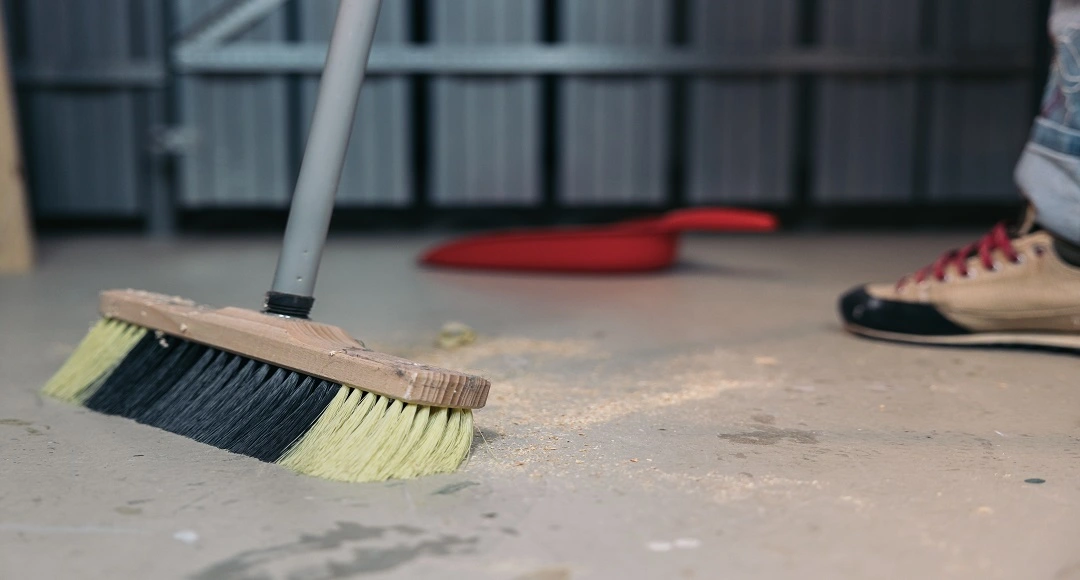
Your garage floor takes a beating every single day. While you might worry about scratches on your hardwood or stains on your carpet, the concrete slab in your garage faces challenges that no other floor in your home experiences. Understanding why garage floors endure so much stress can help you make better decisions about maintenance and protection.
The Weight Problem
No other floor in your home supports the kind of weight that your garage floor handles daily. A typical sedan weighs around 3,500 pounds. Trucks and SUVs can weigh between 5,000 and 7,000 pounds. That weight concentrates on four small tire contact patches, creating intense pressure on specific points of your concrete.
Every time you drive in or out, those heavy tires roll across the surface. When you park, that weight sits in the same spot for hours or days at a time. Over months and years, this repeated stress wears down the concrete surface.
But vehicles are just the beginning. Many homeowners store heavy equipment in their garages. Toolboxes, workbenches, motorcycles, and storage shelves add thousands of additional pounds. Dropping tools or heavy objects creates impact stress that can chip and crack the surface.
Temperature Swings and Thermal Stress
Inside your home, temperatures stay relatively stable. Your heating and cooling systems keep things comfortable year-round. Your garage experiences something completely different.
In summer, garage temperatures can exceed 100 degrees Fahrenheit. In winter, they can drop below freezing. These extreme temperature swings cause concrete to expand and contract repeatedly. This thermal cycling creates internal stress that weakens the material over time.
The problem gets worse when you drive your car into the garage during winter. Snow and ice melt off your vehicle onto the floor. That water seeps into tiny pores and cracks in the concrete. When temperatures drop again, the water freezes and expands. This freeze-thaw cycle is one of the most destructive forces acting on garage floors.
Moisture and Chemical Exposure
Your kitchen and bathroom floors deal with occasional water spills. Your garage floor faces constant moisture challenges from multiple sources.
Rain and snow blow in through open doors. Vehicles drip water, oil, and other fluids. Humidity fluctuates dramatically between seasons. All of this moisture attacks the concrete from above while ground moisture can seep up from below.
Plain concrete is porous. It absorbs liquids like a sponge. Water penetration leads to several problems. It can cause efflorescence, where mineral salts rise to the surface and leave white deposits. It weakens the concrete structure over time. It creates conditions where mold and mildew can grow.
Chemical exposure adds another layer of stress. Gasoline, motor oil, transmission fluid, brake fluid, and antifreeze all end up on garage floors. Road salt tracked in during winter is corrosive. Battery acid from leaks or maintenance can eat into concrete quickly. These chemicals stain the surface and break down the material at a molecular level.
Abrasion and Surface Wear
Every time a tire rolls across your garage floor, it acts like sandpaper. Dirt and small stones embedded in tire treads grind against the concrete. Over time, this abrasion wears away the surface layer.
Foot traffic adds to the problem. Shoes track in grit and debris that scratch the floor with every step. Moving heavy objects creates scrapes and gouges. Dragging tools, bikes, or equipment across the surface leaves marks and damages the finish.
This constant abrasion is why many homeowners eventually explore protective options. Some choose epoxy coatings, while others concrete floor polishing as a way to create a harder, more durable surface. The goal is always the same: reduce the damage that daily use inflicts on bare concrete.
Why Standard Concrete Falls Short
Basic concrete was never designed to handle garage conditions without help. Builders typically pour a standard mix that meets minimum structural requirements. This concrete works fine as a foundation, but it lacks the surface hardness and density needed to resist everything a garage throws at it.
The surface layer of fresh concrete is actually the weakest part. During curing, lighter particles rise to the top while heavier aggregate sinks. This creates a surface that dusts, stains, and wears more easily than the concrete below it.
Without treatment, garage floors develop problems within just a few years. Dusting occurs as the weak surface layer breaks down into fine powder. Stains become permanent as oils and chemicals soak in. Cracks form as the concrete responds to stress and movement & Garage Floors Endure.
Protecting Your Investment
Understanding why garage floors face such intense stress helps you appreciate the importance of proper care. Regular cleaning removes abrasive grit before it can grind into the surface. Prompt cleanup of chemical spills prevents deep staining and damage.
Many homeowners choose to add protective treatments to their garage floors. Options range from simple sealers to full coating systems. Each approach offers different levels of protection, durability, and appearance.
Garage Floors Endure The key is recognizing that your garage floor is not just another concrete slab. It works harder than any other surface in your home. It deserves attention and care that matches the stress it endures every day. With proper maintenance and protection, a garage floor can last for decades instead of deteriorating within years.
Read More: findremind: Best Ways to Discover, Remember & Stay Motivated in Daily Life