
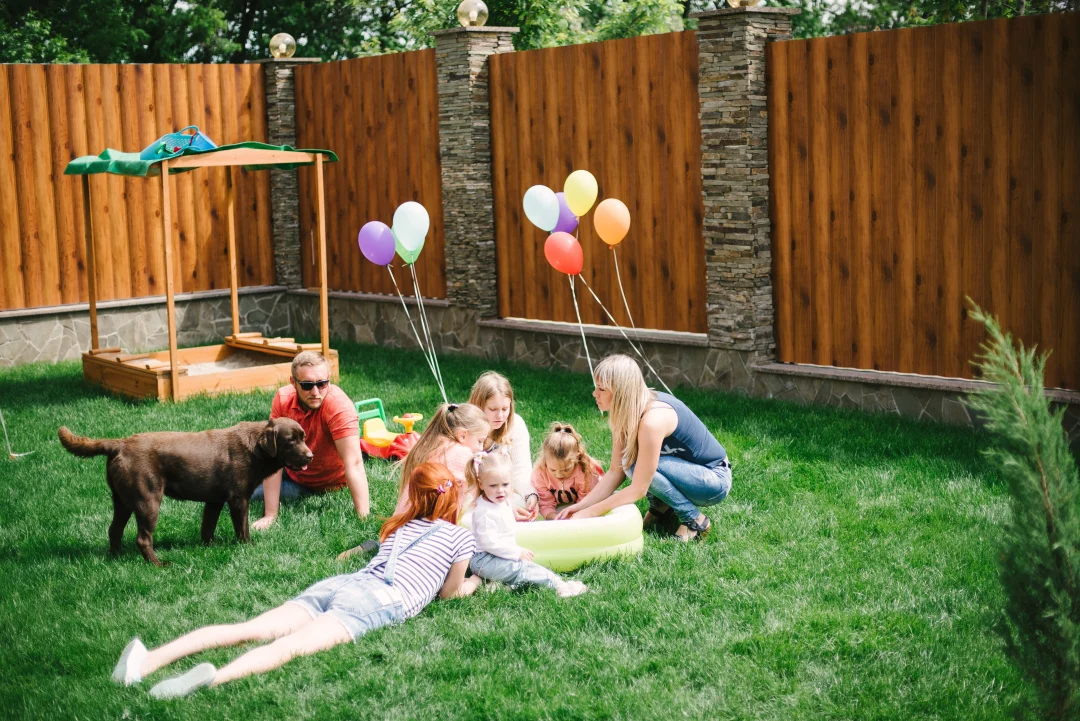
Designing a backyard that works for your family today is one thing. Designing one that continues to work as your kids grow is a smarter long-term investment. A well-planned outdoor space can evolve from a toddler-safe play zone into a teen hangout and eventually a place for entertaining guests, all without requiring a full redesign every few years.
The key is flexibility. Instead of building a backyard around a single phase of life, think in terms of adaptable zones, durable materials, and features that serve multiple purposes. Here’s how to create a family-friendly backyard layout that truly grows with your kids.
Start With Multi-Zone Planning
The biggest mistake homeowners make is treating the backyard as one open space without structure. A better approach is to divide it into functional zones that can shift over time.
At a minimum, consider three core areas:
- Play zone for kids
- Relaxation zone for adults
- Entertainment zone for gatherings
For younger children, the play zone might include soft grass, a sandbox, or a small slide. As they grow, that same space can transform into a sports area, a fire pit lounge, or even an outdoor workspace.
Zoning doesn’t require major construction. You can define spaces using landscaping, pavers, decking, or even furniture placement.
Design a Safe and Flexible Play Area
When kids are young, safety is everything. Soft surfaces, clear sightlines, and enclosed boundaries matter more than aesthetics.
Use materials like:
- Artificial turf or well-maintained grass
- Rubber mulch or foam padding under play equipment
- Rounded edges on furniture and structures
Instead of installing permanent bulky playsets, consider modular or movable options. This makes it easier to upgrade or remove features as your kids outgrow them.
As children enter their teenage years, this area can easily evolve into:
- A basketball half-court
- An outdoor gym space
- A chill zone with seating and shade
The idea is to avoid locking yourself into a single-purpose design.
Create a Relaxation Zone for Adults
Parents need their own space too. A backyard should not feel like a playground only.
Dedicate an area for relaxation with features like:
- Comfortable outdoor seating
- Pergolas or shade sails
- Low-maintenance greenery
Position this zone where you still have a clear view of the play area. This way, you can supervise younger kids without sacrificing comfort.
As your kids grow older, this space naturally becomes more central to how the backyard is used. It transitions from a supervision spot to a place for morning coffee, reading, or evening unwinding.
Add an Entertainment Hub That Evolves
A family-friendly backyard should also support social life. This is where an entertainment zone comes in.
Start simple with:
- A dining table and chairs
- A grill or small outdoor kitchen
- String lighting for ambiance
Over time, you can expand this area with:
- Built-in seating
- Fire pits
- Outdoor bars or kitchens
This zone becomes more important as kids turn into teens who want to invite friends over. It also supports family gatherings, making your backyard a central part of your lifestyle.
Think Long-Term With Water Features
Water features are one of the most versatile additions you can make to a backyard. For young kids, shallow splash areas or small fountains can be enough. But as the family grows, a full pool becomes a major asset.
What many homeowners don’t realize is that experienced top rated pool companies often help design entire backyard layouts, not just the pool itself. They consider traffic flow, safety, seating areas, and how the space will function for both kids and adults.
A well-planned pool area can include:
- Shallow ledges for younger children
- Deeper sections for teens and adults
- Surrounding seating for relaxation and supervision
Done right, it becomes the centerpiece of your backyard for years to come.
Use Durable, Low-Maintenance Materials
Kids are tough on outdoor spaces. Toys get dragged around, balls hit surfaces, and spills are inevitable.
Choose materials that can handle wear and tear:
- Composite decking instead of wood
- Concrete or stone pavers instead of delicate tiles
- Weather-resistant furniture
Low-maintenance doesn’t just save time, it ensures your backyard continues to look good as your family grows and activity levels increase.
Plan for Storage Early
One overlooked detail is storage. Without it, even the best-designed backyard can quickly become cluttered.
Include smart storage solutions like:
- Built-in benches with hidden compartments
- Outdoor sheds
- Deck boxes for toys and cushions
For younger kids, this keeps toys organized. As they grow, the same storage can hold sports gear, outdoor equipment, or entertainment supplies.
Incorporate Shade and Weather Protection
A backyard should be usable in different seasons and weather conditions.
Add shade elements such as:
- Pergolas
- Umbrellas
- Retractable awnings
These features protect young children from direct sun and make the space comfortable for adults. Later, they help maintain usability during gatherings or long outdoor sessions.
Weather protection extends your backyard’s lifespan as a functional space, not just something used occasionally.
Leave Room for Change
One of the smartest design decisions you can make is to not overbuild.
Avoid filling every inch of your backyard with permanent structures. Leave some open space that can adapt over time.
For example:
- A grassy area today can become a deck later
- A simple patio can expand into a full outdoor kitchen
- A play zone can transform into a lounge area
Families change quickly. Your backyard should be able to keep up without requiring a complete overhaul.
Balance Fun and Function
A successful family backyard blends fun with practicality. It should be a place where kids want to play, teens want to hang out, and adults want to relax.
Ask yourself:
- Can I easily supervise my kids from the seating area?
- Is there enough space for both play and relaxation?
- Can this layout still work 5–10 years from now?
If the answer is yes, you’re on the right track.
Final Thoughts
A backyard isn’t just extra space. It’s an extension of your home and your lifestyle. Designing it with your family’s future in mind is what separates a good layout from a great one.
Focus on flexibility, durability, and smart zoning. Think beyond your kids’ current age and imagine how they’ll use the space in the years ahead.
When done right, your backyard won’t just grow with your kids, it will become one of the most valuable and enjoyable parts of your home.
Read More: Fraboc: How to Use This Method for Smarter Decisions