
Parents don’t usually arrive at a chiropractor’s office by design. Most get there after a string of small frustrations: a child who sleeps restlessly, a teenager with chronic neck tension from sports and screens, or a toddler who just never seems fully comfortable.
Pediatric chiropractic care has emerged as a conservative option for families who want a gentle, non-invasive starting point before moving toward more significant interventions. The most common framing from parents isn’t dramatic: “I’m not trying to cure everything. I just want my child moving and resting better.” That’s an appropriate expectation, and it’s the right one to bring to an initial visit.
A Straightforward Position: Pediatric Chiropractic Isn’t for Everyone
If a chiropractor is marketing “immune system upgrades” or claiming to treat autism, ADHD, allergies, ear infections, and anxiety through routine spinal adjustments, that’s a red flag. Those claims fall outside the scope of conservative musculoskeletal care, and they’re not supported by the current evidence base.
When pediatric chiropractic is practiced well, within scope, with age-appropriate technique, and in coordination with a child’s broader medical care, it can be a reasonable component of managing straightforward movement-related complaints and supporting overall pediatric wellness. The key phrase is within scope.
Good pediatric chiropractic looks unremarkable on paper. That’s a feature, not a flaw.
What It Is, and What It Isn’t
Pediatric chiropractic focuses on mechanical function: spine, joints, muscles, movement patterns, and how those influence comfort and daily activity. When providers use “nervous system” language, they’re typically referencing how joint mechanics and muscle tone affect sensorimotor input and movement efficiency, not claiming to manage complex neurological disease.
What it commonly includes:
- Posture and gait observation (how a child stands, runs, sits, and compensates)
- Range-of-motion testing and basic orthopedic screens
- Gentle manual work: mobilization, soft-tissue techniques, low-force adjustments
- Home guidance: activity modifications, backpack fit, desk ergonomics, sports recovery
What it isn’t:
- A substitute for pediatric medicine
- A universal solution for every childhood symptom
- A reason to defer imaging, labs, or specialist referral when clinical red flags appear
A thorough intake that covers medical history, birth history, current medications, and any neurological symptoms isn’t optional, it’s the minimum standard.
Safety and Evidence: The Honest Conversation
Safety
The available literature describes mild, short-lived effects as the most common adverse events in pediatric manual therapy, soreness, temporary irritability, brief fatigue. Serious adverse events are described as rare, particularly when technique is appropriately modified for age and the clinician has relevant training and sound referral judgment.
A 2015 review published in Chiropractic & Manual Therapies (Todd et al.) examined adverse events in pediatric manual therapy and found that most reported events were mild, while serious events were rare. The authors noted important limitations in reporting quality and called for better surveillance systems, an honest caveat worth keeping in mind when interpreting the data.
The critical variable isn’t “chiropractic” in the abstract. It’s the quality of the assessment, the appropriateness of the technique for the child’s age and presentation, and the clinician’s willingness to refer when something doesn’t fit a mechanical pattern.
High-velocity techniques applied to pediatric patients the same way they’d be applied to an adult are not appropriate. That standard should be non-negotiable.
Evidence
The clearest evidence base for pediatric chiropractic clusters around musculoskeletal complaints: neck and back pain, sports-related strains, movement restrictions, postural overload, and some headache patterns associated with cervical and upper thoracic dysfunction.
For conditions like infant colic, studies exist but results are mixed. Natural resolution over time makes it difficult to isolate treatment effect from spontaneous improvement. When a provider implies strong evidence for broad non-musculoskeletal outcomes, clinical optimism has outpaced the data.
Families who tend to have the most realistic and positive experiences come in with appropriately scoped goals: move easier, hurt less, sleep better, recover from activity faster. Those are the outcomes where the evidence is most supportive.
What “Gentle Techniques” Actually Means
With pediatric patients, force is rarely the objective. Precision and appropriateness are.
Pediatric-appropriate techniques often involve:
- Light fingertip contacts
- Instrument-assisted adjusting designed for minimal force input
- Slow, guided mobilizations, not high-velocity thrusts
- Soft-tissue work to reduce guarding and restore normal resting tone
The clinical goal is typically to reduce joint restriction and muscle guarding that keeps a child in a protective movement pattern. This matters because children adapt quickly. If a compensation pattern persists for weeks, it can become the child’s functional “normal”, leading to the consistently elevated shoulder, the chronically forward head position, or the hip that never fully extends in gait.
Do adjustments influence the nervous system? Indirectly, joint motion and mechanoreceptor input do affect sensorimotor processing. That’s a meaningful, defensible claim. It’s also meaningfully different from claims about rewiring neurological development.
Common Presentations in Pediatric Chiropractic Practice
Many visits are routine. The everyday presentations are:
- Recurrent neck discomfort, often linked to a combination of sports loading and device use
- Headaches that track with posture and cervical muscle tension
- Growing pains alongside reduced mobility (ankles and hips are frequent culprits)
- Minor injuries that never fully resolved
- Supportive care alongside scoliosis monitoring, not treatment of the curve itself, but addressing the compensatory tension and movement restrictions around it
Sleep concerns come up as well. When physical discomfort is contributing to disrupted sleep, reducing that discomfort can help. When sleep problems are primarily behavioral, respiratory, neurological, or anxiety-driven, manual therapy is at best a supporting player, not a central intervention.
Common Myths Worth Addressing
“Kids don’t need chiropractors because they’re naturally flexible.”
Flexibility and joint mechanics are different things. A hypermobile child can be extremely flexible while still having irritated tissues and poor neuromuscular control.
“Every visit involves cracking sounds.”
Many pediatric sessions bear little resemblance to adult adjustments. Low-force techniques are standard.
“Chiropractic is inherently dangerous for children.”
Blanket statements in either direction aren’t useful. Risk is a function of technique selection, clinical screening, and the provider’s judgment, not the profession as a category.
“Aligning the spine can treat almost anything.”
This is the most problematic myth in the field. It invites scope creep, poor clinical decision-making, and delays in appropriate care.
Red Flags That Warrant Prompt Medical Evaluation
Some symptoms are expected parts of normal growth. Persistent dysfunction is not. These presentations should prompt evaluation, typically starting with a pediatrician:
- Pain that consistently wakes a child at night
- Unexplained weight loss, fever, or fatigue accompanying musculoskeletal pain
- Numbness, new weakness, clumsiness, or coordination changes
- Headaches with vomiting, visual disturbance, or neurological symptoms
- Regression, a child losing skills they previously had
Chiropractic can be supportive care within a broader plan. It is not a filter for clinical red flags.
How It Should Fit With Medical Care
The most functional model is collaborative.
A chiropractor working appropriately within a pediatric care context will:
- Seek permission to coordinate with the pediatrician when relevant
- Refer promptly when symptoms don’t match a mechanical pattern
- Document progress in functional terms: pain levels, range of motion, sleep hours, sports tolerance
- Re-evaluate the plan after a defined number of visits rather than scheduling indefinitely
When chiropractic stays in the lane of conservative neuromusculoskeletal care, collaboration with medicine is straightforward. When it claims to manage systemic disease, that collaboration breaks down, and rightly so.
Realistic Outcomes Families Report
Sleep: When physical discomfort or tension is part of why a child is restless, addressing those mechanics can improve sleep quality. Children with cervical or rib restrictions sometimes settle more easily once those irritations calm down. Sleep problems driven by apnea, restless legs, anxiety, or behavioral patterns require different interventions.
Mobility: Often the clearest and most consistent outcome. Reduced stiffness, better movement quality in sport, fewer complaints of tightness after practice.
Behavior: The most variable category. When children are more comfortable and sleeping better, some parents report they seem calmer and more regulated. That’s a plausible downstream effect of reduced pain and improved rest. It is not a direct treatment effect on behavior, and no single-cause narrative should be attached to it.
How to Choose a Pediatric Chiropractor You Can Trust
Ask questions that require specific answers:
- What pediatric-specific training do you have beyond your base licensure?
- What techniques will you use for my child’s age and presentation?
- Under what circumstances would you refer us out?
- How will you measure progress, and when should we expect to see some signal?
- What happens if there’s no meaningful change after four to six visits?
Pay attention to how the clinic operates. Pressure to commit to a long prepaid treatment plan before anyone has examined your child is a meaningful signal about how that practice is run.
What a Visit Typically Looks Like
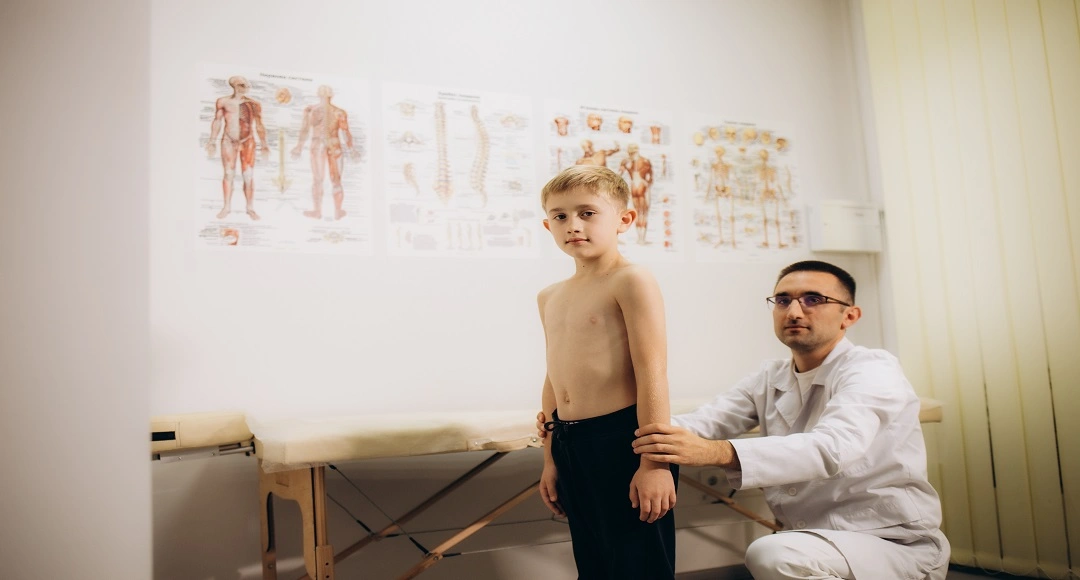
Most pediatric visits are low-key: a health history, movement and posture screens, a gentle hands-on assessment, and either light treatment or a referral. The best visits are education-heavy, what to change at home, what to avoid temporarily, and what progress should actually look like.
Sometimes the practical takeaway is soft-tissue work, a minor mobilization, and a recommendation to stop doing homework sideways on a couch.
That’s not flashy. It’s also what appropriate conservative care looks like.
Pediatric chiropractic’s growth reflects a genuine demand: parents want measured, non-invasive options with clear scope and honest expectations. When the care is evidence-aware, appropriately humble, and coordinated with a child’s medical team, it can be a useful part of a broader wellness plan. When it positions itself as a cure for everything, it stops being healthcare and starts being a problem.
Read More: Koriandri: Amazing Health Benefits, Recipes, and How to Use It