For years, people have been looking for their roots in dusty files. Now, however, the answer to their search lies in a small kit holding saliva. The process that used to be done using documents has now become digital. As such, the way we see ourselves and our origins has changed. Although the information is technical, the significance is very much personal.
In this article, we’ve discussed how taking a DNA test affects our sense of identity, health, and heritage.
The Science of the “Self”: Decoding the Biological Mirror
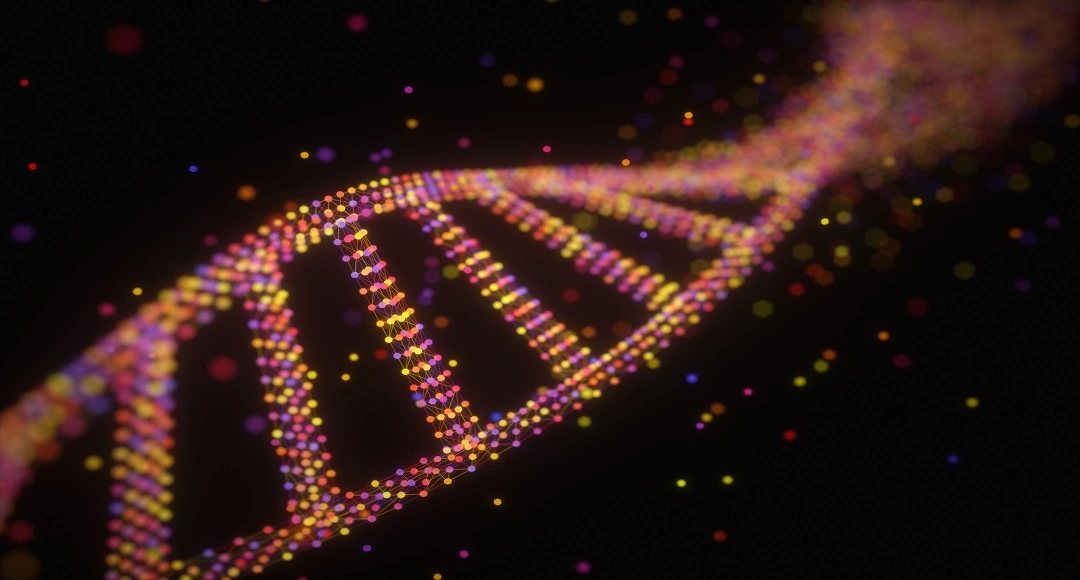
The human genome is a vast library of three billion pairs of letters. Most of this code is identical across the human race. However, tiny variations make every individual unique.
The Mechanics of Genetic Variation
At the heart of this technology are single-nucleotide polymorphisms (SNPs). They represent the most frequent type of genetic variation among people. Each SNP indicates a difference in a single DNA building block. These variations occur throughout the genome. They act as biological markers. These markers assist researchers in finding which genes are responsible for specific disorders. When you give a sample, these markers are tested to determine whether your genes differ from the rest of the world.
Reference Populations and Data Matching
Labs rely on massive databases. These databases contain genetic information from people across the globe. These genetic groups are known as reference populations. When your sample is processed, the software compares your markers against these groups. Perhaps your markers match a set from a northern European group. The system flags that connection immediately. It is a process of high-stakes pattern recognition. The accuracy of your results depends on the database size. Diverse reference sets lead to better precision.
Exploring Heritage and Ancestry
Finding one’s roots is another common motive for acquiring genetic information. It allows you to connect with others beyond political boundaries. Individuals frequently discover that their family histories are incomplete.
Beyond the Family Tree
Many years ago, mankind migrated out of Africa. They eventually settled in different climatic zones around the world. The outcome of all this is an everlasting impact on our genes. What’s amazing is that there are footprints left by your ancestry in your genes. Modern genetic tests can trace your ancestry back to where your forebears lived. You can follow their routes from one continent to another, including across large distances. Seeing these migration patterns links us to the broader story of human survival.
Connecting with Living Relatives
The experience of using DNA test services often leads to reunions. Most platforms maintain databases that alert you to matches. These matches range from distant cousins to immediate siblings. For adoptees, this feature provides access to previously unavailable answers. These connections can turn strangers into family overnight. However, they require emotional readiness from everyone involved. Knowledge of a new relative changes your family narrative forever.
Distinguishing Biology from Culture
It is important to remember that genes are not culture. A test might show a high percentage of Irish heritage. This does not mean you grew up with Irish traditions. Identity is a blend of blood and upbringing. Science can pinpoint your geographical origins. It cannot dictate your personal sense of self. Many people use their results as a starting point. They explore new cultures they never knew were part of their history.
Health Insights and Physical Traits
In addition to physical attributes, our genes give us valuable information about our health. Knowing about our predispositions is useful in making decisions. Customized health care allows people more autonomy regarding their health.
Identifying Medical Predispositions
There are particular genes that predispose individuals to developing specific conditions. Such include the BRCA genes that have been identified as predictors of breast and ovarian cancers. The possession of such markers does not guarantee the development of the disease, but gives you room for action. You can pursue increased screening and preventive measures. This knowledge can be heavy to carry. Yet, it remains a powerful tool for longevity.
Daily Lifestyle Traits and Insights
Not all genetic data involves serious disease. Much of it relates to daily body functions. Your DNA can influence caffeine metabolism. It also determines if you are a “morning person.” Some people discover a predisposition for low vitamin levels. Others find specific taste sensitivities. With this knowledge comes a new “bio-individual” approach to health and wellbeing. This lets you adapt behavior to your needs instead of generic health tips.
Managing Ethical and Emotional Challenges
Having one’s DNA decoded is very personal and has significant implications. Once done, this process is irreversible. Again, you will learn not only about yourself but also potentially about relatives. This creates complex questions around privacy and consent.
Privacy and Data Ownership
If you upload your genetic data, then you place your trust in a firm. Sharing one’s most personal data does bring up some valid fears about what might happen to it. Some worry that insurance companies might increase premiums based on the risks revealed. Others feel that law enforcement could find people via their genetic relatives. These concerns make it essential to understand how testing services store and share your genetic data.
Unexpected Discoveries
Unfortunately, there are those discoveries that may lead to family breakdowns. Genetic testing usually uncovers hidden adoptions. Such discoveries could present emotional or identity problems for one. It will be disturbing to know that your father isn’t your biological parent. One should accept the news without prejudice. Understand that the truth may contradict what you already know. Genetic honesty can be disruptive to established family trees.
Avoiding Genetic Determinism
There is a common misconception about our genes; DNA testing is destiny. In reality, genetic outcomes are rarely that simple. While using DNA test results can show a tendency, environment matters. Lifestyle choices also play a major role in long-term outcomes.
For instance, you can have marathon runner genes but never run because of a lack of training. Similarly, you could reduce your chances of suffering from heart disease through the kind of food that you consume.
Conclusion
Using DNA test kits has permanently changed the landscape of personal identity. While the code provides the structure, our choices provide the color. It’s upon you to create your narrative based on personal experiences and decisions. DNA information can be employed to help make well-informed choices. Just remember that your personality creates who you are more than any lab results ever will.
Read More: Koriandri: Amazing Health Benefits, Recipes, and How to Use It