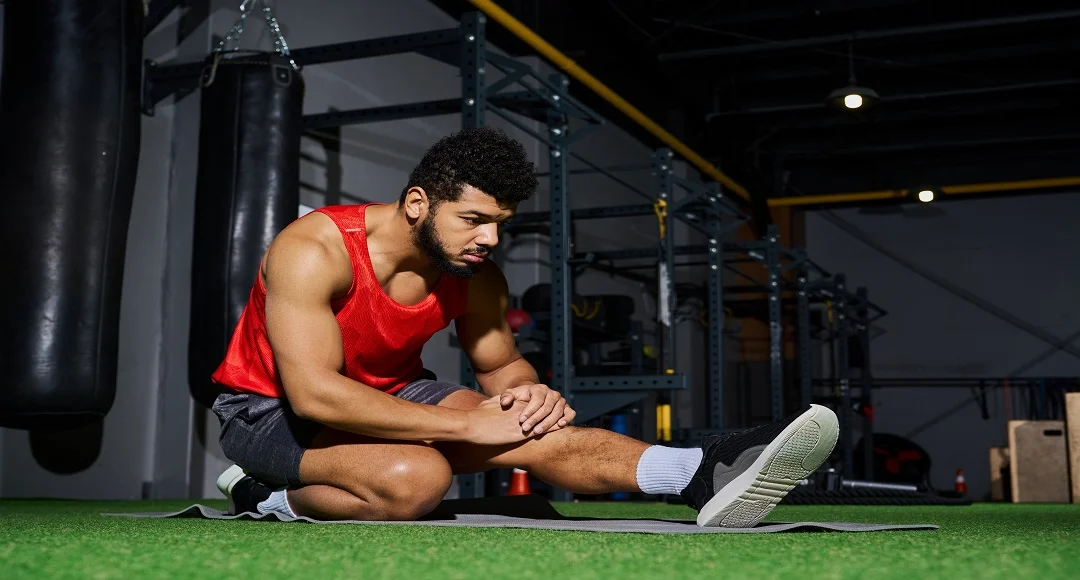
When we are sore and tight, or fatigued it can become difficult to stay on top of your training. Learning how rest, movement and massage are related can help active adults plan their recovery with a little more structure.
|A challenging exercise leaves the body feeling fit one day, and obviously sore the next. The discomfort experienced is a signal that one may seek a single recovery method to return the body and its movement back to normal in no time.
Recovery is rarely that simple. Sleep, hydration and nutrition all combine with the overall load and correct movement. There is also a place for massage, especially the goal of reducing soreness, muscular tension and subjective perception of recovery.
Why You Feel Sore After Training
Delayed-onset muscle soreness, or DOMS for short, often occurs following unaccustomed exercise and/as particularly activities involving a strong eccentric loading component (e.g. downhill running, controlled lowering during resistance training).
Although soreness could mean that a workout was more efficient, it should not be the primary indicator of how good training is. A better way is to observe body responses over time. Mild soreness which gets better is also different from sharp pain and severe swelling or symptoms that worsen with activity.
HealthLink BC, to build on activity frequency, effort and duration gradually; listening to the body by stopping with pain or extreme discomfort; and staying hydrated around exercise. These fundamental habits probably aren’t sexy, but they are the basis for building a robust recovery routine.
Recovery Is About Preparing for What Comes Next
Recovery for active adults is not merely about going to a cooler place after exercise. It is about preparing for the next session and not letting the fatigue and soreness get too far away from you.
That starts with the fundamentals. Sufficient sleep helps to maintain normal recovery processes. Hydration keeps your fluid balance right, and good nutrition ensures you have enough building blocks to replenish after training. The easy movement can also come in handy when you are not supposed to take complete rest. Sometimes a walk, some light mobility work or an easy day can help with keeping things moving without overloading the body and providing another hard training stimulus.
Simple: Plan recovery with an intention as you would for training. A person who consistently adds more to their workload while getting poor sleep and missing recovery days is not going to address the root cause with one wrench in hand.
Where Sports Massage May Fit
Massage is common in sport but there is a measured view of what massage can and cannot do. In fact, a systematic review and meta-analyses of the 29 studies to date have not provided evidence that massage directly increases strength, speed (sprint), endurance or power (jumping) performance. However, it discovered only minor improvements in flexibility and delayed-onset muscle soreness.
A subsequent systematic review also concluded that massage should not be considered primarily as a performance enhancer in an acute sense, but documented effects related to soreness, perceived fatigue and relaxation and perceived recovery.
For active adults exploring sports massage Abbotsford services, this distinction matters. Massage can be considered one component of a broader recovery routine when the goal is focused support for tight or overworked muscles, rather than a replacement for medical assessment, rehabilitation or sound training practices.
The Abbotsford service of Golden Thai Massage clearly describes itself as non-RMT, tension-focused therapy for comfort and active-not-diagnosing recovery. This kind of clarity makes it much easier to place this type of service in relation to a wider recovery plan.
Do Not Ignore Persistent Tightness or Reduced Mobility
It is common for post-workout aches to go away without attention, but those that recur should be addressed. Just as well, if the same region continues to be tight after similar sessions can either training volume/technique/mobility/progression issues be contributing.
Massage can temporarily enhance the experience or movement of an area. The effects of Sports massage have been a long standing area of research interest as indicated by the identifying affects on flexibility and in relation to the effects categorised within broader soft-tissue papers which report acute range of motion improvements.
The aim, however, should not be to achieve maximum flexibility for the sake of it. The movement should be comfortable and functional for the task at hand. Avoid chasing the temporary looseness after a workout and instead develop repeatable movement quality through specific training that would allow great performance in balanced and functional programs — be a better runner, lifter or recreational athlete.
Know When Soreness May Be Something More
When it comes to post-training joint pain not all of it should be considered average soreness.
According to HealthLink BC, muscle strains can come with pain and tenderness worse when using the muscle, swelling bruising and restricted movement. Moderate strains can either involve significant loss of function or be associated with measurable deformity.
Those involve sharp or sudden pain with significant swelling, loss of function or symptoms that keep getting worse. In these cases, sticking with the problem and working through it or attempting to massage it away repeatedly may prevent adequate analysis.
Being responsible in the recovery process includes knowing when to rest, reduce activity or seek a professional health services.
Additional Resources
In a related recovery-planning context, active adults curious to know how exactly will the schedule of practice or games—or if there even exists a satisfactory block of time in your day dedicated strictly to training—fit around massage can read this post on post workout massage.
Build Recovery Into the Training Plan
Relying on one best recovery technique is not a smarter routine. It’s to sequence the training, sleep, hydration, nutrition and movement. Hence massage is an adjunct when feelings of soreness, muscle tightness or proclaimed fatigue are a factor.
Be more sustainable and treat recovery as an aspect of training and not something that kicks in when the body starts to feel pain.
Read More: What Does Tea Mean Slang: Definition, Origins & Examples