
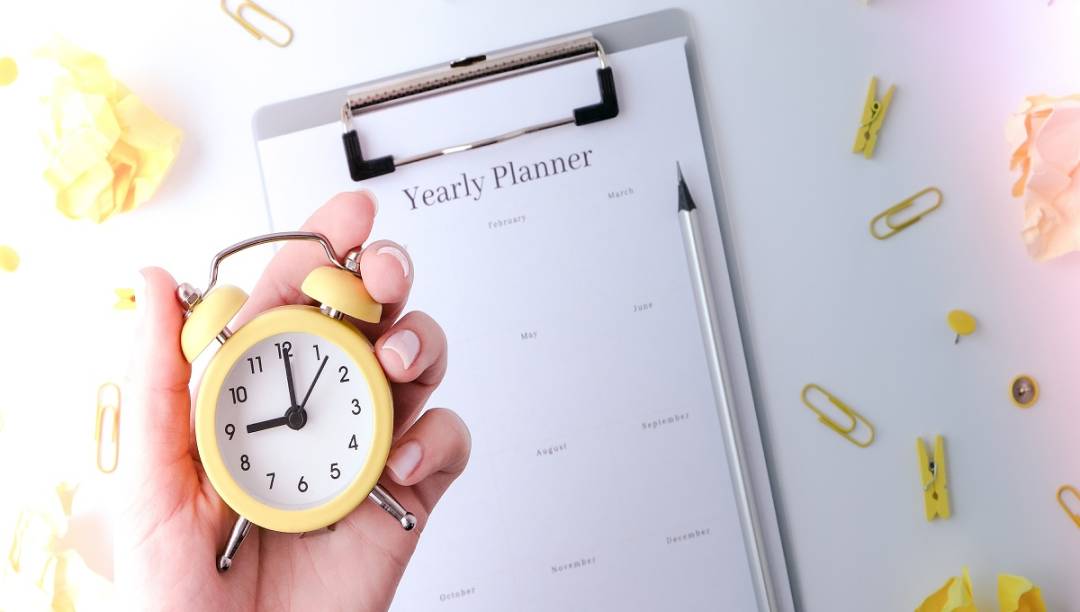
People underestimate how a long project slowly builds pressure. It starts with a single idea, then turns into tasks, deadlines, and scattered notes that grow heavier with time. The stress rarely arrives all at once. It creeps in when someone looks up and realizes the months ahead feel crowded.
The people who handle long timelines well tend to make an early start, sometimes before the work even feels real. That early movement gives them room to shape the year instead of being pushed by it. Tools like Planners for 2026 help them get the bigger picture on paper so they can move through the months with a clearer head.
Early Planning Shrinks the Fear Behind Big Goals
A long project often looks intimidating because the mind sees it as one oversized block. Without a plan, the whole thing feels too large to touch. Starting early breaks that illusion. People begin outlining the first few steps, then the next handful. The project stops being a single weight and turns into a set of parts they can understand. Once they see the first layer, their nerves settle. Early clarity acts like a light in a dim room. The edges become visible, and the work feels less threatening.
Early Planning Prevents the Rush That Derails Good Work
Rushing rarely results in calm decisions. Many people discover this the hard way near the end of a project. Tasks that once felt doable suddenly need double the energy because they were pushed too close together. When planning begins early, the pace slows. Work spreads out instead of stacking up. Small tasks fit into spare corners of the week, and the larger ones get breathing room.
This slower build makes the timeline feel friendlier. People stop bracing for impact and follow the natural pace they set months earlier.
Early Planning Leaves Room for the Unexpected
No long project moves in a straight line. Families get busier. Work shifts. Illness interrupts routines. Without early planning, these surprises hit harder because there is no space to absorb them. People who begin early create small pockets of slack throughout the year. These pockets act like cushions. If one month runs off course, the next month doesn’t collapse with it.
This buffer turns out to be one of the strongest advantages of early planning. It quietly protects the entire timeline without drawing attention to itself.
Early Planning Lets People Pair Tasks With the Right Energy
Some days feel sharp and focused. Others drag. Long projects suffer when tasks land on the wrong kind of day. People who start early learn to match tasks with the energy they naturally bring to different times of the year. Heavy thinking fits into calmer seasons. Lighter tasks move into the busy months. Planning becomes a conversation with their own patterns instead of a fight against them.
Below is a simple breakdown many early planners use when shaping their year:
- Months where life is predictable
- Months with heavy personal or family demands
- Months that support deeper focus
- Months better suited to maintenance work
This structure keeps the project from colliding with the wrong season.
Early Planning Builds Confidence Instead of Pressure
Confidence arrives quietly. Not in bold decisions, but in knowing that the next small step is already laid out. Early planners feel that difference most. They can look at the year ahead without the dread that often follows long commitments. Their plan doesn’t guarantee the absence of stress, but it shrinks the emotional load. Each month feels manageable.
Each task has a place. That sense of order keeps them moving steadily instead of sprinting at the end.
How Early Planning Changes the Emotional Weight of a Long Project
A long timeline can feel like a shadow in the background of someone’s life. Without structure, it grows heavier as time passes. Early planning flips that experience. It gives the project shape and motion long before the work becomes dense. People stop worrying about how much time is left and focus instead on what fits into their week.
This approach turns long commitments into something steady rather than overwhelming. It creates calm where there could have been chaos. Over months, that calm becomes the reason the project stays on track. Early planning doesn’t make the year shorter. It simply makes the journey feel possible.
Read More: Protocolo Operacional Padrao: Advance Key Of Efficiency & Power