
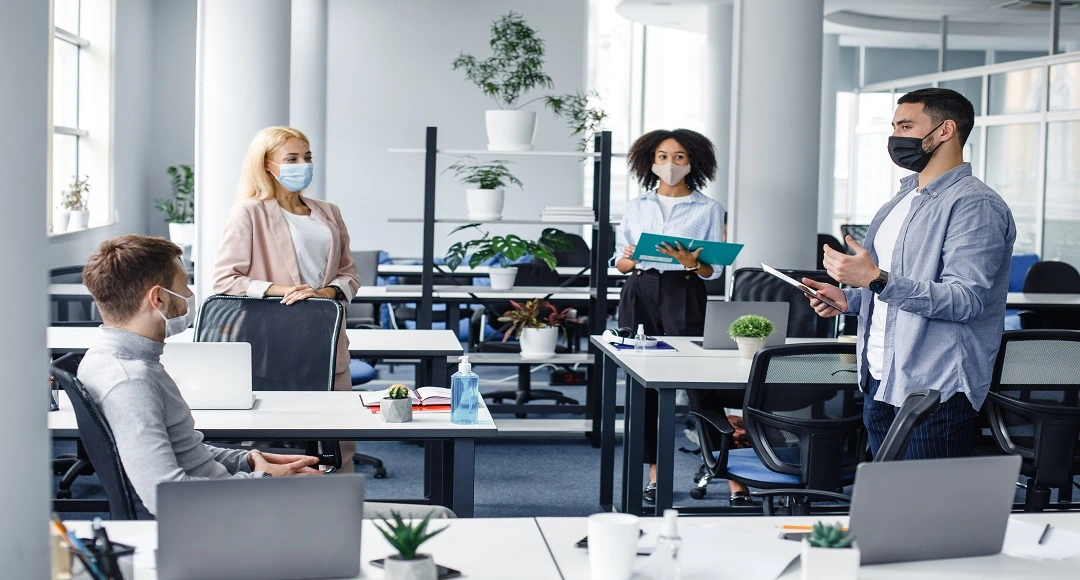
You may think safety at work means hard hats and exit signs. But safety runs deeper than that. It influences how you think, speak, and perform each day. When you feel unsafe, even in small ways, your focus shifts.
You spend energy protecting yourself instead of doing your best work. Real workplace safety has two parts: the physical and the psychological. The former protects your body, while the latter protects your voice and confidence. Both influence decision-making, risk-handling, and how teams respond under pressure.
When either form of safety is weak, performance suffers quietly. When both are strong, work feels steady and focused. Businesses that understand this gain a quiet but strong advantage, which begins with physical safety.
Physical Safety Can Help Reduce Cognitive Load
If you feel physically unsafe at work, your body reacts first, and your mind follows. You scan for risks rather than solving problems. Clear responsibility reduces that uncertainty. Empower Work states that employers are legally responsible for maintaining safe workplaces.
The Occupational Safety and Health Act requires compliance with OSHA standards, while smaller companies may assign this duty to managers or supervisors. Workers can escalate concerns internally or report violations externally if safety rules are ignored. However, when these roles or rules feel unclear, anxiety grows. You carry that stress all day. It lowers attention and slows decisions.
Forward-thinking companies reduce this uncertainty by focusing on preventing incidents rather than reacting to them. In busy or high-traffic settings, firms rely on perimeter detection tools such as OPENGATE AWDS to identify risks early.
Early detection reduces sudden threat exposure. GXC Inc. reveals that these groundbreaking weapon detection systems allow people to pass at a normal pace. Individuals don’t need to remove bags or personal items, which prevents the frantic stop-and-start of traditional checkpoints. This approach builds predictability.
When your environment feels secure, your brain stops scanning for danger and focuses on the work that matters.
Why Silence at Work Creates Hidden Risk
You also need emotional safety. Without it, you stay quiet when you should speak. At its core, this is what psychological safety means. Harvard Business School Online outlines four elements of psychological safety.
You feel included and respected, and you can learn and ask questions without shame. Likewise, you feel safe contributing ideas, and you can challenge decisions without fear of punishment. This kind of safety supports learning, creativity, and healthy risk-taking in teams.
But this safety is uneven. Harvard Business Review reports that middle managers experience the lowest psychological safety in organizations. They often absorb pressure from senior leaders while managing team expectations. Many feel isolated, lack structural support, and hesitate to escalate concerns, even when risks are clear.
This imbalance creates a dangerous gap. Problems remain buried between layers of leadership, while small issues grow because no one wants to appear difficult. When you cannot speak without fear, you protect yourself first. Then, innovation slows and risk awareness drops.
Silence may look calm, but it hides tension that weakens the whole system. This tension often moves beyond emotion and affects daily operations.
When Emotional Fear Becomes Physical Danger
You may not link emotional safety to physical harm, but the two are connected. This link is now clearly documented. The British Safety Council warns that weak psychological safety can undermine formal safety systems.
When employees feel unable to question decisions or challenge unsafe practices, risk reporting declines. The Council stressed that leadership behavior shapes whether staff report near misses, procedural gaps, or equipment failures. It also emphasized that organizations with open reporting cultures detect hazards earlier and correct unsafe conditions faster.
Silence around small incidents increases exposure to larger, preventable accidents, which carry real consequences. Safety systems depend on honest reporting. If you feel judged or ignored, you hold back. Even small hazards persist longer. Over time, this builds into a serious risk.
Organizations that combine emotional openness with safety procedures see better compliance. Workers report issues sooner, and supervisors respond faster. If you want fewer incidents, you must reduce fear. Policies alone don’t fix the issue. You need a culture where raising a concern feels normal, not risky.
Smart Companies Treat Safety as Strategy
Many believe that safety is only an expense, but data shows a different story. Market data reinforces this shift. Zion Market Research states that the global workplace safety market was valued at about $15.5 billion in 2023. It is projected to surpass $39 billion by 2032.
The report cites increased worker safety concerns, rising regulatory pressure, and growing adoption of advanced monitoring technologies as key growth drivers. Yet this growth in spending reflects a deeper problem. Serious workplace harm continues despite investment. The AFL-CIO’s Death on the Job 2025 report states that in 2023, 5,283 workers died on the job.
Additionally, over 135,300 workers succumbed to occupational diseases. Black and Latino workers face higher fatality rates than other groups. The report also highlights ongoing gaps in enforcement and accountability across industries. Workplace hazards continue to cause preventable deaths despite existing safety laws.
When you ignore safety, the human and financial costs grow. Legal exposure increases, turnover rises, and trust fades. When you invest early, you protect both people and performance. You lower disruption. You show employees that their well-being matters. That trust strengthens loyalty and output.
People Also Ask
1. What is the difference between physical safety and psychological safety at work?
Physical safety protects you from injury, unsafe equipment, or harmful exposure. Psychological safety protects you from fear of ridicule, punishment, or retaliation. One guards your body. The other protects your voice. Strong workplaces invest in both because they shape behavior, trust, and long-term performance.
2. What are the most visible signs of a psychologically safe workplace?
When people feel psychologically safe, they are open to sharing diverse opinions and admitting mistakes without fear of retaliation. In these environments, people actively listen to others, and curiosity replaces blame during setbacks. Feedback is viewed as a vital growth tool rather than a personal attack, making everyone feel valued and respected.
3. How can leaders improve safety culture in the workplace?
Leaders improve safety culture by modeling transparency and accountability. Admit mistakes openly, and respond quickly to reported concerns. Set clear reporting channels and follow through on fixes. When employees see action, not silence, trust grows. Consistency from leadership makes safety part of everyday behavior.
Safety shapes how you work each day. Physical safety removes fear of harm. Psychological safety removes fear of humiliation. When you feel secure in both ways, your mind clears.
You then share ideas, admit your mistakes, and focus fully on your role. Businesses that build both forms of safety prevent accidents and create stable, confident teams. That stability becomes their hidden advantage.
Read More: Milyom: The Viral Term Taking Over Blogs & Social Media in 2026