
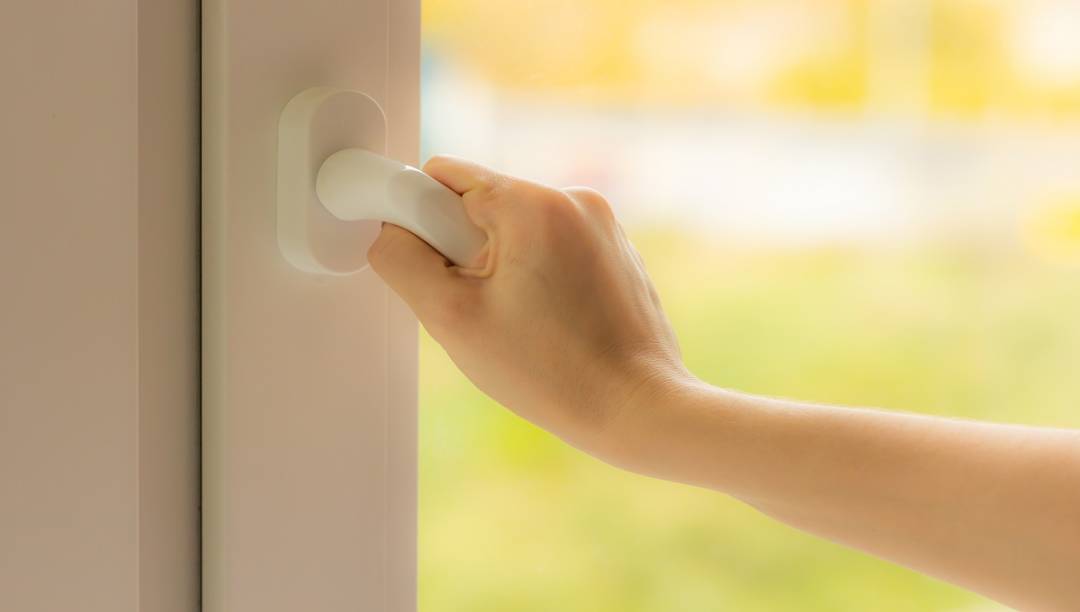
Your home should be a sanctuary a place where you and your family feel safe, secure, and protected. Yet, many households overlook simple safety measures that can prevent accidents, theft, and other emergencies. By taking proactive steps today, you can significantly reduce risks and enjoy peace of mind. Here are 10 simple ways to make your home safer.
1. Install Smoke and Carbon Monoxide Detectors
Smoke and carbon monoxide detectors are lifesaving devices. Make sure you have them installed on every level of your home, especially near bedrooms and the kitchen. Test them monthly and replace batteries at least once a year.
2. Secure Windows and Doors
Check that all doors and windows lock properly. Consider upgrading to reinforced locks or installing smart locks for added security. Sliding doors are particularly vulnerable, so use a rod or security bar to prevent forced entry.
3. Improve Outdoor Lighting
A well-lit exterior discourages intruders and reduces the risk of accidents. Motion-sensor lights near entryways, walkways, and driveways are effective and energy-efficient solutions.
4. Keep Walkways Clear
Cluttered paths can cause trips and falls. Ensure that all hallways, staircases, and outdoor walkways are free from obstacles, loose rugs, or uneven surfaces. Adding non-slip mats in bathrooms and kitchens is also helpful.
5. Install Handrails and Safety Gates
Sturdy handrails on stairs and safety gates for young children or pets can prevent dangerous falls. Make sure handrails are securely fastened and gates are installed according to manufacturer instructions.
6. Store Hazardous Materials Safely
Keep cleaning supplies, chemicals, and medicines out of reach of children. Consider using locked cabinets or high shelves. Label all hazardous materials clearly to avoid accidental ingestion or misuse.
7. Check Your Home’s Electrical System
Faulty wiring or overloaded outlets can lead to fires. Have a professional inspect your electrical system if you notice flickering lights, tripped breakers, or frayed cords. Simple fixes like using surge protectors and unplugging unused devices can also reduce risk.
8. Maintain Your Heating System
A well-maintained heating system prevents carbon monoxide leaks and fire hazards. Regularly service your furnace, and replace filters as recommended. If you live in Sandy, furnace repair professionals can ensure your system runs safely and efficiently.
9. Prepare for Emergencies
Keep a first-aid kit, flashlight, batteries, and emergency contact numbers accessible. Create a family emergency plan for fires, severe weather, or intrusions. Regular drills ensure everyone knows what to do in a crisis.
10. Use Technology to Stay Secure
Smart home devices like cameras, doorbell cameras, and alarms can provide extra layers of protection. Many allow remote monitoring, giving you peace of mind even when you’re away from home.
In Conclusion
Home safety doesn’t require major renovations or expensive upgrades. By implementing these 10 simple steps, you can protect your family, reduce the risk of accidents, and create a secure living environment. Small, consistent efforts go a long way toward keeping your home a safe haven.
Read More: Internetchocks: Why Your Connection Slows Down & How to Fix It