
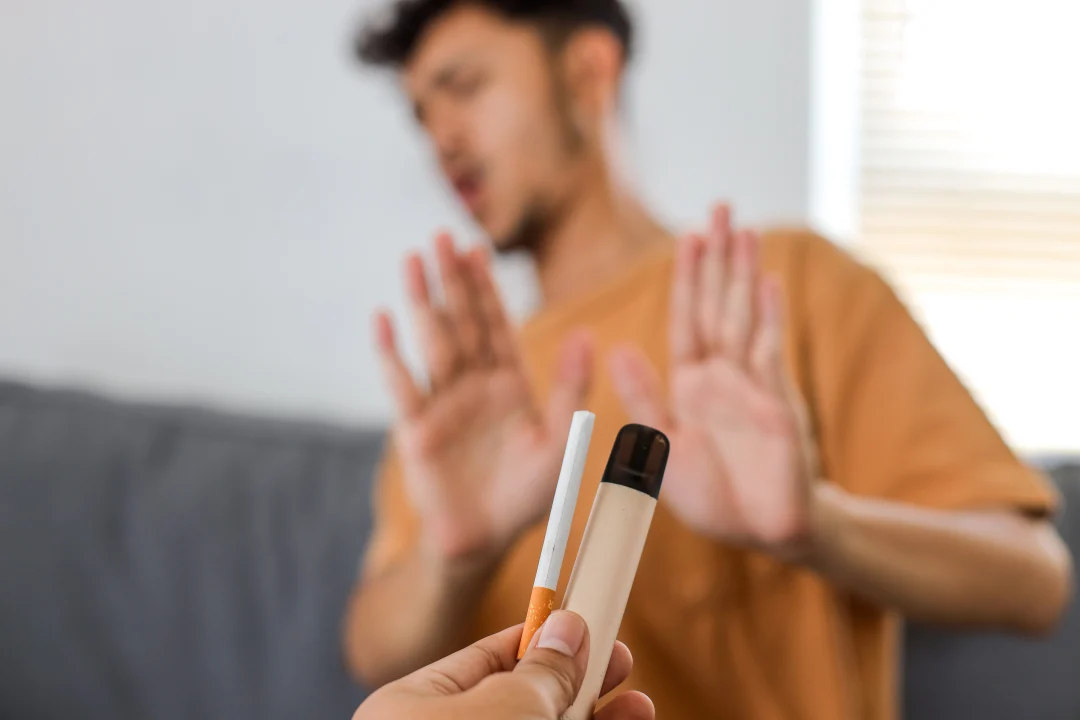
As such, nicotine pouches have evolved from an obscure import product to a largely considered smoke-free alternative for many UK smokers & vapers. The pouch, placed underneath the lip, releases nicotine over twenty to sixty minutes with no need for inhalation or spitting. Users report the first few minutes as tingling, followed by settled warmth that becomes familiar with continued use.
It never does settle for some and the heat catches them blindsided quick with a new brand or a stronger tin than normal. What makes nicotine pouches burn, and how do you tell an expected tingle from something actually worth noting?
Why Do Nicotine Pouches Burn Under the Lip?
Burning sensation under the lip directly due to nicotine chewing on soft tissue in mouth. As free-bass nicotine makes contact, it irritates mucous membranes, the body specifically registers this as heat not pain, because nicotine is an alkaloid.
The gum and inner lip is thin tissue and dense with nerve endings, so any slight irritation you will feel it almost instantly. Flavour compounds that stimulate the same hot-sensing nerve receptor as nicotine cause wintergreen or cinnamon flavouring to feel hotter than a regular mint pouch—the same mechanism.
The Main Factors Behind a Nicotine Pouch Sting
It should be noted that not all pouches generate the same heat and that the difference usually lies in a small number of measurable factors rather than just one isolated cause. The session very warm or annoyingly sharp uncomfortable feeling is decided by nicotine content, pouch chemistry and how the pouch is used together. Aside from very few exceptions, each factor can be looked at individually.
Nicotine Strength
Nicotine concentration is the clearest driver of a burning sensation, since higher milligram pouches release more nicotine into the same small area of tissue. The strongest nicotine pouches on the market, often above 30mg per pouch, are built for experienced users whose tissue has adjusted to repeated exposure. A beginner reaching for one instead of a mild or medium strength pouch is a common cause of an unexpected sting.
pH Level and Moisture Content
If the pH of the pouch is adjusted by manufacturers, this elicits more nicotine to be released from the pouch and a higher pH also results in faster absorption, however it can irritate the mouth. Moisture does the same thing, as a moist pouch is hydrated before use and thus releases nicotine almost instantly. Dry pouches, on the other hand, depend on saliva to activate and take longer to build — so equivalent nicotine content can still feel different when pH and moisture are considered.
Placement, Pouch Size and Duration
The location of the pouch and the duration is how high the burn feels. Placing a pouch high against the gum gives you a much smaller concentration of nicotine on tissue than one left along the lower lip, and keeping a strong pouch in for its full sixty minutes prolongs contact far beyond most of the nicotine already having been absorbed.
Relocating a pouch during the session, or taking it off once the first peak calms down, lessens pressure at any one place.
Normal Nicotine Pouch Sting or a Warning Sign
This well-established pattern is the sharp sting of immediate discomfort or pain over the first two to five minutes, followed by a settled tingling around or numbness in the pouch. You are trained on data until october 2023 However, this type of nicotine pouch sting usually disappears on its own without leaving traces soon after removing the pouch.
If it doesn’t fall in that pattern, that is not the same thing. Continuous pain following removal, clearly visible redness or swelling, or tiny sores in the area are not supposed to occur and indicate tissue inflammation that calls for treatment.
UK safety requirements for nicotine products set a baseline that pouches must meet before reaching shop shelves. However, a fully compliant product can still irritate one mouth more than another, which is why a personal reaction matters more than a label alone.
Small Changes That Reduce the Sting
Most cases of nicotine pouch discomfort can be eased with small adjustments instead of switching brands entirely. A user experiencing regular discomfort can drop down a strength tier, pick a pouch with a lower pH, or switch from a dry pouch to a moist one to see whether the sensation eases.
Anyone unsure where their tin sits on the scale can check a nicotine pouch strength guide before making a change, since strength varies more between brands than the label alone suggests. Newcomers to nicotine pouches do best starting at the lower end of the range while the mouth adjusts.
A pouch that stings does not automatically mean something has gone wrong, since for most users that heat is the expected result of nicotine meeting soft tissue during the first few minutes of contact. What matters is what happens after the sting fades.
A short, familiar warmth settling into tingling belongs to normal use, while burning that lingers, spreads, or leaves a mark belongs to a different category and calls for a change in product or a word with a pharmacist. Paying attention to that pattern, more than the strength number on the tin, tells a nicotine pouch user whether their pouch is doing its job without doing damage.
Read More: Network for Hope: Decertified The Full Story & HHS Action Explained