
Quick Summary
- Virgin plastic is made from freshly extracted fossil-based materials. Recycled plastic? It’s collected, cleaned, and given a second life.
- A lot of manufacturers still lean on virgin plastic because it’s consistent. You know what you’re getting every single time.
- The downside is that making virgin plastic is resource-heavy and leaves a bigger environmental footprint.
- Recycled materials keep plastic out of landfills and take some pressure off raw resource extraction. That’s a big deal.
- The right pick depends on your product specs, local regulations, how serious your sustainability targets are, and what your budget looks like.
- Many manufacturers are now blending both. Not a perfect solution, but a practical one.
Manufacturers today are caught between two very real pressures. On one side, customers, regulators, and investors want greener choices. On the other, production teams still need materials that hold up reliably, run after run.
That tension is exactly why the recycled vs. virgin plastic conversation keeps coming up.
Virgin plastic used to be the obvious default. Safe, predictable, done. Recycled material was what you reached for when it didn’t really matter. That’s changing. Sorting tech has gotten smarter, collection systems are better, and the recycling process itself has improved enough that the quality of recycled materials today is genuinely different from what it was a decade ago.
So let’s skip the question of which one “wins” and actually look at what each option offers and where each one belongs.
What’s the Difference, Really?
Virgin plastic is made directly from raw petrochemicals. Crude oil, natural gas. Because it’s never been through a previous use cycle, manufacturers know exactly what they’re working with. The composition is clean, and the behavior is predictable.
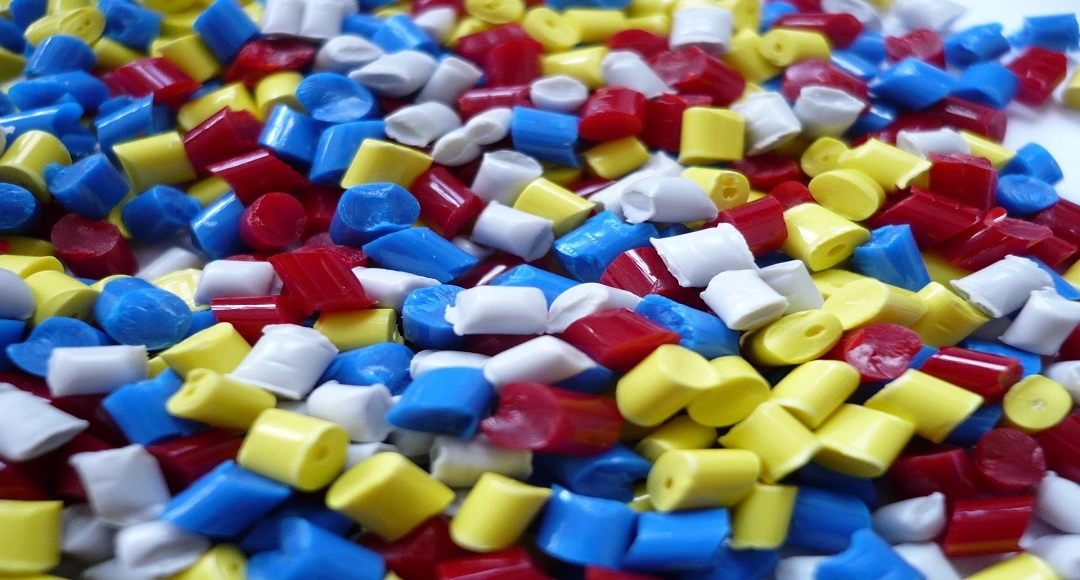
Recycled plastic takes a completely different route. It starts as old packaging, used containers, or other plastic waste that would’ve otherwise been thrown out. That waste gets collected, sorted, washed, and processed until it’s a usable raw material again. It’s often supplied as plastic granules, which makes it easy to feed into existing production lines without overhauling the whole setup.
The core difference is pretty straightforward. Virgin plastic needs new resources pulled from the ground. Recycled plastic stretches the life of materials that already exist.
Performance and Consistency
Consistency is the main reason manufacturers don’t just switch wholesale to recycled material.
Virgin plastic is made under tightly controlled conditions. Every batch behaves the same. Mechanical properties, appearance, and how it moves through processing equipment. All predictable. If you’re making something where even small variations cause problems downstream, that reliability matters a lot.
Recycled materials have historically had issues with contamination and inconsistency. That gap has genuinely narrowed. Modern sorting and processing have gotten good enough that high-quality recycled plastic granules can now meet the specs for a wide range of industrial applications, no problem.
But it’s not universal. Some applications still need what only virgin plastic can reliably deliver. It really comes down to how tight your quality standards are and what the material is actually going to be used for.
Environmental Impact
This is where recycled plastic makes its strongest case.
Making virgin plastic means pulling fossil resources out of the ground and processing them. That uses a lot of energy. It also adds to greenhouse gas emissions, which is why plastic production keeps coming up in sustainability conversations across practically every industry.
Recycled plastic works differently. Instead of starting from scratch with new raw inputs, it makes use of plastic that’s already been made and used once. When manufacturers choose recycled granules, they’re reducing the need for fresh fossil-based materials and keeping plastic out of landfills at the same time. Two problems, one material choice.
Sustainability reporting is becoming harder to ignore. More companies are now looking at environmental impact as part of material selection, not just an afterthought once production decisions are already made.
Cost Considerations
Cost matters. Let’s be real about that.
Virgin plastic pricing moves with global oil and gas markets. When those markets get volatile, and they do, procurement costs can shift faster than most businesses would like. Budgeting becomes guesswork.
Recycled materials are a different story, but not necessarily a simpler one. Sometimes they cost less. Sometimes they don’t. Pricing depends on local collection infrastructure, processing costs, transportation, and what demand looks like at any given time. It’s genuinely hard to give a clean answer because it shifts around.
What’s worth thinking about is total value rather than just the per-unit price.
Regulations and Market Expectations
The rules around plastic are tightening across a lot of markets.
Governments are rolling out policies that push for recycled content, better waste management, and more circular approaches to materials. That’s happening across the EU, parts of Asia, North America, and plenty of other regions. And it’s not slowing down.
At the same time, consumers are paying closer attention to how products are made. People want functional products, sure. But they also want to know the brands they buy from are actually trying. That shift in expectation is filtering down into supply chains everywhere.
Big brands are making public sustainability commitments, and those commitments put pressure on every manufacturer in their network. Using recycled plastic granules is one way to demonstrate real progress, not just good intentions. And getting ahead of regulatory changes now tends to be a lot less painful than scrambling to catch up later.
How Does It Hold Up in Real Applications?
It’s not black and white.
Products with strict safety requirements, heavy regulation, or performance specs that can’t flex may still need to rely on virgin materials. That’s just how it is for certain applications.
But a lot of everyday products don’t need the absolute highest performance from their materials. Packaging, household goods, industrial containers, certain automotive parts, consumer products. These categories already include more recycled content, and most of the time, there’s no noticeable difference in how the product performs.
The honest question to ask is, “What does this product actually need?” Not what’s familiar. Not what’s always been used. What does it actually need? A lot of the time, the answer opens the door to recycled content without any real compromise.
Wrapping It Up
There’s no single winner here. Virgin plastic is still the right call for demanding applications where consistency isn’t optional. Recycled materials bring real environmental benefits, and the performance gap has gotten much smaller as recycling technology has improved.
For most manufacturers, the practical move is to figure out where recycled content can come in without creating problems. That’s where the business case and the sustainability case actually line up.
Finding the right recycling partner matters just as much as choosing the material. Companies like Banyan Nation focus on better sorting, processing, and quality control so manufacturers can access recycled plastic granules that are actually consistent and workable. That’s the kind of supply chain relationship that makes switching easier.
Read More: Lamps4U: Are Their Lighting Deals Actually Worth It?