Introduction to Private Freight Terminals
In the fast-paced world of logistics and supply chain management, the concept of a private freight terminal has emerged as a game-changer for businesses seeking greater control over their transportation needs. A private freight terminal, often abbreviated as PFT, is essentially a dedicated facility owned or operated by a private entity for handling freight, typically rail or multimodal cargo. Unlike public terminals, which serve multiple users and can lead to bottlenecks, a private freight terminal offers tailored solutions that boost efficiency and reduce costs.
Imagine you’re running a manufacturing company that ships thousands of tons of goods weekly. Relying on public infrastructure might mean waiting in line for loading slots, dealing with unpredictable schedules, and facing higher fees. Enter the private freight terminal: a customized hub designed to meet your specific requirements, ensuring smoother operations and a competitive edge. This article delves into the efficiency, advantages, and step-by-step process of developing a private freight terminal, with insights drawn from industry practices to help you understand why it’s becoming a staple in modern logistics.
As global trade volumes soar projected to reach $28 trillion by 2025 according to the World Trade Organization the demand for efficient freight handling is at an all-time high. Private freight terminals address this by providing dedicated access, advanced technology, and strategic advantages. Whether you’re a logistics manager, business owner, or investor, understanding private freight terminals can unlock new opportunities for growth. We’ll explore how these facilities enhance efficiency, outline their key benefits, and guide you through the development process, all while incorporating real-world examples to give it that human touch of practicality.
Table of Contents
- Introduction to Private Freight Terminals
- What is a Private Freight Terminal?
- The Evolution of Private Freight Terminals
- Efficiency in Private Freight Terminals
- Streamlined Operations and Technology Integration
- Cost-Effective Logistics Management
- Reducing Downtime and Enhancing Throughput
- Advantages of Private Freight Terminals
- Customization and Control
- Economic Benefits for Businesses
- Environmental and Sustainability Advantages
- Strategic Location and Connectivity
- Security and Risk Management
- How to Develop a Private Freight Terminal
- Planning and Feasibility Studies
- Regulatory Compliance and Approvals
- Site Selection and Infrastructure Design
- Financing and Investment Strategies
- Construction and Implementation Phases
- Operational Setup and Management
- Maintenance and Future-Proofing
- Case Studies: Successful Private Freight Terminals
- Challenges and Solutions in Private Freight Terminal Development
- Future Trends in Private Freight Terminals
- Conclusion
What is a Private Freight Terminal?
At its core, a private freight terminal is a specialized logistics facility that handles the loading, unloading, storage, and transshipment of goods, primarily via rail but often integrated with road, sea, or air transport. These terminals are privately owned, meaning they’re not open to the general public like government-run ports or stations. Instead, they’re built and operated by companies for their own use or for select partners, allowing for optimized workflows.
The term “private freight terminal” gained prominence in countries like India, where the Indian Railways introduced policies in the early 2000s to encourage private investment in rail infrastructure. Similar models exist worldwide, such as private sidings in the U.S. or dedicated terminals in Europe. What sets a private freight terminal apart is its focus on exclusivity: it minimizes shared usage, reducing congestion and enabling faster turnaround times.
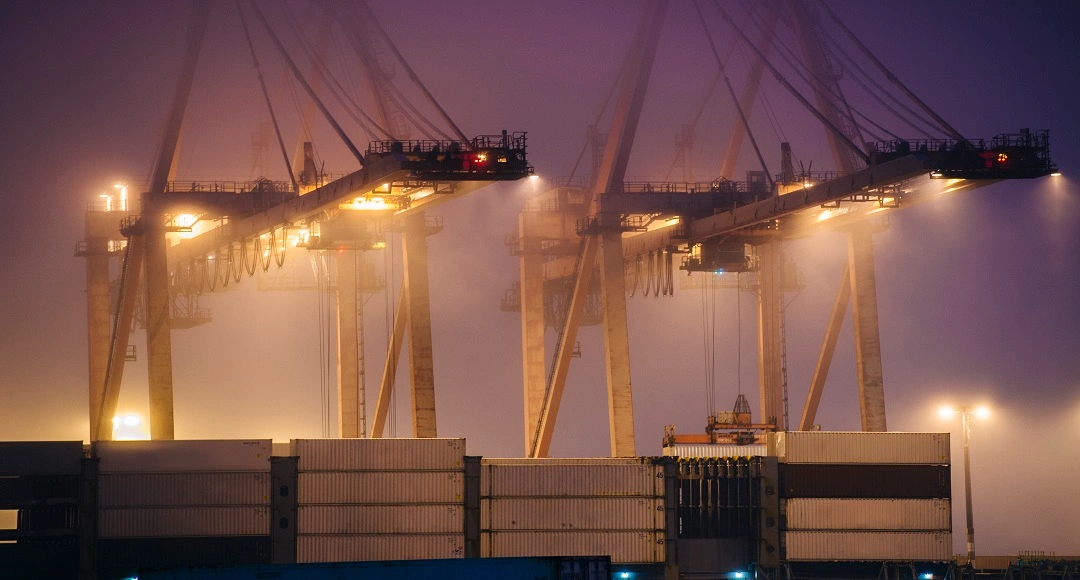
For instance, a private freight terminal might include sidings connected to main rail lines, warehousing facilities, cranes for container handling, and even customs clearance zones. This setup ensures that freight moves seamlessly from production to distribution, embodying the essence of just-in-time logistics. In essence, a private freight terminal isn’t just a stopover—it’s a strategic asset that integrates into a company’s supply chain ecosystem.
The Evolution of Private Freight Terminals
The history of private freight terminals traces back to the industrial revolution when factories built their own rail sidings to transport raw materials and finished products. In the 19th century, companies like coal mines in the UK or steel mills in the U.S. invested in private tracks to avoid dependency on public railways.
Fast-forward to the 20th century, and globalization amplified the need for efficient freight handling. The containerization boom in the 1950s, pioneered by Malcolm McLean, shifted focus to multimodal terminals. By the 1990s, deregulation in transportation sectors worldwide opened doors for private investments. In India, the Private Freight Terminal policy of 2010 allowed non-railway entities to develop terminals, leading to over 100 such facilities by 2023.
Today, private freight terminals incorporate IoT sensors, AI-driven predictive maintenance, and green technologies like solar-powered operations. This evolution reflects a shift from basic sidings to sophisticated hubs that support e-commerce giants like Amazon or manufacturers like Tata Steel. The human element? It’s in the stories of entrepreneurs who turned logistical headaches into profitable ventures, proving that innovation in freight isn’t just about machines—it’s about foresight.
Efficiency in Private Freight Terminals
Efficiency is the heartbeat of any private freight terminal. By design, these facilities eliminate the inefficiencies plaguing public systems, such as long queues and mismatched schedules. Let’s break it down.
Streamlined Operations and Technology Integration
In a private freight terminal, operations are tailored to the owner’s needs. For example, automated gate systems using RFID tags allow trucks to enter without stops, cutting entry times from minutes to seconds. Integration with ERP software ensures real-time tracking, where shipments are monitored from origin to destination.
Technology plays a starring role: AI algorithms optimize loading sequences, reducing manual errors. A study by McKinsey shows that digital twins—virtual replicas of terminals—can improve efficiency by 15-20%. Picture a terminal where drones inspect cargo for damage, or blockchain verifies documents instantly. This isn’t sci-fi; it’s happening in places like DP World’s private terminals in Dubai.
Cost-Effective Logistics Management
Cost savings stem from reduced demurrage charges—fees for delayed cargo. In public terminals, these can pile up due to shared resources. A private freight terminal avoids this by prioritizing your freight, potentially saving 20-30% on logistics costs, per industry reports from Deloitte.
Bulk handling becomes cheaper too. If you’re shipping commodities like cement or grains, dedicated silos and conveyors minimize spillage and labor costs. It’s like having your own express lane on a highway—faster and cheaper.
Reducing Downtime and Enhancing Throughput
Downtime is the enemy of efficiency. Private freight terminals use predictive analytics to schedule maintenance during off-peak hours, ensuring 99% uptime. Throughput—the volume of freight handled—increases with custom equipment like high-capacity cranes that load 50 containers per hour versus 20 in shared setups.
Real-life example: Adani’s Mundra Port in India, which includes private freight terminals, handles over 100 million tons annually with minimal delays. Efficiency here isn’t abstract; it’s measurable in faster delivery times and happier customers.
Advantages of Private Freight Terminals
The advantages of a private freight terminal extend beyond efficiency, offering a holistic boost to business operations. Here’s a deep dive.
Customization and Control
One major perk is customization. You design the terminal to fit your cargo type—whether it’s hazardous materials requiring special storage or perishables needing refrigerated units. Control means no surprises: you set the rules, from operating hours to priority handling.
This level of autonomy empowers businesses to respond quickly to market changes. For small enterprises, it levels the playing field against larger competitors.
Economic Benefits for Businesses
Economically, private freight terminals drive revenue growth. By cutting transportation costs, companies can reinvest in expansion. Job creation is another plus—terminals employ locals in roles from operators to managers, stimulating regional economies.
A report by the World Bank highlights that private infrastructure investments yield 1.5-2 times ROI over public ones due to better management. Think of it as your business’s secret weapon for profitability.
Environmental and Sustainability Advantages
Sustainability is increasingly vital. Private freight terminals can incorporate eco-friendly practices like electric cranes or rainwater harvesting, reducing carbon footprints. Rail-based freight emits 75% less CO2 than road transport, per EPA data.
Companies like Maersk use private terminals to achieve net-zero goals, blending efficiency with green initiatives. It’s a win for the planet and your brand’s image.
Strategic Location and Connectivity
Location matters. Private freight terminals are often built near production sites or markets, minimizing transit distances. Connectivity to major rail networks ensures seamless integration into global supply chains.
For exporters, this means quicker access to ports, reducing lead times. In competitive industries, this edge can make or break deals.
Security and Risk Management
Security is paramount. Private terminals feature advanced surveillance, biometric access, and fenced perimeters, lowering theft risks. Insurance premiums drop due to better risk profiles.
In volatile regions, this control mitigates disruptions from strikes or regulations, ensuring business continuity.
How to Develop a Private Freight Terminal
Developing a private freight terminal is a multifaceted process, but with careful planning, it’s achievable. Here’s a comprehensive guide.
Planning and Feasibility Studies
Start with a feasibility study: assess demand, cargo volume, and ROI. Engage consultants to analyze market trends—will your terminal handle 10,000 tons monthly? Use tools like SWOT analysis to identify strengths (e.g., proximity to highways) and threats (e.g., competition).
Budget for this phase: $50,000-$200,000, depending on scale. Involve stakeholders early to align visions.
Regulatory Compliance and Approvals
Navigate regulations. In the U.S., obtain permits from the Federal Railroad Administration; in India, apply under the PFT scheme via Indian Railways. Environmental impact assessments (EIA) are mandatory to ensure compliance with laws like the Clean Air Act.
Hire legal experts to expedite approvals, which can take 6-12 months. Transparency here avoids costly delays.
Site Selection and Infrastructure Design
Choose a site with rail access, flat terrain, and utilities. Proximity to suppliers cuts costs. Design includes tracks, platforms, warehouses, and tech integrations like SCADA systems for monitoring.
Architects and engineers collaborate to create blueprints. Cost: Land acquisition might run $1-5 million, design another $500,000.
Financing and Investment Strategies
Secure funding through loans, equity, or PPPs (Public-Private Partnerships). Banks like HSBC offer infrastructure financing at 5-8% interest. Pitch to investors by highlighting 15-20% returns.
Government incentives, like tax breaks in SEZs, can sweeten the deal.
Construction and Implementation Phases
Construction spans 12-24 months. Phase it: first, earthworks and tracks; then, buildings and equipment. Use project management software like Primavera for timelines.
Safety protocols are crucial—OSHA standards prevent accidents. Test runs ensure everything works.
Operational Setup and Management
Hire staff: terminal managers, operators, and IT specialists. Implement software for inventory and scheduling. Training programs build efficiency.
Partner with rail operators for connectivity. Initial operations might start small, scaling up.
Maintenance and Future-Proofing
Plan for ongoing maintenance: annual budgets of 5-10% of capex. Adopt IoT for predictive upkeep.
Future-proof by designing for expansions, like adding EV charging for trucks. Stay adaptable to tech advances.
Case Studies: Successful Private Freight Terminals
Real-world examples bring the concept to life. Take the Norfolk Southern’s private freight terminal in Austell, Georgia. Serving automotive giants, it handles 200,000 vehicles yearly with automated systems, achieving 30% efficiency gains.
In India, Container Corporation of India’s (CONCOR) partnerships with private entities have developed terminals like those in Dadri, boosting exports by 25%. Or consider Amazon’s rail intermodal terminals in the U.S., integrating with their warehouses for same-day shipping feats.
These stories show entrepreneurs overcoming hurdles—like initial high costs—through strategic planning, resulting in thriving operations.
Challenges and Solutions in Private Freight Terminal Development
No venture is without challenges. High upfront costs ($10-50 million) can deter investors; solution: phased development and grants.
Regulatory hurdles slow progress; mitigate with expert lobbying. Operational risks like weather disruptions? Invest in resilient designs.
Labor shortages? Automation and training programs help. By addressing these proactively, success rates soar.
Future Trends in Private Freight Terminals
Looking ahead, private freight terminals will embrace automation, with autonomous vehicles and AI optimizing routes. Sustainability trends include hydrogen-powered trains.
5G connectivity will enable real-time data sharing, while blockchain secures transactions. The rise of e-commerce will demand more agile terminals, potentially integrating drone deliveries.
Experts predict a 10% annual growth in private infrastructure, driven by supply chain resilience post-COVID.
Conclusion
In summary, a private freight terminal represents the pinnacle of modern logistics: efficient, advantageous, and developable with the right approach. From streamlining operations to offering economic and environmental benefits, it’s a strategic investment that pays dividends.
Whether you’re inspired by success stories or ready to embark on development, remember: the key is planning with a human touch considering people, processes, and planet. As supply chains evolve, private freight terminals will be at the forefront, driving innovation and growth. If you’re considering one, start with a feasibility study today your business’s future efficiency depends on it.
Read More: Nova Scola: Innovative Learning Platform for a Changing World