
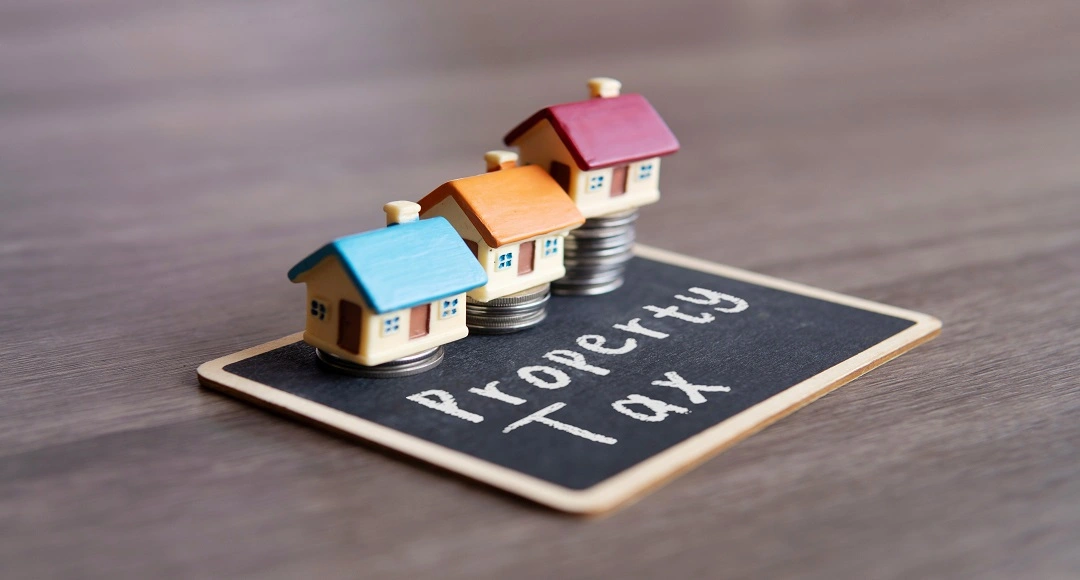
Purchasing land in Travis requires attention to financial details beyond the listing price. Annual property taxes influence the overall cost of ownership and affect long-term planning for development or investment. Buyers who review tax policies early gain a clearer understanding of future obligations tied to land ownership. Local appraisal practices, land classification rules, and possible exemptions all shape how taxes apply to each parcel.
In Travis, property tax policies depend on property valuation and the applicable tax rates set by local jurisdictions. County appraisal districts determine the taxable value of land based on market data and land characteristics. These values form the foundation of annual tax bills issued by local taxing authorities. Reviewing appraisal information before closing helps buyers understand the expected tax responsibility connected to the property.
Understanding Local Tax Assessment Structure
Land taxes in Travis follow an appraisal system managed at the county level. Each parcel receives a value estimate based on market activity, land characteristics, and potential use.
How Land Value Is Determined
County appraisers analyze several factors before assigning a taxable value:
- Market sales of similar parcels within the surrounding area
- Size, terrain, and access to roads or utilities
- Zoning designation and permitted development types
- Current land use, such as residential, agricultural, or vacant status
- Infrastructure availability, including water, electricity, and drainage
Why Assessment History Matters
Historical appraisal records show how land values have changed over time. Reviewing this information reveals patterns such as steady appreciation, redevelopment influence, or zoning adjustments. A stable assessment pattern helps estimate long-term ownership costs and potential tax increases tied to future growth.
Tax Classification And Land Use Impact
Land classification plays a major role in determining the final tax bill. Agricultural use, residential designation, and undeveloped land status each follow different valuation approaches.
Agricultural Valuation Benefits
Land used for agricultural production may qualify for special valuation methods that focus on productivity rather than full market value. This system sometimes reduces taxable value when the property meets eligibility standards.
Typical qualifying uses include:
- Livestock grazing or ranching operations
- Crop production and hay cultivation
- Beekeeping or wildlife management programs
- Timber or agricultural resource management
Development Plans And Tax Changes
When land use shifts toward residential or commercial development, the taxable value usually adjusts to reflect new market potential. In Travis, property tax obligations may increase once agricultural valuation ends or zoning allows expanded development. Buyers planning construction should account for these adjustments before purchasing land.
Planning For Future Property Taxes
Land buyers benefit from analyzing tax implications before completing a purchase. Reviewing appraisal notices, zoning designations, and permitted uses helps determine how taxes may evolve over time. Public records and county appraisal data provide insight into value trends that influence tax rates.
Budget planning also improves when buyers evaluate the total tax burden alongside development costs, infrastructure preparation, and potential permit requirements. Careful analysis reduces financial surprises and supports more accurate long-term land investment strategies.
Why Should Land Buyers in Travis Use Property Tax Consultation Services?
Property tax consultation services review appraisal records, land classifications, and past valuation data before a purchase. This evaluation confirms whether the assessed value aligns with county standards and identifies exemptions or agricultural valuation eligibility.
Specialists also examine prior assessments and protest eligibility that affect future tax costs. Early analysis helps buyers estimate long-term obligations and prepare for tax changes tied to development or land use shifts.
Read More: Messeregge: What Is It, Meaning, Uses & Why It Matters in Farming