
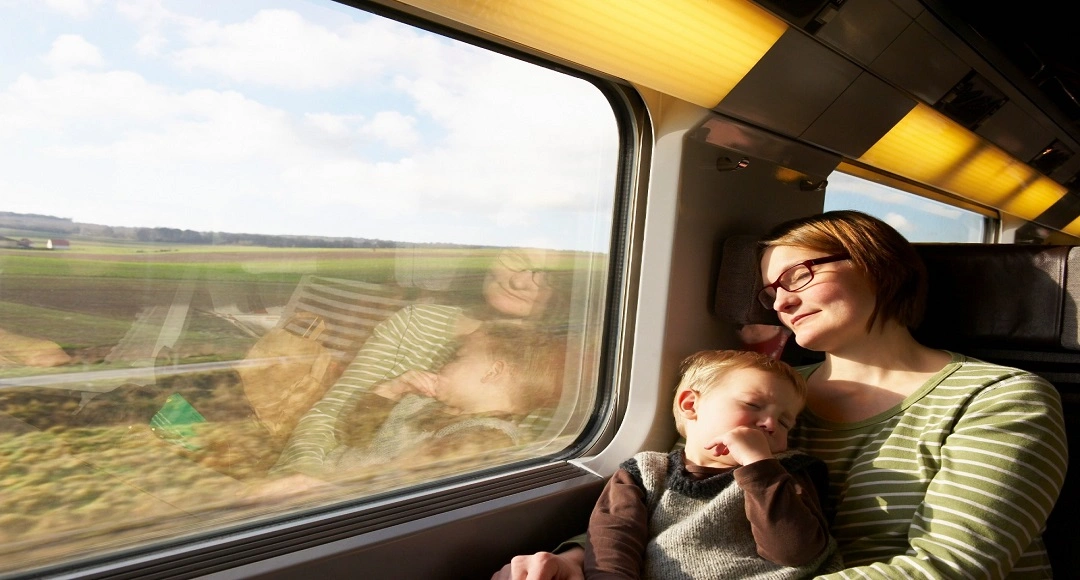
Family vacations usually become stressful before the trip even starts. Somebody loses a shoe, another kid suddenly feels sick, and parents are already thinking about snacks, check-in times, and whether anyone will sleep properly later. Most parents end up noticing the small practical details more than the attractions themselves once the trip actually begins.
That is partly why family destinations like Pigeon Forge keep staying popular year after year. Families want more than attractions now. They look for walkable areas, quieter mornings, easy food options, and comfortable hotel setups that do not make the trip feel exhausting. When there is space to slow down a little, the whole vacation feels calmer. Parents notice that immediately, even if kids mostly remember the snacks and pool later.
Comfortable and Convenient Stays
Parents notice convenience differently from younger travelers. A hotel does not need to feel extravagant to become memorable for families. What matters more is whether the stay reduces stress in small ways throughout the day. Easy parking matters after long drives. Quiet rooms matter when younger children still wake up early. Walkable attractions become more important once parents get tired of loading everyone back into the car every few hours. Even simple things like comfortable seating areas or riverside spaces where kids can slow down for a while make a bigger difference than people expect before traveling.
That is one reason many families researching hotels near Pigeon Forge Island usually focus less on flashy extras and more on comfort, location, and how manageable the overall stay feels with children involved. Hotels like the Inn on the River stand out for all these reasons. They offer riverside rooms with private balconies, indoor and outdoor pools, complimentary breakfast, and walkable access to family attractions and restaurants. Parents often remember practical details more clearly than attractions themselves because those smaller comforts quietly shape the mood of the entire trip from morning until bedtime.
Quiet Mornings Matter More Than Parents Admit
Parents appreciate quiet mornings during vacations with almost unreasonable intensity. At home, mornings already feel rushed enough between school schedules, work emails, missing socks, and whatever random crisis starts before breakfast. Vacations feel different when mornings slow down slightly instead of continuing the same pressure in another location.
That is why room placement, noise levels, and outdoor spaces matter so much for families. A calm balcony overlooking water or a quiet place to drink coffee before children fully wake up can change the tone of the whole day. Parents notice those moments because they rarely happen naturally during regular routines.
Children also respond differently to calmer environments. Kids become less overstimulated when every activity is not packed tightly together. Families tend to argue less when nobody feels constantly rushed from one thing to the next. That part rarely appears in travel brochures, obviously, but parents absolutely notice it.
Comfortable Beds Have Become a Bigger Deal
Kids somehow stop sleeping normally the second a family enters a hotel room. One child passes out immediately while another suddenly becomes deeply interested in hallway noises or the air conditioner at midnight. Parents already expect this, which is exactly why comfortable beds matter more during trips now than people probably admit out loud.
Families also notice practical room layouts more than fancy decorations. Enough space for bags, decent bathrooms, quiet seating areas, and rooms that feel functional after long days out. Parents spend more downtime inside hotel rooms now between activities, so comfort stops feeling like a bonus and starts feeling necessary pretty quickly.
Walkable Areas Reduce Family Stress Fast
Parents eventually reach a point during vacations where getting back into the car starts feeling emotionally exhausting. Finding parking again, buckling children repeatedly, sitting through traffic, and unloading strollers. Those small tasks add up throughout the day.
Walkable travel areas solve part of that problem quietly. Families can move more casually without turning every activity into another logistical project. Children also behave differently when they can walk, stop, snack, or look around naturally instead of being rushed constantly between parking lots and crowded roads.
This is probably why family-friendly travel destinations increasingly focus on convenience and accessibility now instead of only advertising attractions. Parents are not searching for nonstop stimulation anymore. They want experiences that feel manageable in real life with actual children involved.
Parents Appreciate Small Food Conveniences
Food becomes surprisingly emotional during family trips. Somebody always gets hungry too early, too late, or only wants the exact snack unavailable nearby. Parents start noticing practical food access almost immediately after arriving somewhere unfamiliar.
Hotels with decent breakfast options, nearby restaurants, or simple snack access usually reduce more stress than expensive dining experiences. Families move better when nobody is desperately hungry while standing in long attraction lines.
Mini fridges matter too. Parents love mini fridges with the kind of energy normally reserved for major appliances. Juice boxes, leftovers, yogurt cups, quick snacks. Having food available without leaving the room repeatedly changes the pace of family travel more than people expect beforehand.
Honestly, half of successful parenting during vacations seems connected to snack timing anyway.
Families Want Trips That Feel Less Rushed
Travel habits shifted over the last few years because people already feel overloaded during normal life. Parents manage work schedules, school calendars, notifications, appointments, errands, and endless digital distractions every day. Vacations that feel equally exhausting stop feeling worth the effort after a while.
That is probably why slower family travel became more appealing recently. Parents are choosing fewer activities, longer stays, and accommodations where families can rest comfortably between outings instead of racing constantly from attraction to attraction.
Children usually enjoy this slower pace more, too. They remember pools, riverside walks, late-night snacks, and simple downtime surprisingly well compared to heavily scheduled tourist plans adults thought were important.
The interesting thing is that many parents already know this intellectually before traveling. Then they still overbook the itinerary anyway because everyone wants to “make the most” of the trip. Eventually, most families realize the best vacation memories usually happen during quieter moments nobody planned carefully in advance.
Parents rarely come home talking about thread counts or hotel lobby decorations. They remember whether the trip felt manageable. Whether mornings stayed calm. Whether children slept decently. Whether everyone had enough room to breathe without becoming overwhelmed halfway through the vacation. None of those details sound exciting individually. Together, though, they determine whether a family vacation actually feels restful or simply becomes regular life happening temporarily in a different zip code.
Read More: Jernsenger: How This New Concept is Redefining Digital Connect