
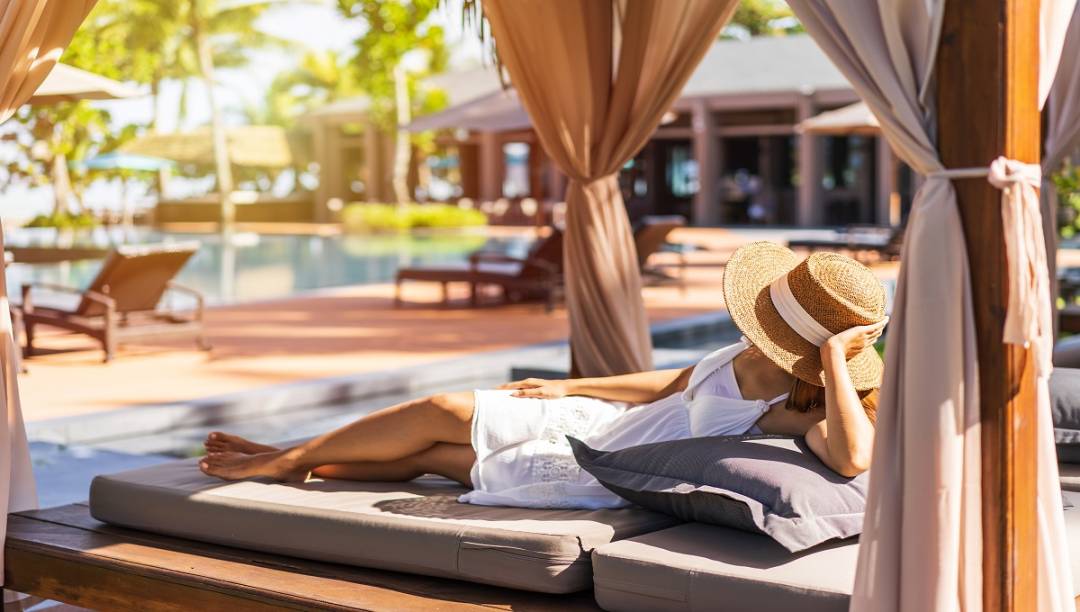
Crowded spaces change how a trip feels. Even the most beautiful destination loses its charm when guests feel rushed or constantly aware of other people. Travelers who return home rested usually don’t chase the biggest property. They won’t even talk about the flashiest amenities. They chose places that understood space, pacing, and how people actually unwind.
Seasoned travelers often say the same thing. Relaxation starts before arrival. It begins with how a property is laid out and how it manages the flow of guests throughout the day.
Space Matters More Than Size
Large properties can still feel crowded. Smaller ones can feel open. The difference lies in how space is used. Travelers look beyond total acreage and focus on density. How many rooms share a pool? How close do the cabins sit to one another? It’s also a concern whether common areas feel spread out or compressed.
Relaxing properties give people room to exist without constant interaction. Think of paths that feel wide enough to stroll without sidestepping others. There’s also the seating area that doesn’t force strangers into close proximity. Even during peak hours, guests feel they have personal space.
Layout Influences How People Move
A thoughtful layout reduces congestion naturally. When dining areas, pools, and activity spaces are separated instead of stacked together, crowds disperse. Travelers notice when they can walk from one area to another without crossing through bottlenecks.
Properties that manage this well guide movement subtly. They have curved walkways and multiple access points. Quiet zones are placed away from high-traffic areas. These features help guests spread out instead of clustering in one spot.
When travelers research Georgia holiday resorts, they study maps as closely as photos. A layout that looks balanced on paper usually translates into a calmer experience in person.
Quiet Zones Signal Intentional Design
Not every guest wants constant activity. Relaxing properties make room for stillness. Reading areas. Garden benches. Shaded corners away from pools and bars. These quiet zones allow travelers to step back when they need to.
Guests appreciate knowing they have options. They can join social spaces or retreat without leaving the property. That flexibility is one of the strongest indicators that a resort values comfort over spectacle.
Timing and Flow Shape the Atmosphere
Crowds feel heavier when everyone does the same thing at the same time. Properties that stagger experiences reduce this effect. Extended dining hours. Multiple pool areas. Activities are offered at different times instead of all at once.
Travelers often read reviews looking for clues about timing. Mentions of peaceful mornings. Calm afternoons. Evenings that don’t feel rushed. These details reveal whether a property understands pacing.
Natural Elements Help Create Breathing Room
Nature plays a quiet role in how crowded a place feels. Trees, water features, and open views soften the presence of other guests. Landscaping that creates visual separation makes spaces feel larger.
Properties that blend buildings into their surroundings feel less busy. Guests focus on the scenery, and the sound carries differently as well. Water and foliage absorb noise, lowering the sense of crowding even when occupancy is high.
Here are elements travelers would associate with uncrowded stays:
- Multiple outdoor spaces instead of one main hub
- Seating spread across different areas
- Landscapes that create natural dividers
- Paths that loop rather than dead-end
Guest Behavior Reflects Property Design
Travelers pay attention to how other guests behave. Calm properties encourage calm behavior. People move more slowly. Conversations stay softer. Crowds don’t gather unnecessarily.
When a property feels hectic, guests mirror that energy. Lines grow. Tension rises. Relaxing properties break that cycle through design and management choices.
Service Style Makes a Difference
Attentive service means more than constant presence. Travelers value staff who anticipate needs. They expect clear instructions and friendly guidance when needed. Quiet efficiency is a must.
When guests don’t need to ask what to do next, they relax faster. Confident service supports smooth movement throughout the property. This reduces confusion, which is typically the common cause of crowding.
Reviews Reveal the Real Experience
Experienced travelers read between the lines. They notice mentions of peaceful mornings or uncrowded pools. They also notice complaints about noise or limited seating.
Patterns matter a lot. Multiple guests mentioning “well-spaced” usually reflects intentional design.
Thoughtful Choices Mean Relaxation
Travelers who choose properties that don’t feel crowded aren’t chasing exclusivity. They are choosing balance. Enough activity to feel engaged. Enough space to feel at ease.
When a resort respects personal space, manages flow, and uses its environment wisely, guests notice. They sleep better. They linger longer. They leave feeling restored instead of overstimulated.
Read More: Sosoactive: Top Future of Personal Business Growth Program