
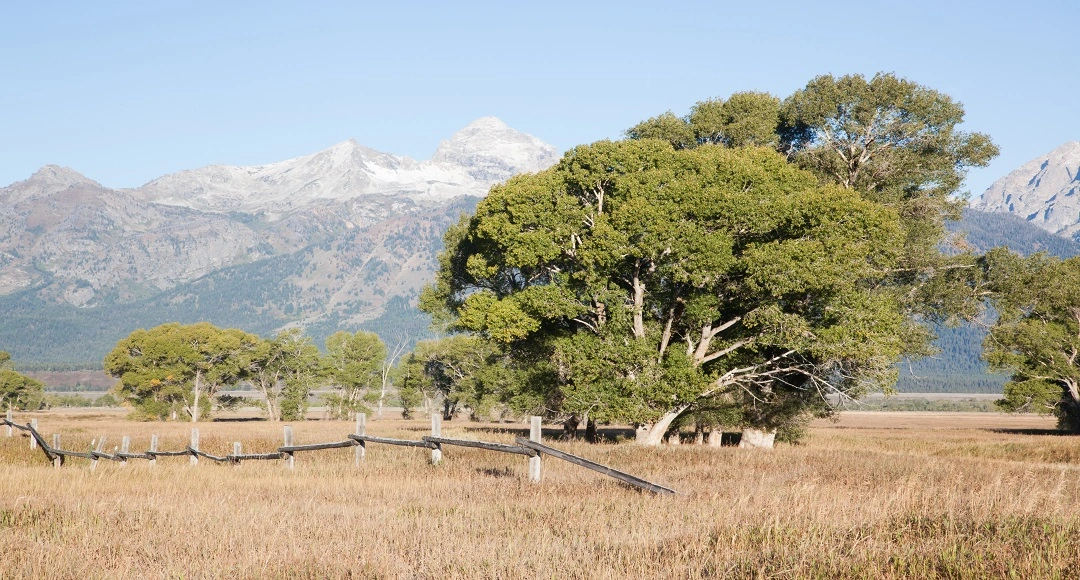
Every year, as late spring transitions into early summer, neighborhoods across Colorado experience a familiar sight: fluffy white cottonwood seeds drifting through the air like summer snow. While these floating tufts may seem harmless or even picturesque, cottonwood season can have a surprisingly significant impact on the appearance and cleanliness of residential and commercial properties.
Many homeowners focus on lawn care, landscaping, and seasonal maintenance during this time of year, yet cottonwood fluff often creates aesthetic and maintenance challenges that are easy to overlook. From collecting in corners and clogging outdoor features to leaving residue on windows and exterior surfaces, cottonwood season can make even a well-maintained property look untidy.
Understanding how cottonwood fluff affects your property can help you stay ahead of seasonal buildup and maintain your home’s curb appeal throughout the warmer months.
Why Cottonwood Fluff Becomes a Property Problem
Cottonwood trees release seeds wrapped in cotton-like fibers that are designed to travel long distances on the wind. During peak season, these fibers can accumulate rapidly around homes, businesses, and outdoor spaces.
Because the fluff is lightweight, it settles almost everywhere. It gathers along fences, patio furniture, landscaping features, gutters, window frames, and entryways. Even properties located several blocks away from cottonwood trees can experience substantial buildup due to wind patterns.
What begins as a few scattered white tufts can quickly become widespread debris that affects the overall appearance of your property.
How Cottonwood Changes Curb Appeal
First impressions matter, especially when it comes to residential neighborhoods and commercial properties. A clean exterior immediately communicates care and maintenance, while visible debris can create the opposite impression.
Cottonwood fluff often accumulates in highly visible areas, including:
- Along sidewalks and driveways
- Around landscaping beds
- In corners of decks and patios
- Near garage doors
- Around fences and retaining walls
- On outdoor furniture
As buildup increases, outdoor spaces can appear neglected even when they are otherwise clean and well-maintained.
For homeowners preparing to host guests, sell a property, or simply enjoy their outdoor living areas, cottonwood season often requires more frequent cleaning than expected.
The Impact on Windows and Glass Surfaces
One of the most noticeable effects of cottonwood season occurs on windows and glass surfaces.
Airborne fluff frequently sticks to window frames, screens, tracks, and glass. Moisture from rain, sprinklers, or morning dew can cause cottonwood fibers to cling even more firmly to surfaces. As dirt and dust attach to the fibers, windows can quickly lose their clarity.
Over time, homeowners may notice:
- Reduced window transparency
- Streaking and smudging
- Debris buildup in tracks
- Dirty window screens
- Residue collecting around frames
Because cottonwood fibers are often mixed with pollen, dust, and other airborne particles, simply rinsing windows may not fully remove the buildup.
Professional window cleaning can help restore visibility and remove seasonal residue that accumulates during cottonwood season. If you’re looking to maintain crystal-clear glass throughout the warmer months, it’s often best to hire a window cleaner in Arvada CO who understands the unique environmental conditions that affect local properties.
Cottonwood Fluff and Outdoor Living Spaces
Patios, decks, and outdoor seating areas are particularly vulnerable during cottonwood season.
The fluffy fibers naturally settle on horizontal surfaces, creating a thin layer of debris that can quickly become noticeable. Outdoor cushions, tables, grills, and decorative features often require repeated cleaning to maintain a tidy appearance.
Common issues include:
Furniture Buildup
Cottonwood fluff collects on chairs, tables, umbrellas, and outdoor cushions. Wind can continually redistribute the fibers, making it difficult to keep surfaces clean.
Pool and Water Feature Debris
Pools, fountains, and ponds often attract cottonwood fluff. The fibers float on water surfaces and can clog skimmers and filtration systems if not removed regularly.
Patio Corner Accumulation
The lightweight fibers tend to gather in corners where airflow is limited. These visible accumulations can make outdoor spaces appear messy even shortly after cleaning.
Gutters and Drainage Concerns
Although cottonwood fluff appears soft and harmless, large amounts can create maintenance challenges when combined with leaves, dirt, and moisture.
Gutters frequently become collection points for airborne debris during cottonwood season. As fibers accumulate, they can contribute to minor blockages that interfere with proper drainage.
While cottonwood fluff alone may not completely clog a gutter system, it often combines with other organic material to create dense debris pockets.
Property owners who neglect seasonal maintenance may notice:
- Slower water drainage
- Debris buildup near downspouts
- Overflow during heavy rainfall
- Increased cleaning requirements
Regular inspections during late spring and early summer can help prevent these issues from escalating.
Landscaping Challenges During Cottonwood Season
Landscaped areas often bear the brunt of cottonwood accumulation.
The fibers become trapped in:
- Shrubs and hedges
- Ground cover plants
- Decorative rock beds
- Mulch areas
- Flower gardens
As cottonwood fluff mixes with pollen and dust, landscaping can lose its crisp, manicured appearance. White accumulations are particularly noticeable against darker mulch and decorative stone.
For homeowners who invest significant time and money into landscaping, cottonwood season often requires additional maintenance to preserve visual appeal.
Why Seasonal Cleaning Matters
Many property owners underestimate how quickly cottonwood buildup can affect the overall appearance of their homes.
Routine seasonal cleaning helps:
- Preserve curb appeal
- Maintain outdoor living areas
- Improve window clarity
- Reduce debris accumulation
- Protect exterior features
- Create a cleaner overall appearance
A proactive approach is often more effective than waiting until debris becomes overwhelming.
Professional exterior cleaning services can also help address areas that are difficult to reach or maintain consistently, particularly when seasonal environmental factors are at play.
Keeping Your Property Looking Its Best
Cottonwood season is a predictable part of life throughout many Colorado communities. While the floating white fluff may signal the arrival of warmer weather, it can also create a surprising amount of exterior maintenance work.
From cluttering patios and landscaping to reducing window clarity and collecting in hard-to-reach areas, cottonwood fluff has a greater impact on property appearance than many homeowners realize.
By staying proactive with seasonal cleaning and maintenance, property owners can minimize buildup, preserve curb appeal, and enjoy cleaner outdoor spaces throughout late spring and early summer. A combination of routine upkeep, landscape care, and professional window cleaning can make a significant difference in keeping your property looking fresh, inviting, and well-maintained during cottonwood season.
Read More: Fanquer: The True Meaning & Why It’s Changing Online Culture