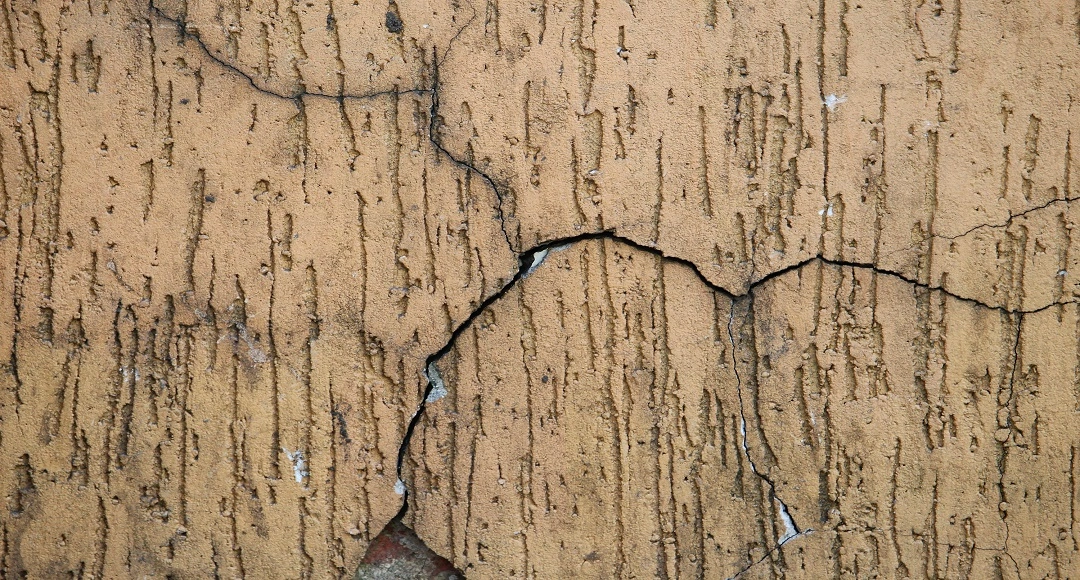
A coated deck is meant to look good and hold up against the weather for years. So when the surface starts cracking, bubbling, or peeling away, it’s usually a sign that something went wrong long before the damage became visible. In most cases, the problem isn’t bad luck. It comes down to how the deck was prepped, what product was used, or how the coating was applied and maintained afterward.
Understanding why coated deck surfaces fail is the first step toward avoiding costly repairs and getting a finish that actually lasts. Below are the most common reasons deck coatings crack and peel, along with what homeowners can do to prevent it.
1. Poor Surface Preparation Before Coating
Most coating failures start before the first coat is ever applied. If the deck surface isn’t properly cleaned, sanded, or degreased, the coating has nothing solid to bond to. Dust, oil residue, old sealants, and even fine debris left on the surface create weak spots where the coating separates from the deck within months rather than years.
Old, failing coatings that aren’t fully stripped before a new layer goes on cause the same problem, since the new coating only bonds as well as the unstable layer underneath it.
2. Moisture Trapped Beneath the Surface
Moisture is one of the biggest enemies of any deck coating. If a coating is applied over damp wood or concrete, or if there’s no proper vapor barrier underneath, moisture gets sealed in rather than kept out. As temperatures rise, that trapped moisture tries to escape, forming bubbles and blisters that eventually crack or peel open.
This is especially common on ground-level decks, balconies over living spaces, and older concrete slabs where water can seep in from below.
3. UV Exposure and Sun Damage
Constant exposure to sunlight breaks down the polymers in lower-quality coatings over time. UV rays cause the material to become brittle, lose flexibility, and eventually crack under normal foot traffic or seasonal movement. This is why coatings that aren’t specifically UV-stabilized tend to fade, chalk, and split years before a properly formulated product would.
4. Temperature Swings and Substrate Movement
Decks expand and contract with changes in temperature and humidity, especially in climates with harsh winters and hot summers. Freeze-thaw cycles put extra stress on outdoor surfaces, as water works its way into tiny surface cracks and expands when it freezes, widening the damage with every cycle.
A coating that isn’t flexible enough to move with the deck underneath it will eventually crack along stress points, joints, and seams, even if it looked flawless the year it was applied.
5. Low-Quality or Mismatched Coating Products
Not all deck coatings are built the same. Basic acrylic paints or generic sealants often lack the elasticity and waterproofing needed to handle real outdoor conditions. Using a product that isn’t rated for the specific substrate, wood versus concrete for example, or for the local climate, is one of the fastest ways to end up with premature cracking and peeling, no matter how carefully it was applied.
6. Skipping Routine Maintenance
Even a high-quality coating needs occasional care. Standing water, dirt buildup, dragged furniture, and de-icing salts in winter all wear down the surface over time. Without periodic cleaning and inspection, small issues like hairline cracks or worn spots go unnoticed until moisture gets underneath and the damage spreads.
7. Application Errors and Insufficient Cure Time
Even the best coating product will fail if it isn’t applied correctly. Coats applied too thick can trap solvents and cure unevenly, while coats applied too thin wear through quickly under normal use. Applying a coating in the wrong temperature or humidity, or not allowing enough time between layers, weakens the bond between coats and the surface below.
Foot traffic or furniture placed on a deck before the coating has fully cured is another common culprit. A coating might feel dry to the touch within a few hours, but full curing can take a day or two. Using the deck too soon disrupts that process and often leaves soft spots that crack or scuff prematurely.
How to Prevent Cracking and Peeling on Your Deck
The good news is that most of these issues are preventable with the right approach from the start. Proper surface preparation, a coating system designed for both the substrate and the climate, and correct application techniques make the biggest difference in how long a coated deck actually lasts.
Working with experienced flexstone deck coating services ensures the entire process, from cleaning and prepping the surface to selecting a flexible, UV-resistant, waterproof coating, is handled correctly the first time. A properly installed, seamless coating system is built to move with the deck through temperature swings, resist moisture penetration, and stand up to heavy foot traffic without cracking or lifting.
Routine maintenance after installation, such as regular cleaning and prompt attention to any surface wear, will also extend the life of the coating well beyond what a basic approach can achieve. Choosing a system rated for local freeze-thaw conditions, rather than a generic paint-on sealant, is often the difference between a deck that needs recoating every couple of years and one that stays intact for a decade or more.
Final Thoughts
Cracking and peeling on a coated deck rarely happen without a reason. In almost every case, the root cause traces back to how the surface was prepared, what product was used, or how well it was maintained afterward. By addressing these factors early and choosing a coating system built for real outdoor conditions, homeowners can avoid the cycle of repairing and recoating every couple of years, and instead enjoy a deck that stays protected and looking its best for the long term.
Read More: Image Search Techniques: Advanced Reverse Search, AI & Tools