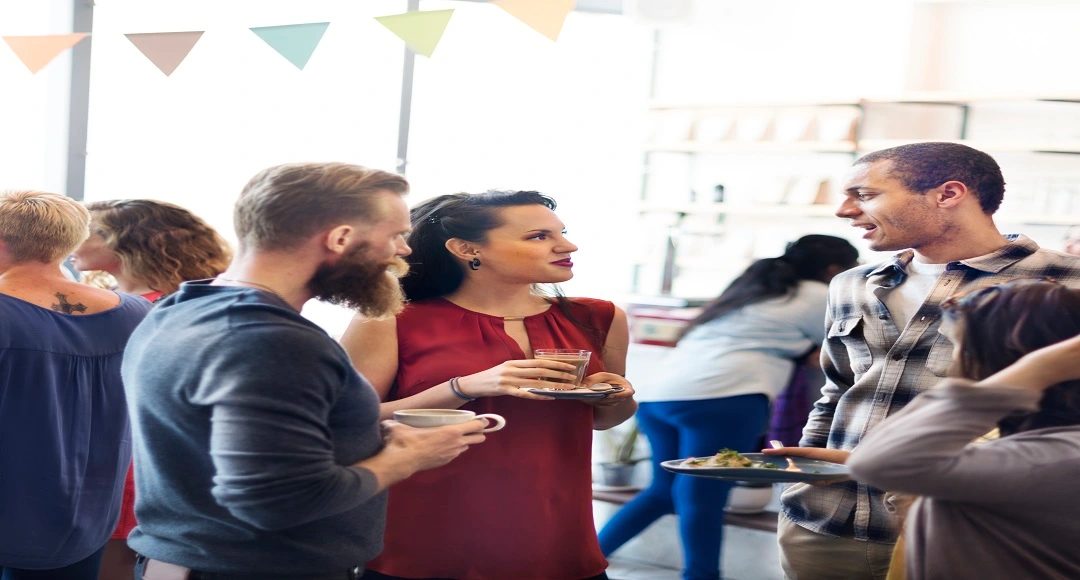
Community events do more than merely fill a calendar. These events provide people with opportunities to be recognized, accepted into the community, and connected to something greater than themselves.
An event’s atmosphere will be remembered by people long after they can remember what time things happened during the event. No matter if it’s a neighborhood clean-up, a school fund-raiser, a wellness workshop, a cultural gathering, or a small business meetup; the atmosphere of the event is important.
Developing a feeling of membership does not have to be expensive or difficult to plan. Many times, the most simple things can create this feeling: a friendly greeting, open communication, common practices, and little indications to each individual that they belong.
Organizers can use some of these strategies to help make their community events more relevant, accessible, and memorable.
Start With a Clear Purpose
A strong event begins with a simple question: why are people gathering?
A purpose is not always required to be of major significance. A purpose could include but is not limited to: raising awareness, supporting a cause, acquiring a new skill, celebrating a major event, or simply getting people in your community to interact with each other. If you have a clearly defined purpose then all of your decisions will become much easier including: where to host your event, when to hold your event, and how you want to present yourself through the wording used on your invitations.
Stress relief events are designed to be tranquil and roomy. Youth volunteer days are designed to have more energy, motion and form. Local art walks are designed to provide opportunities for flexibility and visual communication.
People will connect more with each other if there is a common purpose for the event. To start off on a positive note, a brief welcome address can provide the initial direction. For example, “We have come together today to help out our neighbors and create better relationships within our community.” This short statement provides people with some background about why we are meeting and encourages them to attend with purpose.
Make the Welcome Feel Personal
The initial portion of an event sets the tone for the entire experience. When guests arrive and are confused, ignored, or do not know what direction to take, they might physically remain at the location, however, emotionally disconnected from the event.
An inviting entrance will have an impact. The addition of clearly marked signage, helpful greeters, identification badges, and brief explanations about what to anticipate can ease anxiety.
You should also consider individuals that will be coming on their own. Some people do not attend events with a friend or colleague. At the entrance to your event, you could provide a short introduction, let them know where they can find some food/drink, and suggest a simple first thing for them to do.
Gestures as simple as a smile, a friendly greeting by name, or simply saying “Welcome” can make a person feel comfortable. Belonging typically occurs prior to the actual activity.
Create Shared Symbols and Small Keepsakes
The use of symbols is an effective way for people to identify with one another. When individuals use a similar color, phrase, badge, wristband, card, or other type of symbol, it allows each person involved to feel a sense of togetherness without speaking.
It doesn’t matter how expensive or complex these items are. What matters is the significance of the item itself. For instance, a simple memento may serve as a reminder of an organization that someone helped out, a course that someone finished, or even a group that someone was part of for just one day.
For example, some organizers use custom pins as simple event keepsakes that attendees can wear during the gathering and keep afterward as a reminder of the shared experience.
This method is particularly suitable for charitable walks, school-based organizations, public relations efforts, community service organizations and community celebrations. A small pin that has a symbolic representation, the date or a brief statement may be used to initiate dialogue.
Someone could ask, “What is that for?”, then the person wearing it has an opportunity to tell the story of why they were there. That’s how a little item can carry the message out of the room.
Design Moments for Conversation
Many times people will be able to converse with each other at some type of event. However, many times people will need to get a bit of assistance before being able to have conversations with others.
Structured conversation can help to reduce some of the awkwardness that is often associated with social interactions. I’m not saying you have to force people to participate in awkward icebreaker activities. It can be a very gentle and voluntary activity.
For a workshop, you may have your participants answer one question with their partner. For a community dinner, place cards could have questions such as: “What do you like most about where you live?” or “Have you seen anyone do something nice for someone else lately?”
Volunteer events provide opportunities for individuals to work together as part of small groups (teams) who have a common objective. This type of collaborative effort typically provides more natural opportunities for discussion than sitting in a large group or circle attempting to generate ideas about what to discuss. Volunteer events are designed to allow for spontaneous interactions among participants; they are not intended to force continuous conversation.
Include People Who Are Often Overlooked
Belonging is more than just including individuals in activities. It is also about thinking through potential barriers that may hinder those individuals from fully participating.
A great place to begin would be with accessibility. Can a person easily access the venue? Is there seating available for those individuals that cannot remain standing for long periods of time? Does the event program accommodate the needs of parents, caregivers, and/or users of public transportation?
In addition, language is an important factor. It is necessary to determine whether key instructions need to be provided in multiple languages based on the diversity of the community the event will serve. Use of jargon should be avoided when describing the various activities to be performed during the event; especially if there are new members who may not yet be familiar with the common language used by the group.
Food preferences, a space to pray or be alone with your thoughts, your ability to handle sensory stimulation, and your culture’s traditions will also influence whether people find a place welcoming. Although you can never anticipate every possible need, you can encourage individuals to share what they require by asking open-ended questions.
The addition of a brief statement such as “Please let us know if we can do something to assist with your attendance” to the invitation can provide a great deal of help. This type of communication demonstrates that you are concerned about your guests prior to the event.
Let Attendees Contribute
People will become more involved in an event if they have some part to play. Providing attendees with a role in the event can increase their involvement with the event and with other people.
The above statement does not imply that every person should have formal employment. Individuals may make contributions in various ways. For example, guests may post a note on a community board; bring a dish; tell a story; vote on a possible project idea; create encouraging notes; or assist with the creation of care packages.
At a school sponsored event, students can contribute to the creation of the decor. During a community based meeting, residents can indicate their community concerns on a common map. During a mental health awareness event, participants may anonymously create messages of hope that others can view.
Participation makes a public event more than just something that people go to, but rather part of the process of creating it.
Keep the Energy Grounded
An event doesn’t need to be loud and filled with things to do for it to be significant. On the contrary, if there is too much happening during an event, then those attending may begin to feel as though they are being rushed through everything, and ultimately lose connection to what is occurring around them.
Provide some “down time.” Provide sufficient time for individuals to enter, get comfortable, converse, and process. If the agenda has no gaps, then use small breaks in between each session. When a meeting includes high levels of emotion or is based on a specific issue/cause, you may want to create a quiet area for individuals to go to when they need to take a break.
The setting for an event (including its physical environment) influences how people will react. For example, a circular arrangement of seating will encourage interaction among participants. Small table arrangements will facilitate conversation. An open area in a room allows for movement. Soft background music can create a feeling of warmth within a space; however, silence may provide a more appropriate atmosphere when people are reflecting on what has transpired. In general, the physical environment of an event needs to enhance the event’s objective rather than detract from it.
Follow Up With Care
Follow-up actions to follow after people leave the event can strengthen the bond that was created.
Send a short email thanking attendees for coming to the event. Share any results from the event. Let everyone know if there were any funds raised at the event and how those funds will be spent. Let everyone know about the time spent by volunteers at the event. If this event is part of an ongoing project, let everyone know what the next steps are for the project.
Images are just as important as words, if the participants agree to use them. A couple of pictures can provide a way for the attendees to recall how exciting the event was, and how proud they were to participate.
Feedback from participants is also possible. To keep the feedback process simple: What did you find to be meaningful? What could be improved? What would make you come back to another event? When participants realize that their participation and views are valued, they are likely to remain involved.
Conclusion
Belonging is created by making many small, consistent choices. This can be seen in how people feel welcomed, the purpose of the organization is clear to everyone involved, the opportunities for members to contribute are numerous, and there are many ways for people to remember what they experienced long after the event.
Community events do not always have to be on a grand scale to be significant. A smaller event can create a lasting impression when carefully thought out.
Organizations can foster an environment in which attendees do not view themselves as simply “guests,” but rather as members of a larger community by creating a sense of belonging through a focus on warmth, inclusiveness, common symbols, and honest communication.
Read More: Software RCSDASSK: Guide Architecture, Setup & Troubleshooting