
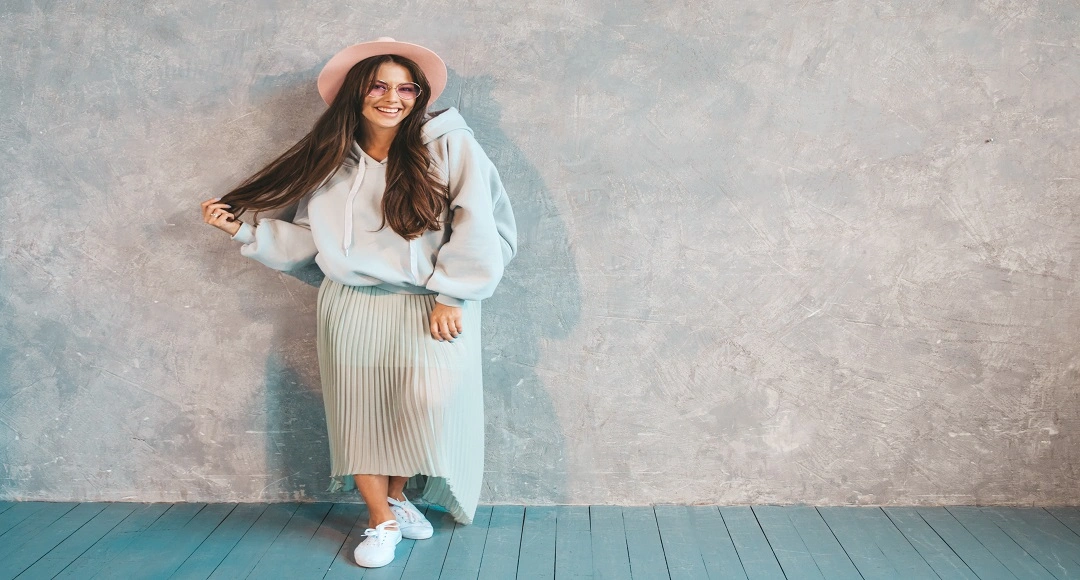
Some people seem to get dressed without thinking. Their clothes suit them, everything works together, and even a simple outfit looks intentional. It can feel as if they were born knowing what to wear.
Personal style usually develops through trial, repetition, and a few poor purchases. It is less about having perfect taste and more about paying attention. You notice which clothes make you stand straighter. You learn which colors you reach for when you need a good day. You stop buying pieces that look exciting online but never feel right once they enter your real life.
Finding your style does not require a complete wardrobe, a large budget, or a strict label. It requires honesty about who you are, how you spend your time, and what makes you feel comfortable in your own skin.
Why Finding Your Style Can Feel So Difficult
We now see more outfits in a week than previous generations may have seen in months. Every scroll presents another aesthetic, another list of essentials, and another reason to believe our current wardrobe is wrong.
One day, clean tailoring looks appealing. The next day, it is faded denim, heavy boots, and an oversized knit. Both can be attractive, but trying to buy into every new mood creates a closet full of unrelated pieces.
The problem is not a lack of inspiration. It is too much inspiration without a filter.
Personal style becomes clearer when you stop asking, “What looks good online?” and start asking, “What feels natural on me, in the life I actually live?”
That small change matters. It moves the focus away from performance and toward self-knowledge.
Clothes Can Affect the Way You Enter a Room
Clothing cannot create self-worth, but it can affect how you carry yourself for a few hours.
Psychologists have studied an idea known as “enclothed cognition,” which considers how the meaning we attach to clothes may influence attention and behavior. This does not mean that a blazer makes someone powerful or that boots make someone rebellious. It means clothing can work as a mental cue.
A carefully chosen outfit may remind you to slow down, speak clearly, or take yourself seriously. A familiar jacket can make an unfamiliar setting feel less intimidating. A soft sweater can provide comfort on a difficult day.
Clothes also form part of a first impression. People may make quick assumptions based on fit, color, condition, and context. Those assumptions are not always fair or correct, but they exist. Dressing with intention gives you some control over the message without requiring you to pretend to be someone else.
The best style supports your personality. It does not replace it.
Start With Your Real Life, Not Your Fantasy Life
Many wardrobes are built for imaginary versions of their owners.
There are clothes for parties that rarely happen, formal offices they do not work in, and vacations they have not booked. Meanwhile, they struggle to dress for an ordinary Tuesday.
Before buying anything, look at how you spend a normal month. Consider work, study, family time, social plans, exercise, religious or cultural settings, weather, and travel. Your wardrobe should serve those activities first.
Try dividing your time into rough percentages. You might discover that 60 percent of your clothing needs to be relaxed and practical, 25 percent needs to look polished, and 15 percent can be expressive or occasion-based. The exact numbers do not matter. The exercise simply shows where your wardrobe should work hardest.
A beautiful silk shirt has little value if it makes you nervous every time you eat. A dramatic coat is not useful if your climate only allows you to wear it twice a year. Style becomes easier when beauty and practicality stop fighting each other.
Collect Evidence From Clothes You Already Wear
Your most-worn clothes are useful evidence. Take five or ten pieces you reach for often and place them together.
Look for patterns:
- Are the colors light, dark, warm, or muted?
- Do you prefer a close fit or more room?
- Are the fabrics crisp or soft?
- Do you like clean surfaces or visible texture?
- Are the details quiet or noticeable?
- Which shoes make the most outfits feel complete?
Do the same with the clothes you rarely wear. Ask why each piece stays in the closet. It may be uncomfortable, hard to combine, unsuitable for your routine, or linked to a version of yourself that no longer feels true.
This exercise is more reliable than taking a style quiz. Your behavior has already answered many of the questions.
Choose Three Words to Guide Your Wardrobe
Three style words can act as a simple filter when shopping or putting outfits together.
Choose words that describe how you want your clothes to feel. They could be “relaxed, clean, warm” or “sharp, quiet, classic.” Someone else might choose “dark, creative, imperfect.”
Avoid words that are too broad, such as “nice” or “fashionable.” The words should help you make a decision.
Suppose you are considering a bright, heavily printed jacket. If your words are “simple, tailored, earthy,” the jacket probably does not belong in your main wardrobe. You may still love it, but you can recognize it as an exception rather than convincing yourself it will match everything.
The three words are not permanent rules. They are a temporary compass. Change them when your taste or life changes.
Learn From an Aesthetic Without Turning It Into a Costume
Style labels can be useful because they give you a visual starting point. They can also become restrictive when you treat them as uniforms.
The better approach is to study why an aesthetic appeals to you.
Perhaps you like the old money style because of its calm colors, natural fabrics, and neat proportions. You do not need a country club membership or an invented family history to use those ideas. You can study these 12 old money outfits for men that always work and notice the repeated principles: restrained color, good fit, simple layers, and shoes that look cared for. Take the principles that fit your life and leave the fantasy behind.
You may be drawn in the opposite direction. Grunge style uses worn textures, loose shapes, dark colors, and visible imperfection. Looking through 90s grunge outfits can help you identify whether you like the plaid layers, distressed finishes, oversized proportions, or the attitude created by combining them. Again, the goal is not to copy a complete character. It is to understand your response.
These styles appear very different, yet both work when they are consistent. One finds confidence through restraint. The other finds it through looseness and resistance to polish.
Your own style can borrow from either side. A pressed white shirt can sit beneath a faded leather jacket. Tailored trousers can work with a washed T-shirt and boots. Personal style often becomes interesting where two influences meet.
Build Around a Small, Dependable Base
Confidence grows when getting dressed becomes less stressful. A dependable base gives you that ease.
Start with enough clothes for one normal week. Choose pieces that fit, work with one another, and suit the current season. This might include several tops, two or three bottoms, one reliable outer layer, and two pairs of shoes.
There is no universal list of wardrobe essentials. A white button-down is only essential if you wear white shirts. Blue jeans are not essential if you dislike denim. The right basics are the clothes that support your routine and your taste.
Pay attention to combinations. A useful top should work with more than one bottom. A good pair of shoes should finish several outfits. This does not mean every item must be neutral. A deep green cardigan, patterned skirt, or burgundy trouser can act like a basic if you wear it often.
The purpose of a base is not minimalism for its own sake. It is to reduce the number of mornings when nothing seems to work.
Treat Fit as Information, Not Judgment
People often blame their bodies when clothes fit poorly. In reality, ready-made sizing is inconsistent, and most garments are designed around a limited set of proportions.
The number on a label is not a verdict. It is only a rough production code.
Notice what the garment is doing. Are the shoulders in the right place? Can you sit comfortably? Does the waistband stay where it should? Does the fabric pull, collapse, or twist? Would a small alteration solve the problem?
Good fit does not always mean a close fit. An oversized jacket can fit correctly when its proportions look deliberate. Wide trousers can be flattering when the waist and length are right. Even a distressed or undone outfit benefits from thoughtful shape.
When clothes fit the body you have now, you stop spending the day adjusting them. That physical ease often looks like confidence because your attention is free to move elsewhere.
Repeat Good Outfits Without Apologizing
There is no prize for creating a completely new outfit every day.
People with recognizable style often repeat the same shapes, colors, and combinations. They may own several versions of a shirt they love or rely on one type of trouser. Repetition creates familiarity, and familiarity makes personal style visible.
If an outfit works, photograph it. Keep a private album on your phone. On rushed mornings, use it as a menu rather than starting from nothing.
You can make small changes through shoes, jewelry, a belt, a scarf, or a different outer layer. The core outfit does not need to change.
Repeating clothes is also financially sensible. Cost per wear matters more than the excitement of a purchase. A jacket worn 100 times has played a larger role in your life than five trendy pieces worn once.
Dress for the Setting Without Erasing Yourself
Context matters. What feels right at a concert may not feel right at a wedding, interview, or place of worship. Adapting to a setting is not the same as abandoning your identity.
Keep one familiar element when the dress code moves outside your comfort zone. If you must wear formal clothes but prefer a relaxed style, choose a softer jacket or comfortable shoes. If your usual look is bold but the occasion is conservative, express yourself through texture, a ring, an interesting collar, or a rich color.
Think of a dress code as a boundary, not a complete set of instructions. There is usually room inside it.
This approach is especially helpful during major transitions. Starting a new job, moving to a new city, becoming a parent, or returning to social life after a difficult period can make old clothes feel disconnected. A few changes may help you meet the new setting while still recognizing yourself in the mirror.
Let Comfort Be Part of the Design
Comfort is not laziness. It is information from your body.
If a fabric itches, a shoe causes pain, or a waistband makes it hard to breathe, confidence will disappear quickly. You will be thinking about the discomfort, not the conversation in front of you.
Comfort also includes emotional ease. Some people enjoy attention; others feel exposed in bright colors or revealing cuts. It is fine to stretch your comfort zone, but there is no need to live outside it.
Try new ideas in small doses. Wear the unusual jacket with familiar clothes. Test a stronger color in a scarf before buying a full suit. Choose a slightly wider trouser before moving to an extreme silhouette.
Personal style develops through curiosity, not punishment.
Use Accessories Like Punctuation
Accessories can change the tone of basic clothes without rebuilding the whole wardrobe.
A structured bag makes an outfit feel sharper. Heavy boots add weight. A thin chain catches light without taking over. A worn belt can make clean clothes feel less formal.
Choose one or two details you naturally enjoy. Wearing every possible accessory at once can make you feel dressed by the trend rather than by yourself.
It also helps to repeat accessories. A watch, pair of earrings, ring, or bag used often can become part of how people recognize you. Signature style is usually built from small, consistent decisions.
Buy More Slowly and Edit With Purpose
Shopping is often treated as the main route to better style, but observation should come first.
When you want a new item, wait a few days and imagine at least three outfits using clothes you already own. Consider where you would wear it in the next month. Check the fabric, care requirements, and return terms. If the item only works in one imagined photo, it may not deserve space in your wardrobe.
Editing matters too. You do not need to throw everything away during a style change. Store uncertain pieces for a season. Alter what can be repaired. Sell or donate what is in good condition but no longer serves you.
A thoughtful wardrobe is not one that never changes. It is one where most pieces have a clear reason to stay.
Allow Your Style to Change With You
The clothes that felt right at 18 may not feel right at 28 or 48. Work changes, bodies change, responsibilities change, and taste becomes more specific.
This is not inconsistency. It is growth.
Keep photographs of older outfits if they make you happy, but do not force yourself to remain loyal to a past identity. You can preserve what still feels true and release what does not.
The most believable personal style is flexible. It has a recognizable point of view without becoming a cage.
Confidence Comes After Practice
Many people wait to feel confident before wearing what they like. Usually, confidence arrives afterward.
It develops when you wear an outfit, realize the world continues, and notice that you felt like yourself. It grows when you repeat that outfit, adjust one detail, and make it better. Over time, getting dressed stops feeling like a daily test.
Start with what you own. Notice what works. Choose a few words, create several dependable combinations, and give yourself permission to repeat them.
Personal style is not about dressing as the most impressive person in the room. It is about reducing the distance between how you feel inside and how you present yourself outside. When that distance becomes smaller, confidence no longer has to be performed. It begins to look natural.
Read More: Nvidia RTX 60 Specifications Leak: Rubin GPUs & 32GB VRAM