
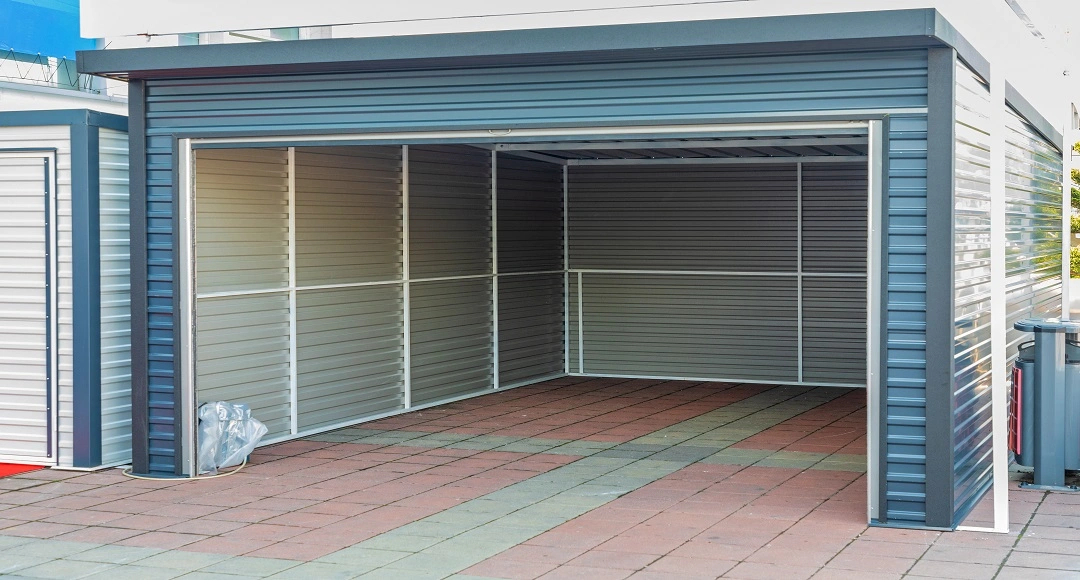
Choosing the right size for a carport starts with knowing your specific needs. A carport that’s too tight may cause inconvenience, while one that’s oversized could waste useful space. Measurements must be accurate, and every surrounding factor should be evaluated. Placement, layout, and function all affect the final decision.
Metal carport kits work well for providing coverage and protection for vehicles. To select the right size, begin with accurate vehicle dimensions. Look at both the current use and what might be needed in the future. A suitable carport offers flexibility, comfort, and dependable coverage in a single structure.
Measure Vehicle Size Correctly
Start by measuring your vehicle’s full length from bumper to bumper. Include added features like spare tire mounts or towing hitches. Next, check the width, accounting for mirrors and door movement. Don’t forget to include height, especially for roof racks or light bars.
Once you have the basic measurements, consider how much clearance you want around the vehicle. Aim for enough space to walk around freely. Additional width and height improve overall access and comfort. Exact measurements reduce the chance of tight spaces or blocked doors.
Factor in Additional Storage Needs
Vehicles are not the only things that may go under a carport. Many use that space for trailers, bikes, or utility carts. If these are part of your setup, include their sizes when planning. Group everything you plan to store, then measure the total space needed.
Keep future plans in mind too. You may later want room for lawn tools, firewood, or outdoor gear. A slightly larger carport gives you flexibility to adapt. This forward thinking saves money and effort if storage needs increase.
Evaluate Environmental Conditions
Where you live affects what size carport fits best. Areas with heavy snow may need higher clearance or wider roofs. Dry areas with intense sun could benefit from deeper coverage to protect finishes. These factors affect how well the space performs throughout the year.
Certain features might help in specific climates. For instance, a high roof pitch may help snow slide off. In wet areas, extra overhang might reduce splash on the vehicle. Think about how local weather interacts with the structure year-round.
Check Property Size and Placement
Review your lot dimensions and layout before selecting a kit. Check the space between fences, driveways, and nearby buildings. Make sure the carport won’t block views, access points, or footpaths. Careful planning helps maintain good spacing across the yard.
Some properties may have rules that limit structure size. Check local zoning guidelines for setback limits, height rules, and space coverage caps. Permits may be required based on size or placement. Avoid issues by confirming every detail before setting up.
Prepare for Different Use Cases
A carport may need to serve several purposes over time. A size that fits today’s car may not suit a larger vehicle later. Some people add trailers, boats, or campers to their storage list. Planning now saves work in the future.
Here are uses that sometimes need extra room:
- Second vehicles
- Equipment like ATVs or snowmobiles
- Large seasonal tools
- Covered work area or shelter
- Extra driveway space extension
Speak With Specialists Before Making a Final Decision
Before committing to any metal carport kit, connecting with specialists can make all the difference. Teams that focus solely on vehicle protection structures understand spacing, layout, clearance, and zoning limits better than most general suppliers.
Professionals who work specifically with metal carport kits understand how to match size, layout, and clearance to different vehicle types and property conditions. Their input can help avoid costly missteps and simplify each stage of the process. If you’re looking for clarity and efficiency, it’s worth connecting with teams that focus entirely on this category.
Read More: Nvidia RTX 60 Specifications Leak: Rubin GPUs & 32GB VRAM