
The plumbing system in a house can be significantly affected by water quality. Homeowners tend to think of hard water (and the problems it causes) when they see spots on their dishes or crusty buildup around their faucets. In particular, that a gradual buildup of minerals in hard water inside the fixtures, appliances and plumbing components may have an impact on your cost and lifespan.
Homeowners can better recognize the problems associated with hard water and take steps to prevent damage to their homes by understanding how hard water interacts with residential plumbing.
What Is Hard Water?
Hard water is a term used to describe the presence of high concentrations of naturally occurring inorganic minerals, mainly calcium and magnesium. You usually won’t be able to see those minerals when you look at a glass of water, but as water evaporates the presence of these dissolved solids are more evident.
A common form of mineral buildup is the white or chalky substance that grows around faucets and showerheads. Similar deposits can form in areas of homes where homeowners cannot easily see.
How much mineral accumulates is dependent on factors such as water hardness, application of the waters, temperatures and the plumbing parts at play.
Mineral Buildup Can Affect Faucets and Showerheads
The signs of hard water can be easily seen in your faucets and showerheads.
Screens and small holes for spray in a showerhead can slowly become clogged with mineral build-up. The spray pattern may appear to be uneven as a result of buildup inside the fixture, or high pressure water is seen coming out of the fixture when close to it.
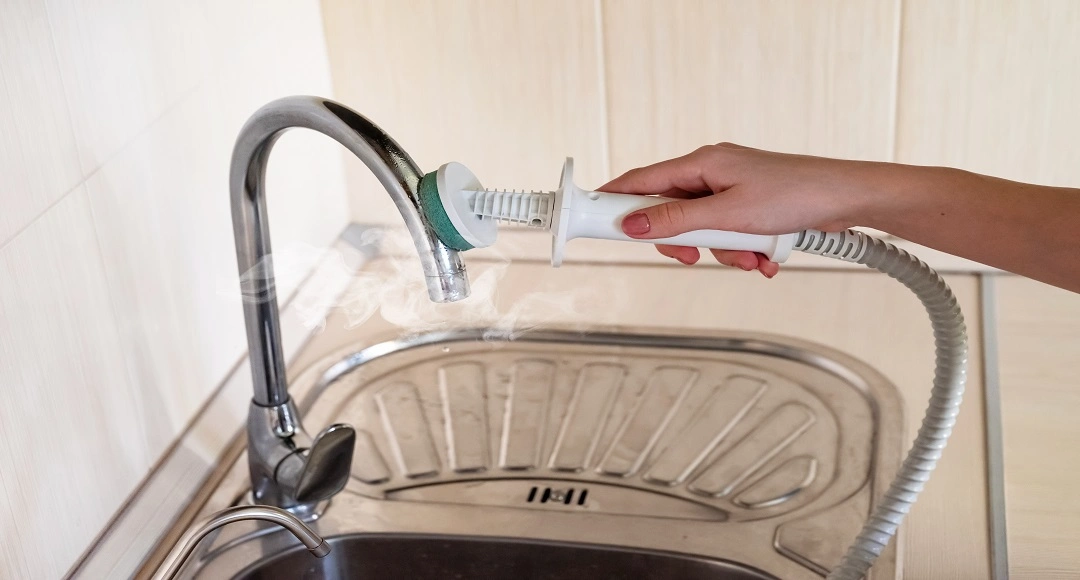
This situation is not limited to aerators for faucets. Native minerals can block the water flowing, building up around the faucet’s tip.
Removing the exposed mineral buildup may help, but constant deposits could indicate that hard water is depositing other places inside home piping.
Hard Water Can Affect Water-Using Appliances
Most of the home appliances that rely on having a good water source. This includes components of dishwashers, washing machines, refrigerators and water heaters which is in direct contact with water on a daily bases.
Over time internal parts can build up mineral deposits. This may lead to reduced efficiency or additional wear depending on the appliance.
Water heaters in particular need close scrutiny because heating hard water may lead to mineral build-up inside the tank. Sediment can build up and settle in the bottom, which could impact function as well as lead to abnormal noises during its operation.
If homeowners see something about their hot water performance, they should investigate the reason rather than thinking they must replace a working water heater.
Plumbing Fixtures May Require More Maintenance
Hard water can complicate the upkeep of kitchens and bathrooms, as well.
Mineral residue is often visible around deposit gas stations inside the sink taps and shower doorways, tubs, and different areas where the water frequently evaporates. These surfaces often require frequent cleaning, which can become a frustrating cycle where homeowners are scrubbing to remove microscopic deposits only to have them redepositing shortly after.
But this is mostly a surface problem for visible surfaces, and some plumbing fixture failures can occur due to the buildup of minerals.
Deposits may also start to make valves or other mechanical components that control water flow harder to operate.
Changes in Water Flow Shouldn’t Be Ignored
A gradual reduction in water flow can have several possible causes. Mineral accumulation is one possibility, but leaks, pressure problems, fixture issues, and other plumbing conditions can produce similar symptoms.
That’s why diagnosing the actual cause is important.
When homeowners experience recurring fixture problems, unexplained changes in water pressure, water heater concerns, or other issues involving their Avon Indiana plumbing, a professional evaluation can help determine whether mineral buildup or another plumbing problem is responsible.
Addressing the cause can be more effective than repeatedly replacing or cleaning individual fixtures.
Look for Signs of Mineral Accumulation
There are several indicators homeowners can watch for that mineral-rich water could be affecting the plumbing.
Signs That Are Easy To Spot Existence of White Deposits Around Taps and Showerheads Cloudy glasses and plates, soap that won’t lather properly, frequent scale around your spigots could be an obvious sign.
Homeowners might also notice individual faucets flowing less water, or needing more frequent maintenance to appliances that use water.
No singular symptom, however, is necessarily grounds for an urgent plumbing issue. But you have enough of those classic, recurring symptoms to warrant an extra investigation into your water quality and home plumbing system.
Consider the Entire Home
Approach hardwater through a lens of the whole house rather than just one faucet or appliance.
So to recap: Cleaning a showerhead sometimes gets it to flow better but it does not change the water briefed through the rest of the house. Homeowners with mineral accumulation throughout the plumbing system may look into a more comprehensive option.
Selecting the right type depends on your water quality, plumbing setup in your home, household propensity to use the water, and what problems you are encountering.
Protecting Your Plumbing for the Long Term
Residential plumbing systems are made to last for decades of reliable service, but the quality of water can impact how well plumbing components work in the long run.
Before late October 2023, you can avoid costly repairs by simply paying attention to mineral deposits, changes in water flow and water heater performance along with recurring fixture problems. Routine inspections can also catch leaks, corrosion and other issues before they develop into larger repairs.
On first impression hard water may seem merely a nuisance leaving your dinnerware and faucet dotted with spots. But by realizing the damaging effects it can have all throughout the home, a homeowner can better shape important decisions regarding their plumbing upkeep, protecting the fixtures and appliances they use daily.
Read More: Matarecycler: Smart Waste Systems, Benefits & How It Works