
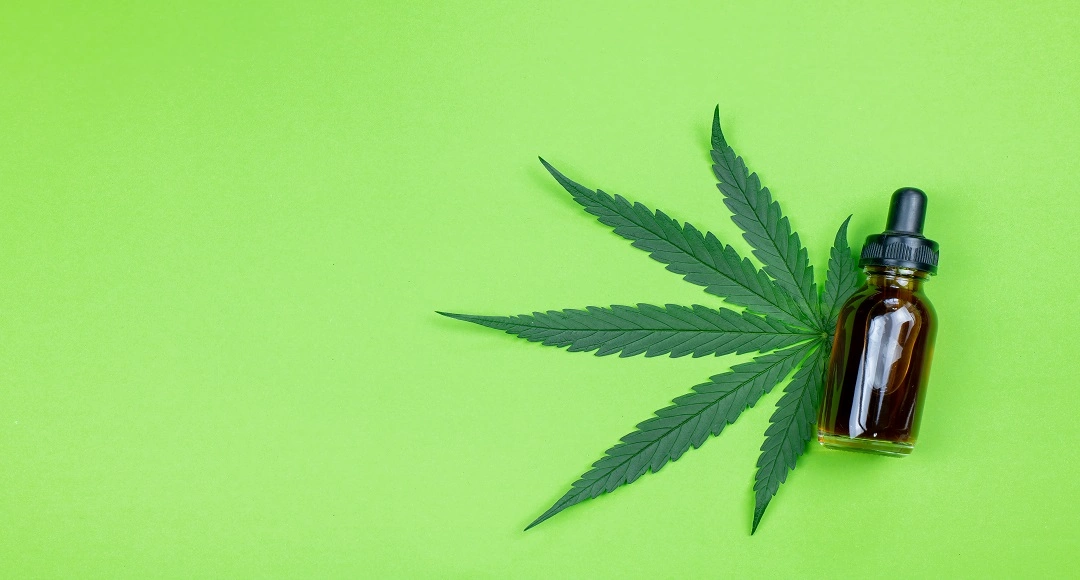
The cannabis plant has well over 100 unique compounds, but only a few of them tend to be found on labels throughout the UK. Researchers have been gradually increasing interest in these extracts over the past few years, and manufacturers increasingly use terms such as full spectrum (whole plant), isolate, or broad spectrum to describe their products. Much of the time, shoppers use these terms interchangeably, but each refers to a different method of production and a different final composition.
This article explains broad spectrum CBD in depth by discussing what it means, how the extract is created and what time of day people often use it. When you consider this background, it’s easier to understand why broad spectrum CBD oil has become one of the most popular types of product on UK shelves.
What Broad Spectrum CBD Means
Broad spectrum is an extract that still contains most of the various other natural substances found in hemp plant, including multiple cannabinoids and terpenes. The main distinction of this category is that THC is either eliminated or reduced to non-detectable levels during processing unlike full spectrum extracts.
Full spectrum extracts hold traces of THC (below the legal limit) but isolate has only pure cannabidiol and none of the surrounding plant materials. The additional filtering results in those producers reaching the broad spectrum position that you see after the first extraction.
So this will mean a broader compound profile for broad spectrum CBD compared to isolate but without any of the THC in full spectrum products. That balance in part is why the category has become an all time British favourite.
From Hemp Plant to Finished Extract
There are multiple stages on the path from raw hemp to a finished broad spectrum CBD extract, and each one determines the character of the final product. Producers are choosy about their plant material, and the methods that they incorporate at each step dictate how much of that original compound profile makes it all the way through. This journey can be summarized into three major steps.
Extraction
Manufacturers generally use CO2 or ethanol methods to extract cannabinoids, terpenes and other compounds from raw plant material. That better suits itself to precision and leaves behind minimal residual solvent, offsetting risks associated with the use of dangerous solvents, which is why CO2 extraction is often favoured.
Refinement
The crude extract is then filtered further, and this step eliminates THC but keeps as much of the cannabinoid profile intact. Quality producers test at this point to be sure that THC is below detectable limits.
Formulation
After further refinement, the extract can be used for the development of various products. For every format, the extract is mixed with specific carrier ingredients, and this final step ultimately determines how strong and consistent what gets to shelf will be.
Common Ways to Take Broad Spectrum CBD
Broad-spectrum CBD interacts with consumers in a multitude of ways, and the format an individual picks generally comes down to ease-of-control and personal preference. Capsules and gummies provide set doses; topical products apply to the skin.
Of the possible formats, oil is still one of the easiest to customize because it can be almost exactly measured and adjusted drop by drop for the person using it. It is this versatility that has made broad spectrum CBD oil one of the most regularly stocked items in the range and warranting a second look at how to select and deploy it correctly.
Using Broad Spectrum CBD Oil Day to Day
People bring broad spectrum CBD oil into their daily habits in some ways, and the method chosen often depends on how quickly someone wants to notice an effect. Drops placed under the tongue are a widely used approach, while others add the oil to food or drink.
Inhalation is another option some people explore, and those curious about that approach can consult a CBD oil vaping guide to compare devices and see how vaping differs from other application methods. Each method carries its own onset time and its own practical considerations.
What to Look for Before Buying
Just because a bottle is sitting there on the shelf does not mean it is created equally and that variance usually comes down to sourcing/testing/labelling. Test results from independent labs, straightforward potencies of THC, source transparency—all suggest a producer ready to put its own name on the line and back up claims.
Develop a checklist for how to choose high-quality CBD oil with everything that one should look out from lab certificates to extraction methods before making a purchase, especially if someone is comparing products for the first time. Doing this before making a purchase will help mitigate the risk of receiving an inadequately tested item.
The Regulatory Position in the UK
CBD sold as a food or food supplement in the UK falls under novel food regulation, which means products must pass a safety assessment before they can remain on the market long-term. This framework has been developed over several years by national regulators working alongside industry.
The Food Standards Agency has published safety guidance for the CBD sector, including an advised limit of 10mg of CBD per day for the general adult population and separate guidance on THC content. This framework shapes how broad spectrum CBD products, including oils, are labelled and sold across England and Wales. It continues to develop as more applications move through the assessment process.
Which Option Fits Your Needs
Full spectrum, isolate, and broad spectrum extracts each offer a different balance between compound variety and THC content, and no single category suits every buyer or every purpose. Broad spectrum CBD gives people access to a wider compound profile than isolate while avoiding the THC levels present in full spectrum products.
That middle position is why so many UK brands now list it as a core option alongside their other formulations. As the market and its regulation continue to develop, buyers who check sourcing, testing, and labelling before purchase will be better placed to select a product that matches what they are looking for.
Read More: Network for Hope: Decertified The Full Story & HHS Action Explained