
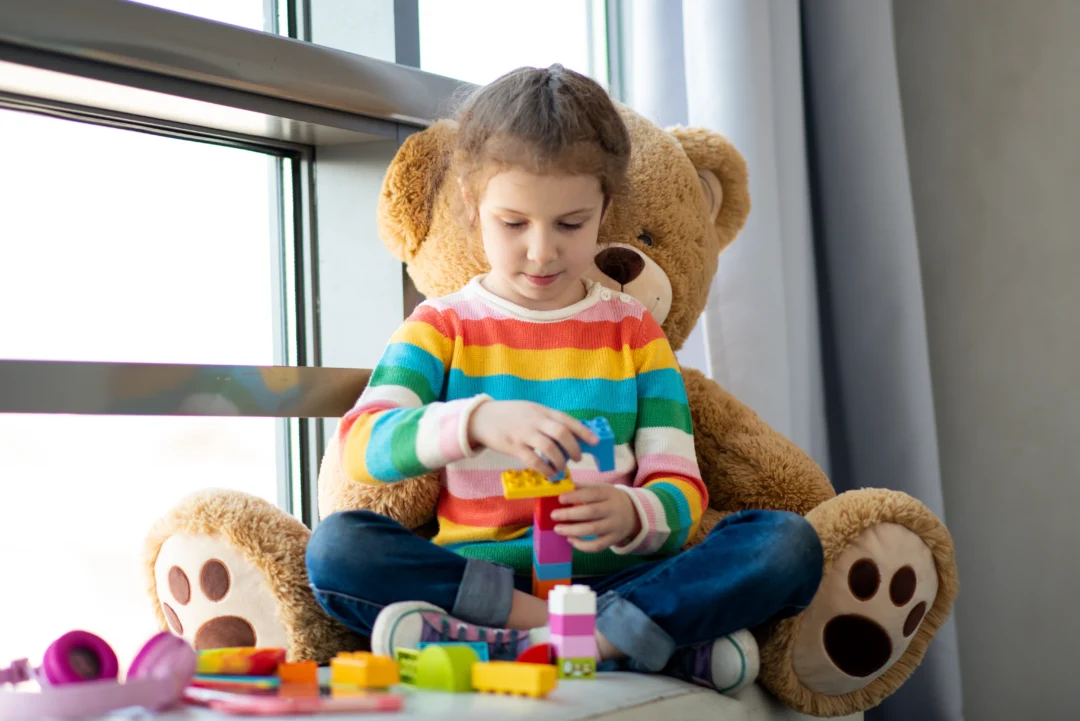
The right safe toy is very different depending on your kid’s age. A toy that might feel just right for a curious 8-year-old can turn into a real issue for a toddler who’s still mapping the world with their mouth. That’s why toy safety isn’t one of those simple, one-size-fits-all checklists, not really. It depends on the age, the stage, and, honestly, sometimes even the home environment. If you’re shopping for safe 3D printed toys or anything else, here’s how to approach safety for each age group.
Toys for Babies and Toddlers (0–3)
For kids under three years old, they really do need the closest watching when picking toys. In this stage, children very often “study” things through touching, squeezing, and yes, by putting objects in their mouths, kind of without thinking about it.
The first thing to check is the age guidance that’s printed on the toy. Also try not to pick toys that have tiny detachable pieces, loose add-on bits, or any kind of extra part that could be a choking hazard.
Choose Simple, Solid Designs
For babies and younger toddlers, designs with fewer pieces and simple shapes are usually easier for small hands to manage. Make sure the toy doesn’t have sharp edges, easily removed parts, or delicate components that could snap off during normal play.
Bigger 3D printed action figures, straightforward sensory toys, and items sized appropriately are usually a safer match than complicated building sets.
(Alt text: Colorful 3D Printed Articulated Dragon)
Check the Material
Parents should look for clear material information, from the manufacturer. Like, if a product is meant for young children, it’s a good idea to check whether the material and also the finished product actually follow the relevant toy safety requirements, for the market where the toy will be used.
With 3D printed products, material choice matters a lot because different printing materials have different physical properties and behavior, basically they don’t act the same.
Consider Supervision
Even a toy that fits the age range still needs adult supervision, especially for little ones. Inspect toys regularly for cracks, broken sections, or loose parts. And if something looks damaged, replace it, don’t just keep using it.
Nexbie offers a range of 3D printed products, but parents should always verify the recommended age and the item specific safety information before handing a particular piece to a young child.
Toys for Preschoolers (Ages 3–5)
Preschoolers have more developed motor skills and usually enjoy toys that involve movement, imagination, and problem-solving.
This age group can interact with more detailed figures, puzzles, animals, and creative playsets. Still, small components require attention.
Look for Interactive Designs
Articulated toys are particularly interesting for preschoolers because movable sections encourage hands-on play. Dragons, dinosaurs, animals, and fantasy figures can become part of imaginative games.
Nexbie’s collection includes articulated 3D printed figures designed around creatures and fantasy themes. Before purchasing, check the specific product’s age recommendation and construction.
Puzzles and Creative Play
Jigsaw Puzzles offer another option for preschoolers. They encourage children to manipulate pieces, recognize shapes, and solve simple problems.
A themed puzzle also adds an element of familiarity. Character-inspired designs, animals, and fantasy themes give parents more ways to match a toy to a child’s interests.
Parents should still check the size and number of puzzle pieces. Products with small pieces require closer supervision, particularly when younger siblings are present.
Holiday and Countdown Toys
Holiday-themed toys provide another way to combine play with anticipation. A 3D printed advent calendar gives children a daily activity or collectible experience during the holiday season.
Nexbie brings along creative 3D printed designs that feel right for seasonal gifting and also for collecting, it’s kind of a whole vibe. When you’re choosing an advent calendar for a preschooler, you really want to look at the recommended age, plus the size of every single piece. Those tiny collectible parts should stay away from younger kids, because some of them might try to put them in their mouths, even if the packaging looks safe.
Toys for Children (Ages 6–12)
Kids from six to twelve usually have better hand eye coordination, and their interests start spreading out. In this window they may enjoy collectibles, puzzles, action figures, fantasy creatures, dinosaurs, and other more intricate playthings.
Here safety checking turns a bit, moving from just choking worries toward sturdiness, material details, any moving components, and also what the child is likely to do with the toy.
Articulated Figures
Articulated 3D printed figures give children the ability to pose and manipulate their toys. Dragons, dinosaurs, animals, and fantasy creatures are popular themes.
The joints and moving sections should remain intact during normal play. Parents should inspect the figure if a component becomes loose or damaged.
Nexbie offers articulated figures across several themes, giving children options for both imaginative play and collecting.
Puzzles and Brain Games
Older children often enjoy more challenging puzzles. Puzzles can introduce physical shapes and mechanisms that differ from conventional flat puzzles.
These toys also work well as gifts because they combine entertainment with problem-solving. Choose the difficulty level based on the child’s age and experience.
Collectibles
Children who enjoy collecting might prefer figures based on animals, fantasy creatures, dinosaurs, or other themes.
A collectible does not always need to function as a traditional toy. Some products work primarily as display pieces, so parents should distinguish between products designed for play and products intended for decoration.
(Alt text: Pixel Cat 3D Printed Figurine)
Safety Checks for All Ages
Some habits work no matter how old your child is.
- Respect the age label: This is not just a marketing suggestion. Age recommendations are based on factors related to how the toy is intended to be used.
- Look for known safety standards: ASTM F963 is a major toy safety standard in the US that covers hazards such as sharp edges, small parts, and certain material requirements.
- Check toys regularly: Even if toys are safe when they are brand new, wear and tear can make them dangerous over time, so it’s worth checking them periodically.
- In multi-child households, sort toys by age: What is safe for an older sibling might not be safe for a younger one.
It’s also worth remembering that safety isn’t some one-time check you do at the store, then forget about. All that wear and tear—yeah it stacks up over time. Toys get dropped, chewed on, and just left out in the yard. With a quick look every few months, especially for the toys that are used every day, a lot of issues can be noticed before they turn into a real danger. It takes a minute, but it’s one of the easiest ways to keep playtime safe without spiraling into overthinking every single purchase.
Conclusion
Toy safety is about matching the toy to the actual child, not only the child on paper. Babies and toddlers need the most careful checks for choking risks, preschoolers do best with sturdy, clearly labelled playthings, and school-age kids can usually manage more detail and a bit more complexity.
So no matter what you are shopping for, take a minute to scan the age label, the safety standards, and the part sizes—those small steps can really make a difference in keeping playtime safe.
Read More: State Farm Customer Dividend Payments: The Direct Question ?