
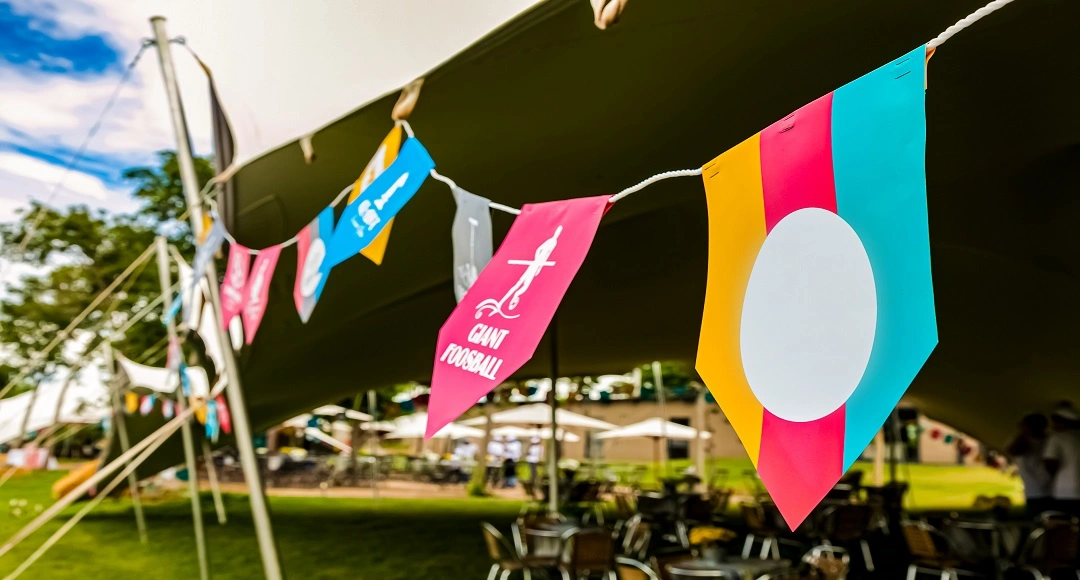
Local events do not need to be large or expensive to leave a meaningful impression. A morning workshop, a wellness circle, a school fundraiser, a small business pop-up, or a neighborhood clean-up can all feel warm and organized when the details are handled with care.
People often remember how an event made them feel more than the schedule itself. Was it easy to find the entrance? Did they know where to go? Did the space feel welcoming? Did they leave with something useful, thoughtful, or connected to the experience?
Small branded touches can help answer those questions. They can create a sense of belonging without making the event feel overly commercial. The goal is not to cover every surface with a logo. It is to use design, language, and practical items in ways that support the purpose of the gathering.
Start With the Feeling You Want to Create
Before choosing signs, printed materials, or take-home items, it helps to decide what kind of atmosphere the event should have.
A meditation workshop may call for soft colors, simple wording, and minimal visual clutter. A community art fair may feel more alive with playful illustrations and bright directional signs. A professional networking breakfast may need a clean, calm style that helps people feel comfortable introducing themselves.
This first step matters because branding is not just a logo. It is the overall experience people associate with the event. When the details match the mood, the event feels more intentional.
For example, a wellness coach hosting a self-care afternoon might use neutral name cards, handwritten-style welcome notes, and small canvas bags for journals or tea samples. A local bakery hosting a seasonal tasting might use warm colors, recipe cards, and paper tags tied to sample boxes.
The materials are simple, but they tell guests, “This was planned with you in mind.”
Use Signage to Reduce Confusion
One of the most practical ways to improve an event is through clear signage. People feel more relaxed when they do not have to guess where to park, where to sign in, or which room to enter.
Directional signs do not need to be elaborate. A few well-placed boards or printed posters can make a big difference. Use short phrases such as “Welcome,” “Registration,” “Workshop Room,” or “Refreshments.” Make the type large enough to read from a distance, and keep the design consistent.
If the event is in a shared venue, signs are especially useful. Guests may be arriving at a school, coworking space, community hall, or hotel they have never visited before. Clear signs help them move through the space without feeling awkward.
For smaller gatherings, printed table signs can also guide the experience. They can label activity stations, explain donation options, or share a simple schedule. This reduces the need for repeated announcements and lets hosts focus on connecting with guests.
Give People Something Useful, Not Just Decorative
Event giveaways can be thoughtful when they serve a purpose. The most appreciated items are often the ones guests can use during or after the event.
A notebook works well for a workshop. A reusable bottle may suit an outdoor activity. A bookmark can fit a book club gathering. A small pouch may help attendees keep materials together. A tote bag can be useful when guests receive handouts, samples, or purchases from local vendors.
The key is to avoid giving items just for the sake of filling a table. Ask a simple question: will this make the guest’s experience easier, calmer, or more enjoyable?
For example, a small studio preparing a wellness workshop might compare practical print options such as toteprint when planning reusable bags that hold journals, schedules, and resource sheets.
A useful item can extend the memory of the event in a quiet way. If someone later uses the tote for groceries or carries the notebook to work, they may remember the workshop or community gathering connected to it.
Keep the Design Simple and Readable
It is tempting to include every detail on a printed item, especially when space seems available. But simple designs often feel more polished and are easier to use.
For signs, include only the information people need in that moment. For bags or printed keepsakes, consider using a short phrase, event name, date, or small illustration. A calm design can feel more personal than a crowded one.
Readability is also important. Thin fonts, low contrast colors, or tiny text can make materials harder to understand. If the event is open to a wide age range, clear lettering matters even more.
A useful test is to look at the design from a few steps away. If it cannot be understood quickly, it may need fewer words or stronger contrast.
Color choices should also support the event mood. Soft greens, creams, and blues can work well for wellness or environmental themes. Deep colors and clean type may suit professional gatherings. Bright accents can help family events feel cheerful and approachable.
Support Local Vendors and Partners Thoughtfully
Many community events involve partners, sponsors, instructors, vendors, or volunteers. Recognizing them can be done in a way that feels appreciative rather than distracting.
Instead of placing many logos everywhere, consider a simple partner board near the entrance or a printed thank-you card included in event materials. If vendors are present, make sure their tables are easy to find and clearly labeled.
For fundraisers, printed cards can explain how contributions will be used. For school or nonprofit events, a short message about the cause can help guests feel connected to the purpose behind the gathering.
This kind of communication builds trust. People are more likely to participate when they understand the story behind the event and how their presence supports it.
Think About What Happens After the Event
The experience does not end the moment guests walk out the door. A few thoughtful follow-up details can help people carry the value of the event into their daily lives.
If it was a wellness session, send participants home with reflection prompts or a short breathing exercise card. If it was a small business workshop, provide a checklist they can use later. If it was a community event, include information about the next gathering or volunteer opportunity.
Printed materials can work alongside digital follow-up. Some people appreciate having something physical to keep on a desk, fridge, or bulletin board. Others may prefer an email recap. Offering both can make the information more accessible.
It is also worth gathering feedback. A small printed card or simple online form can ask what guests enjoyed and what could be improved. This shows that the host values the community’s experience, not just attendance numbers.
Make Sustainability Part of the Planning
Thoughtful event branding should also consider waste. Choosing reusable or recyclable materials can help reduce items that are discarded immediately after the event.
Reusable bags, refillable water stations, digital tickets, recyclable paper, and minimal packaging can all support a lighter footprint. If food is served, clear compost or recycling signs can help guests make better choices without confusion.
Sustainability does not have to feel complicated. It can be as simple as printing fewer large banners, choosing items people will use again, or avoiding single-purpose plastic decorations.
When sustainability aligns with the event’s values, it becomes part of the overall message. Guests notice when the details reflect care for both people and the environment.
Conclusion
Memorable events are rarely built on one dramatic feature. They are shaped by many small choices that help people feel welcomed, guided, and included.
Clear signs, useful take-home items, readable designs, thoughtful partner recognition, and practical follow-up materials can all make a gathering feel more organized and meaningful. These details do not need to be expensive or excessive. They simply need to support the purpose of the event.
When branding is handled with care, it becomes less about promotion and more about connection. It helps guests understand where they are, why they are there, and how they can carry the experience with them after they leave.
Read More: How To Write A Thank You Email After An Interview: With Simple