
Yeast Infection Cloudy Urine You go to the bathroom and look down and your pee is not white. It is dull, milky, perhaps slightly stringy. Then you remember 2 days of itching and burning. And now, you’re asking yourself if this is a yeast infection, a urinary tract infection, or both.
Well, if you were to search Yeast Infection Cloudy Urine expecting a yes / no answer then we are in the right article for you. This guide breaks down why things are going haywire in your body, how to differentiate a yeast infection from a UTI, and when you should ditch the guesswork and just go see a doctor.
Table of Contents
- The Short Answer: Can a Yeast Infection Cause Cloudy Urine?
- What Cloudy Urine Actually Means
- Yeast Infections 101
- How a Yeast Infection Can Make Urine Look Cloudy
- Yeast Infection vs. UTI: Side-by-Side Comparison
- Why Cloudy Urine Points to a UTI More Often
- Other Causes of Cloudy Urine
- Yeast in the Urine (Candiduria)
- Can You Have a Yeast Infection and a UTI at the Same Time?
- How to Tell What You Have at Home
- When to See a Doctor
- How Doctors Diagnose the Problem
- Treatment Options
- Prevention Tips
- Frequently Asked Questions
- Final Thoughts
The Short Answer: Can a Yeast Infection Cause Cloudy Urine?
The honest-to-god answer To: can a yeast infection cause cloudy urine? Not directly, in most cases. A standard vaginal yeast infection usually occurs in the vagina and vulva, but not in or against the bladder and kidneys, so it does not actually affect urine.
But there’s a catch. The lady parts that get yeast infections will pass thick, white discharge. That discharge can cleave with the stream when you pee, creating urinating appear cloudy or flecked even if the urine leaving your bladder was crystal clear. does a yeast infection cause cloudy urine? It can cause cloudy urine in the toilet however, it is generally not altering urine inside your body.
At the same time, cloudy urine is one of the classic symptoms of urinary tract infection. That’s why the question in the title is potentially significant: if you have cloudy urine with burning, urgency or lower abdomen pain you might have a UTI and/or an accompanying yeast infection.
This is what the rest of this article is for: sorting which is which.
2. What Cloudy Urine Actually Means
Normal urine is usually pale yellow and clear in color. Cloudy urine, sometimes referred to by doctors as turbid urine, is urine that appears murky, milky, or hazy. It happens when there is an additional something floating on top of the urine such as:
- Bacteria
- Mucus
- Crystals or minerals
- Protein
- Pus
- Vaginal research discovered or semen caught out on that method
Cloudiness, in itself, is not a diagnosis. It’s sometimes harmless after a night of drinking too little or a phosphate-rich meal. At other times, it is a sign of an infection or kidney issue: This is why you must pay attention to the other symptoms as closely as the colour and clarity of your urine.
3. Yeast Infections 101
A vaginal yeast infection, clinically known as vulvovaginal candidiasis, is caused by an overgrowth of a fungal organism called Candida – most commonly Candida albicans. In a healthy vagina, small amounts of Candida lives naturally because healthy bacteria keep it in check. The yeast is typically kept in balance but when this balance loses, the yeast multiplies and makes you symptomatic.
Common triggers include:
- Recent antibiotic use
- Hormonal shifts (pregnancy, birth control, period fluctuations)
- Excessively Uncontrolled Diabetes or High Blood Glucose
- A weakened immune system
- Wearing close-fitting clothing that does not allow the skin to breatheTight clothes on hot wheatherOr remaining in wet bathers
- High stress and poor sleep
Typical yeast infection symptoms:
- A very bad itchy feeling in and around the vagina
- Vulvitis (red and swollen vulva)
- Cottage cheese discharge, thick and whitish, usually odorless
- Burning, especially during sex
- Painful burning sensation on contact between urine and caused irritated surface
That last point is important. It is very common for the pain to occur mostly externally (as urine flows over inflamed tissue) while experiencing burning when you pee with a yeast infection. A UTI feels burning more internally, not along the urethra.
4. How a Yeast Infection Can Make Urine Look Cloudy
So how does cloudy urine yeast infection show up as a real-world combination? A few ways.
Discharge mixing with your urine stream
This is the most popular explanation. Yeast infection: There is often large clumps of thick discharge with a yeast infection. Your sample might appear cloudy or it may have white flecks if you pound some of it in the toilet bowl or into a collection cup whenever you pee. Your urine may be perfectly clear before you even pass it from your body.
Quick test: if you go to pee in a clean cup and the first part looks cloudy but later parts are clear, its very likely that contamination from something in discharge is what’s responsible.
Irritation and inflammation nearby
Excess cells and mucus can be shed from inflamed tissue. A little of that can spill over into your pee, giving it a cloudy appearance.
Changes in what you’re eating and drinking
If you’re not drinking as much water, your urine becomes more concentrated when you are feeling poorly and concentrated urines can appear darker in color and cloudy. Now, that is not the yeast, but dehydration and the two often overlap.
A coexisting UTI
Sometimes the cloudiness really is a UTI that’s occurred in tandem with the yeast infection. Which is easier said than done and more so common than people think, we will touch on it down below.
So when people ask does yeast infection cause cloudy urine, the most accurate reply is: it can appear to, mostly because of discharge, but true changes inside the urine usually point somewhere else.
5. Yeast Infection vs. UTI: Side-by-Side Comparison
The two conditions overlap enough to be confusing. Do NOT diagnose treat this table like a cheat sheet
| Feature | Vaginal Yeast Infection | Urinary Tract Infection (UTI) |
|---|---|---|
| Cause | Overgrowth of Candida fungus | Bacteria (most often E. coli) in the urinary tract |
| Where it happens | Vagina and vulva | Urethra, bladder, sometimes kidneys |
| Cloudy urine | Sometimes, from discharge mixing in | Very common |
| Urine smell | Usually normal | Often strong or foul |
| Itching | Intense vaginal and vulvar itching | Uncommon |
| Discharge | Thick, white, clumpy | Usually none |
| Pain when peeing | Burning as urine touches irritated skin (external) | Burning inside the urethra (internal) |
| Urgency and frequency | Not typical | Very common |
| Lower belly pain | Uncommon | Common |
| Blood in urine | Rare | Possible |
| Fever or back pain | Not typical | Possible if the infection reaches the kidneys |
| Treatment | Antifungal medication | Antibiotics |
Clues to your condition If you are heavily on one column when looking at the symptoms. Don´t just assume what the mix is if they are a mixture. Get tested.
6. Why Cloudy Urine Points to a UTI More Often
When bacteria to infect the urinary tract, your immune system due to such information will make a white blood cell will fight against them. The urine becomes cloudy due to those cells, along with bacteria and even blood sometimes. That is one of the reasons that haziness in urine is a classic symptom of UTI.
Other common UTI symptoms include:
- A need to urinate frequently, even if little heatustin comes out
- Frequent urination in small amounts
- Burning or stinging sensation while urinating
- Strong-smelling urine
- Pink, red, or brown-tinged urine
- Lower abdominal pain or cramping
- Feeling tired or generally unwell
When cloudy urine occurs along with urgency and burning but little or no vaginal itch or thick discharge, a UTI is the more likely explanation. The point of the title question is that a yeast infection is an easy culprit to use for what might actually be a bladder infection.
7. Other Causes of Cloudy Urine
Not everything cloudy is an infection. Other possibilities include:
- Dehydration: When your body is low on water, it means waste is more concentrated as well and therefore can appear darker or hazy.
- Sexually: transmitted infections. The presence of discharge and urinary symptoms may cloud the picture with co-infection with chlamydia, gonorrhea, and trichomoniasis.
- Bacterial vaginosis (BV): BV may cause discharge that is thin, grayish and fishy, often mingling urine.
- Kidney stones: Types of Kidney Stones: (16) – Kidney stones can cause clouded or bloody urine with Back or Flank pain …
- Kidney disease: Foamy or cloudy urine — Protein in the urine can cause it to appear foamy.
- Pregnancy: Pregnancy is also associated with AKI due to increased urinary outflow, hormonal fluctuations that affect urine concentration.
- Diet: Phosphates and certain vitamins in high dosages as found in foods and supplements can affect clarity of urine temporarily.
- Semen: Semen can in fact be present in urine and for a short period give it a milky appearance after sex.
Because so many things can cause cloudy urine, one look in the toilet isn’t enough to know what’s going on.
8. Yeast in the Urine (Candiduria)
One scenario where yeast really is in your pee and it’s not the same as a yeast infection (vaginal) It is a term called candiduria, which is the existence of Candida in a urine sample.
In most normal individuals, candiduria originates from pollution. If the culture reveals yeast, it is simply a contamination from a genital site and does not represent a urinary tract infection. And if you are symptom-free, there is no treatment given by doctors.
Candida urinary tract infections are much less common than bacterial UTIs. Such things usually occur more often in individuals with:
- Have a urinary catheter
- Have diabetes
- Are in hospital or in ITU
- Had long courses of antibiotics
- Have a weakened immune system
- Possess anatomical urinary tract defects
If you’re basically healthy, the chances that your yeast infection and cloudy urine are related means discharge related —it’s highly unlikely yeast has invaded into your bladder.
9. Can You Have a Yeast Infection and a UTI at the Same Time?
Yes, and it occurs a lot more frequently than you think. Some of the reasons it can show together or right after another.
Antibiotics. Antibiotics for UTI can kill off the good bacterium that keeps yeast at bay. It can occur just days after completing a UTI prescription.
Shared risk factors. Both are more likely to occur with diabetes, hormonal changes and moisture.
Close anatomy. Because the openings of the urethra and vagina are adjacent to one another, irritation or infection in one area can sometimes migrate to the other.
That’s why it’s tricky. If you have a U.TI. and your treat what you think is a yeast infection with an OTC cream, the UTI won’t get better. If left untreated, it may spread to the kidneys. However, if you take antibiotics for what is really only a yeast infection, you might kill the yeast.
Thus, if you wonder does yeast infection cause cloudy urine and also have an urgency, pelvic pressure or foul smelling urination, the safest is to test.
10. How to Tell What You Have at Home
You will never diagnose yourself definitely, but you can collect good hints before you telephone a clinic.
Ask yourself these questions
- Where is the burning: When urine comes into contact with skin on a dog outside, it is indicative of yeast. UTI – Shown by irritant inside the urethra.
- Is there itching: Wont usually have bad vaginal itch also towards yeast.
- Is there thick white discharge: That’s classic for yeast.
- Do I feel constant urgency: That’s classic for a UTI.
- Does my urine raisin a foul smell? That leans toward a UTI.
- Do I experience pressure or pain in my lower abdomen: That’s more typical of a UTI.
- You are sweating from your back as you contemplate: have I had fever, chills or back pain? It could be a kidney infection and requires timely care.
Try the clean-catch method
Wipe front to back, urinate in the toilet and catch middle portion of urine in a clean d cup If midstream urine is clear, the cloudiness earlier had to be due to discharge. Poorer visibility increases the chances that there is an infection inside the urinary tract.
Use home tests carefully
Urine test strips for UTI are a simple, convenient way to check for symptoms such as white blood cells and nitrites in urine. They help, but they aren’t accurate and orgasms can affect the results. Consider them clues, not absolutes.
11. When to See a Doctor
If you see any of the following, don’t tough it out:
- Persistent cloudy urine (more than 1-2 days)
- Bitter or painful ache growing more intense
- Blood in your urine
- Fever, chills, or shaking
- Pain in your back or side
- Nausea or vomiting
- Pelvic pain
- Unusual or foul-smelling discharge
- Significant signs these symptoms; do not respond to an at-home yeast infection treatment
- You’re pregnant
- If you have diabetes or a supressed immune system
- Get recurring vaginal yeast infections or UTIs
A kidney infection can rapidly become serious. Fever+ back pain + urinary symptoms=same day medical assistance.
An official diagnosis is especially useful if this is the first time you have experienced these symptoms. Uninstitutionalized self-treatment of the wrong condition just wastes time, money and comfort.
12. How Doctors Diagnose the Problem
Your healthcare provider will typically begin with a discussion of your symptoms, sexual history, recent medications, and past infections. Then they can take a few tests:
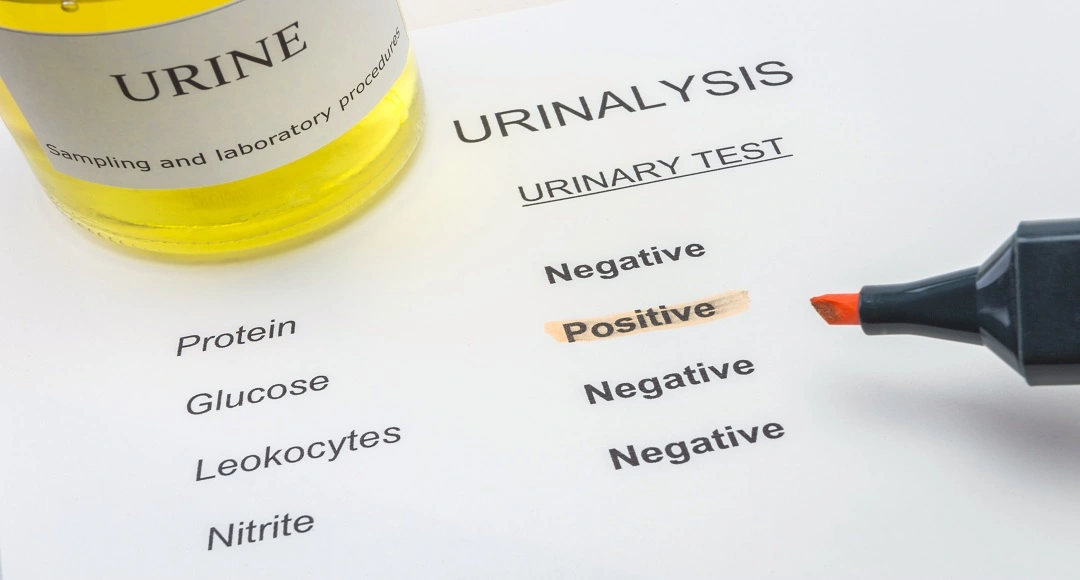
Urinalysis: A urine analysis showing excess white blood cells, red blood cells, bacteria, nitrites and protein. That lets them know whether your urine changes are due to an infection.
Urine culture: If a UTI is suspected, a culture determines the specific bacteria and which antibiotics are effective.
Pelvic exam and vaginal swab: If yeast or BV is suspected, a culture of the discharge can be microscope examined or culturetested.
STI testing: They may check for chlamydia, gonorrhea or trichomoniasis if your background indicates it.
Blood tests or imaging. These are rarely required, but helpful to rule out kidney infection, stones or other conditions.
Anyway, a lot of clinics can find you answers rapidly — often the same day.
13. Treatment Options
Treatment depends entirely on what’s causing your symptoms.
If it’s a yeast infection
- Antifungal creams or suppositories (such as clotrimazole or miconazole) available over the counter
- Oral fluconazole, a prescription pill often taken as a single dose
- Longer courses for severe or recurring cases
Symptoms often improve within a few days, though full treatment can take up to a week.
If it’s a UTI
- Antibiotics, prescribed after a urine test, for a few days up to a week or more depending on the type and severity
- Plenty of water to help flush the urinary tract
- Pain relief medication to ease discomfort while the antibiotics work
Please don’t try to treat a bacterial UTI with home remedies alone. Cranberry juice and similar options may help prevent UTIs in some people, but they don’t reliably cure an active infection.
If it’s both
Your provider may prescribe an antibiotic for the UTI along with an antifungal to protect against or treat a yeast infection.
Comfort steps that help either way
- Wear breathable cotton underwear
- Avoid scented soaps, sprays, and douches
- Skip sex until you’ve healed
- Stay hydrated
- Change out of wet clothes promptly
14. Prevention Tips
A few habits can lower your chances of dealing with either condition again.
To help prevent yeast infections:
- Avoid unnecessary antibiotics, and only take them when prescribed
- Wear loose, breathable clothing and cotton underwear
- Change out of sweaty workout clothes and wet swimsuits quickly
- Skip douching and heavily scented feminine products
- Keep blood sugar well controlled if you have diabetes
- Ask your provider about probiotics if you get recurrent infections
To help prevent UTIs:
- Drink plenty of water throughout the day
- Urinate when you feel the urge instead of holding it
- Pee after sex to help flush bacteria
- Wipe from front to back
- Avoid irritating products near the urethra
- Talk to your doctor about preventive options if you get frequent UTIs
Small habits add up. Most people find that keeping the area dry, avoiding irritants, and staying hydrated make a real difference.
15. Frequently Asked Questions
Q: Can a yeast infection cause cloudy urine?
A: Usually not directly. A vaginal yeast infection affects the vagina and vulva, not the bladder. However, thick yeast discharge can mix with your urine as you pee and make it look cloudy. If your urine is truly cloudy inside the urinary tract, a UTI or another condition is more likely.
Q: Does a yeast infection cause cloudy urine?
A: It can make urine look cloudy because of discharge contamination, but it doesn’t typically change the urine inside your body. Cloudy urine along with urgency, burning inside, or foul odor suggests a UTI rather than yeast alone.
Q: Does yeast infection cause cloudy urine?
A: In most cases, no, not on its own. The cloudy appearance usually comes from discharge or from a separate problem like a UTI, dehydration, or an STI. If cloudiness persists, get tested instead of assuming it’s yeast.
Q: Can yeast infection cause cloudy urine?
A: Yes, in a limited way. Discharge can mix with the sample, and a yeast infection can occur at the same time as a UTI. But the yeast infection itself is rarely the direct reason for cloudy urine.
Q: Do yeast infections cause cloudy urine?
A: They can appear to, particularly when discharge is heavy. For a more reliable answer, try a clean-catch midstream sample. If it’s still cloudy, look into other causes, especially a urinary tract infection.
Q: Is cloudy urine always a sign of infection?
A: No. Dehydration, diet, semen, and harmless mineral buildup can all cause temporary cloudiness. But if it lasts or comes with other symptoms, it deserves a checkup.
Q: Can I treat a UTI with yeast infection medication?
A: No. Antifungals treat yeast, not bacteria. A bacterial UTI needs antibiotics.
Q: How long does cloudy urine last with a yeast infection?
A: If it’s just discharge mixing in, it should improve as the yeast infection clears, usually within several days of starting treatment. If it lasts longer, get checked.
Can a yeast infection turn into a UTI?
A yeast infection doesn’t directly become a UTI, but the two can happen together or one can follow the other, especially after antibiotics or when the area stays irritated.
Q: Should I see a doctor if I’m unsure?
A: Yes. If you can’t tell whether you have a yeast infection, a UTI, or both, a quick urine test and exam will give you a clear answer and the right treatment.
16. Final Thoughts
Having cloudy urine can feel alarming, particularly if accompanied by itching, burning, or other discomforts. The good part is that, once you know what to look for, it is usually obvious what the answer to the puzzle is.
The bottom line is, a yeast infection usually doesn’t impact the actual urine itself (and most women don’t pee in cups unless its for testing purposes) however, thick discharge can give your pee an opaque appearance either in the toilet or cup. True cloudiness within the urine especially experience with urgency, interior burning, pelvic weight, or a strong smell suggests a UTI more strongly. And yes you can have both of those at the same time.
The safest approach is simple. Focus on the symptoms that accompany it, use a clean-catch specimen, and get tested when necessary. You are trained for the right treatment because you can only make a correct diagnosis and an early diagnosis saves you at least days of discomfort and complication.
This article is for general information only and isn’t a substitute for professional medical advice. If you’re unsure about your symptoms or they’re severe, please speak with a qualified healthcare provider.
Read More: Shower in a Can: How to Stay Fresh Without Water On the Go