
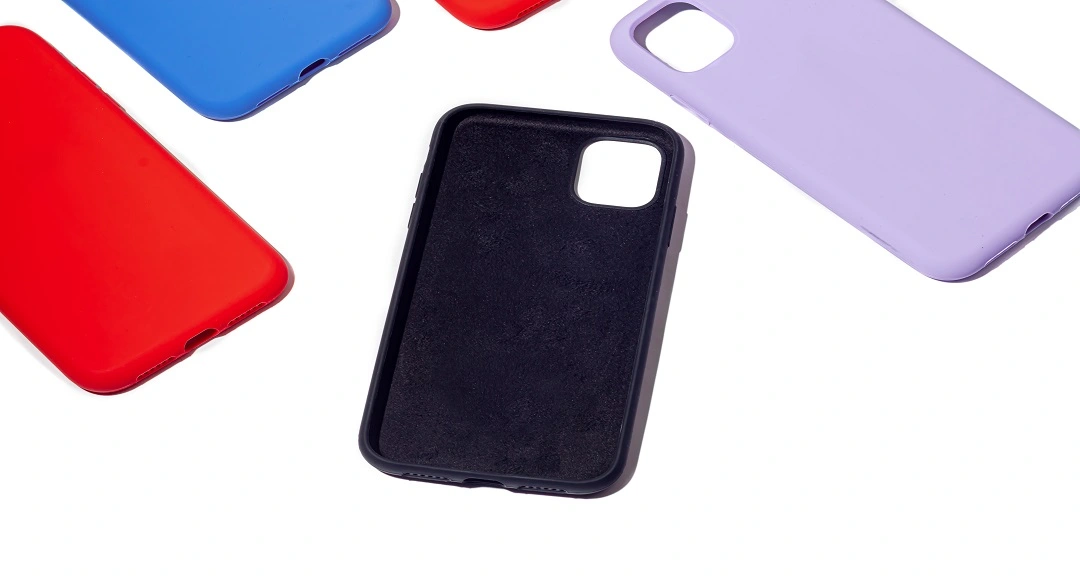
Ordering wholesale custom phone cases should be a straightforward process, but countless businesses lose thousands of dollars every year due to avoidable errors. Whether you are a retailer stocking your shelves, an entrepreneur launching a new brand, or an established company expanding your product line, the pitfalls of bulk phone case ordering can catch you off guard. From selecting the wrong materials to overlooking crucial design specifications, these mistakes erode profit margins and damage customer relationships. Understanding where others have gone wrong is the first step toward placing smarter, more profitable orders that elevate your business rather than drain your resources.
Choosing the Wrong Material for Your Market
One of the most damaging mistakes in the wholesale custom phone case industry is selecting materials that do not align with your target audience. Many buyers focus exclusively on price per unit without considering how material quality affects customer satisfaction and return rates. Silicone cases might be affordable in bulk, but if your customers expect premium protection, you will face an avalanche of complaints and returns that eat into your margins far more than the initial savings.
Different markets demand different material approaches. Budget-conscious consumers may accept basic TPU cases, while professionals and tech enthusiasts often prefer polycarbonate or hybrid constructions that offer superior drop protection. The mistake is not choosing affordable materials — it is choosing materials without researching what your specific customers actually want. Conduct surveys, study competitor offerings, and request material samples before committing to a large order of wholesale custom phone cases that might sit unsold in your warehouse.
Temperature sensitivity is another overlooked factor. Some materials become brittle in cold climates or soft and warped in heat. If you distribute across diverse geographic regions, you need cases that maintain structural integrity across varying conditions. Failing to account for this leads to seasonal spikes in defective product complaints that no amount of customer service can remedy.
Ignoring Design File Requirements and Print Specifications
Custom phone cases live or die by their visual appeal, yet an alarming number of wholesale buyers submit artwork files that do not meet manufacturing specifications. Low-resolution images, incorrect color profiles, and improper bleed areas result in fuzzy prints, color mismatches, and designs that appear off-center on the final product. These are not cosmetic inconveniences — they render entire batches unsellable.
Every printing method has specific requirements. UV printing demands different file preparation than sublimation or screen printing. Understanding the difference between CMYK and RGB color spaces is not optional when you are ordering hundreds or thousands of units. A design that looks perfect on your monitor can emerge from production looking washed out or oversaturated because nobody converted the color profile before sending files to the manufacturer.
Beyond color accuracy, template alignment matters enormously. Phone case surfaces are not flat canvases — they have camera cutouts, button openings, and curved edges that interact with your design. Failing to use the manufacturer’s exact template file means your artwork might bleed into unintended areas or get clipped at critical points. Always request updated templates for each phone model you plan to cover, and verify them against physical samples before approving mass production.
Overlooking Minimum Order Quantities and Hidden Costs
The advertised price per unit for wholesale custom phone cases rarely tells the complete financial story. Buyers who fixate on unit cost frequently overlook setup fees, mold charges, shipping costs, customs duties, and quality inspection expenses that can add thirty to fifty percent to the total investment. This sticker shock hits hardest when it arrives after production has already begun and cancellation is no longer an option.
Minimum order quantities present their own trap. Ordering the minimum might seem prudent for testing a new design, but some manufacturers quietly reduce quality control attention on smaller orders. Meanwhile, ordering too many units of an unproven design ties up capital in inventory that may never sell. The smart approach is negotiating sample runs at a slight premium before committing to full production volumes, ensuring both quality and market demand are verified.
Shipping timelines also conceal costly surprises. Express air freight can multiply your logistics budget by five or six times compared to sea shipping, but sea shipping adds weeks of waiting during which market trends may shift. Factor in potential port delays, customs clearance windows, and last-mile delivery costs when calculating your true landed cost per unit. Manufacturers like Runsuncase provide transparent pricing breakdowns that help buyers avoid these hidden cost traps from the outset.
Failing to Verify Phone Model Compatibility
Phone manufacturers release new models with alarming frequency, and each iteration brings subtle dimensional changes that render previous case molds obsolete. One of the most expensive wholesale mistakes is ordering cases based on outdated specifications. A millimeter difference in camera placement or button positioning transforms a perfectly designed case into a useless piece of plastic that cannot be sold or returned.
This problem compounds when you order cases for multiple phone models simultaneously. Cross-referencing each model’s exact dimensions, camera module layout, and port positioning requires meticulous attention to detail. Relying on generic specifications found online rather than manufacturer-confirmed measurements has cost businesses entire production runs worth of unsellable inventory.
The safest practice is requesting fitment samples for every phone model before approving bulk production. Physical verification catches issues that digital specifications miss — subtle curvatures, tolerance variations between phone production batches, and tactile feedback from buttons through the case material. This small upfront investment prevents catastrophic losses on orders that cannot be reworked or returned.
Neglecting Quality Control Before Shipment
Trusting that every unit in a wholesale order meets your standards without independent verification is a gamble that rarely pays off. Production defects in phone case manufacturing range from subtle color inconsistencies and uneven textures to critical flaws like misaligned cutouts and weak structural joints. Discovering these issues after inventory arrives at your warehouse means you absorb the cost of returns, reshipping, and lost sales opportunities.
Effective quality control requires establishing clear acceptance criteria before production begins. Define acceptable tolerance ranges for color matching, specify structural tests each unit must pass, and determine what defect rate you will tolerate per batch. Without these documented standards, disputes with manufacturers become subjective arguments that waste time and rarely result in satisfactory resolutions for either party.
Third-party inspection services offer an invaluable safety net for wholesale buyers who cannot personally visit manufacturing facilities. These inspectors verify production quality at multiple stages — during production, pre-shipment, and container loading — catching problems while correction is still feasible. The inspection fee typically amounts to a fraction of the potential loss from receiving a defective shipment, making it one of the highest-return investments in the entire ordering process.
Underestimating Lead Times and Market Timing
The phone case market moves at the speed of consumer electronics releases and social media trends. Ordering wholesale custom phone cases without accounting for realistic production and delivery timelines means your inventory arrives after peak demand has passed. A case designed for a phone model’s launch window loses most of its value if it reaches your warehouse three months after competitors have already saturated the market.
Production lead times vary significantly based on customization complexity, current factory capacity, and material availability. Simple single-color TPU cases might ship within two weeks, while multi-material cases with complex printing require six to eight weeks of production time. Add international shipping, customs processing, and domestic distribution, and your true timeline from order placement to customer availability can stretch to three or four months.
Seasonal demand patterns add another layer of timing complexity. Holiday shopping seasons, back-to-school periods, and major phone release cycles create predictable demand spikes that require advance planning. Experienced wholesale buyers at Runsuncase and similar manufacturers place orders months ahead of anticipated demand, building buffer time for unexpected delays without missing critical sales windows.
Skipping Communication Protocols with Your Manufacturer
Poor communication ranks among the most destructive yet entirely preventable mistakes in wholesale phone case ordering. Assumptions replace specifications, verbal agreements contradict written contracts, and cultural or language differences amplify misunderstandings into expensive production errors. Every detail that is not explicitly documented in writing becomes a potential point of failure.
Effective manufacturer communication starts with a comprehensive product specification document that leaves nothing to interpretation. This document should include exact Pantone color references rather than vague color descriptions, dimensional tolerances in millimeters, material grade specifications, packaging requirements, and labeling details. Accompanying this with physical reference samples eliminates the ambiguity that written descriptions alone cannot resolve.
Response time expectations and escalation procedures also require upfront agreement. Knowing who to contact when issues arise, what response timeframe is acceptable, and how disputes will be resolved prevents minor problems from escalating into order-threatening crises. Establishing a regular check-in schedule during production keeps both parties aligned and surfaces potential issues while correction remains feasible rather than after thousands of defective units have already been produced.
Payment terms deserve equal attention in your communication framework. Milestone-based payment structures that tie disbursements to verified production stages protect your capital while giving manufacturers confidence in your commitment. Avoid paying one hundred percent upfront regardless of how attractive the quoted price appears — retaining a portion until satisfactory delivery gives you leverage to ensure quality standards are maintained throughout the entire production run.
Protect Your Investment Before Placing Your Next Order
Every mistake outlined above represents real money lost by real businesses that failed to prepare adequately before committing to wholesale custom phone case orders. The common thread connecting all these pitfalls is the same: rushing into large orders without sufficient research, documentation, and verification. Material mismatches, design file errors, hidden costs, compatibility failures, quality oversights, timing miscalculations, and communication breakdowns are all preventable with proper planning and disciplined execution. The businesses that thrive in the competitive phone case market are not those with the lowest costs — they are those that eliminate costly errors before they occur, build strong manufacturer relationships based on clear expectations, and treat every order as a strategic investment rather than a simple transaction. Take the time to audit your current ordering process against these common failure points, and you will find that the path to profitable wholesale purchasing becomes remarkably clearer.
Read More: Adultsrach: The Truth Behind the Viral Search Trend Explained