
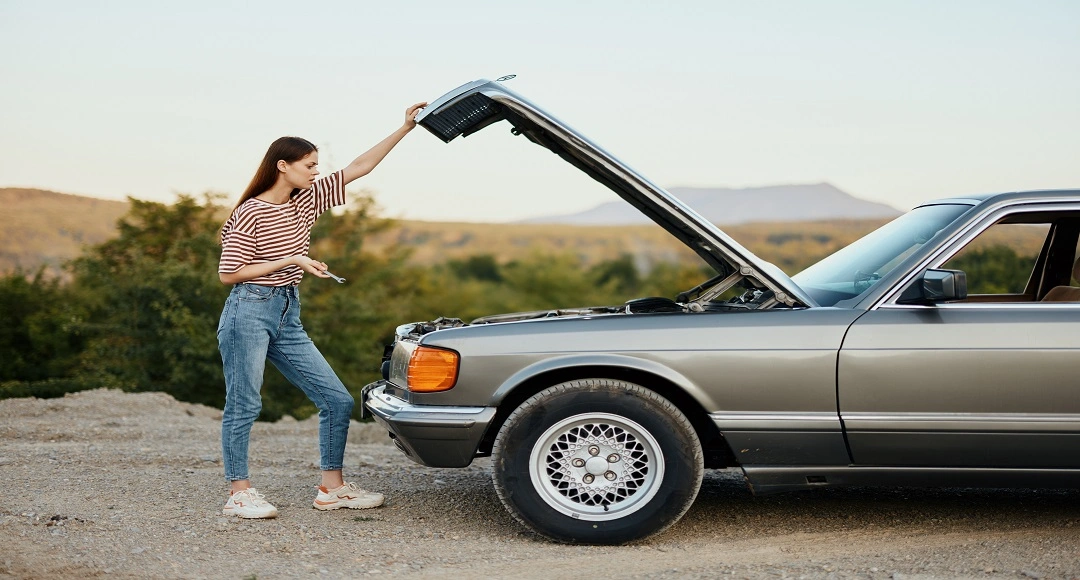
There is a generation of drivers who came of age during a period of sustained economic pressure, graduated into a housing market that felt permanently out of reach, entered a workforce shaped by gig economy uncertainty and now face the practical reality of maintaining a vehicle in a period of rising repair costs.
Gen Z drivers, broadly those born between the late 1990s and the early 2010s, are navigating the economics of car ownership with a resourcefulness and pragmatism that older generations developed more gradually and that the automotive industry is only beginning to fully understand.
The strategy that has emerged from this navigation is not complicated, but it is consequential. Rather than aspiring to newer vehicles they cannot comfortably afford, a growing number of Gen Z drivers are investing in keeping older vehicles alive, and the tool that is making this strategy viable is the used parts market.
The Economic Context That Shapes the Decision
To understand why Gen Z drivers have embraced used parts with an enthusiasm that distinguishes them from previous generations, it is necessary to understand the economic context in which they are making vehicle-related decisions.
New vehicle prices have reached levels that place conventional automotive aspiration out of practical reach for most early-career earners. The average transaction price for a new vehicle has risen substantially over the past several years and remains elevated in most major markets. Even used vehicle prices, which spiked dramatically during the period of new vehicle supply constraints and have only partially corrected since, remain high relative to the incomes of drivers in the early stages of their working lives.
Insurance costs have added a further layer of financial pressure. Young drivers face the highest insurance premiums of any age demographic, reflecting actuarial risk assessments that are accurate in aggregate but that create significant financial burdens for individual young drivers who may be perfectly responsible behind the wheel.
The combination of high vehicle acquisition costs, high insurance premiums and the general cost-of-living pressures that have disproportionately affected younger adults has created a financial environment in which the conventional path of upgrading to a newer vehicle every few years is simply not accessible to a large proportion of Gen Z drivers.
The response to this environment has been pragmatic and, in retrospect, entirely logical. If you cannot afford to replace your car, you invest in keeping it running. And if the cost of keeping it running at new parts prices is prohibitive, you find a better source for the parts you need. According to the American Automobile Association (AAA), vehicle ownership costs including fuel, maintenance, insurance and depreciation represent a significant proportion of take-home pay for young adults, making cost reduction in any of these categories a financially meaningful priority.
The Digital Natives Advantage
Gen Z’s relationship with the used parts market is shaped by something that distinguishes this generation from every previous cohort of car owners: they are the first generation of drivers for whom searching for anything online is an entirely natural first response to any information need, including the need to find a replacement component for a failing vehicle.
Where an older driver might instinctively call a local garage or visit a dealership when a significant repair is needed, a Gen Z driver instinctively searches. They compare prices across multiple sources, read reviews, watch tutorial videos and arrive at purchasing decisions with a level of market information that previous generations simply did not have access to. The transparency of online used-parts platforms, where prices from dozens of sellers can be compared simultaneously and seller ratings provide reliable quality guidance, maps perfectly onto the research habits this generation has developed across every other area of consumer behaviour.
The same fluency that makes Gen Z effective online shoppers for clothing, electronics and travel makes them effective online shoppers for car parts, and the financial incentives to apply that fluency to vehicle maintenance are considerable. A generation that has grown up comparing prices across multiple platforms before buying almost anything is not going to accept a single dealer estimate for a significant repair without exploring the alternatives, and the alternatives that the used parts market offers are consistently compelling.
The Vehicles That Benefit Most From This Approach
The used parts strategy works best for a specific category of vehicle, and it is not coincidental that this category aligns closely with the vehicles that Gen Z drivers are most likely to own. Older, well-established models with large production runs, abundant parts availability and simple enough mechanical architecture to be accessible to a motivated home mechanic represent the ideal application for the repair-over-replace philosophy.
A ten to fifteen year old economy car or compact SUV from a mainstream manufacturer is a vehicle for which used parts are abundantly available, affordably priced and well-documented through the extensive online communities that surround popular models. The combination of platform search tools, model-specific forums and freely available tutorial content makes maintaining these vehicles with used parts a genuinely accessible proposition for drivers willing to invest time in understanding what their vehicle needs and where to source it.
For more significant repairs, including engine replacement, the used parts market offers savings that are particularly transformative for younger drivers operating on tight budgets. The ability to find a replacement engine for your car through an established online platform, verify its compatibility and condition through the available search tools and seller information, and have it delivered to a trusted independent mechanic for installation at a total cost that is a fraction of new unit pricing, is a capability that previous generations of young drivers simply did not have. It is the capability that is keeping cars alive that would previously have been written off as uneconomical to repair.
The Community That Supports the Strategy
One of the less-discussed but genuinely important elements of the Gen Z approach to vehicle maintenance with used parts is the community infrastructure that supports it. Online communities dedicated to specific vehicle makes and models, YouTube channels run by independent mechanics and automotive educators, and social media communities where members share repair experiences and parts sourcing advice have collectively created a knowledge ecosystem that makes competent vehicle maintenance more accessible than ever before.
A Gen Z driver facing an unfamiliar repair on a popular vehicle model can find detailed guidance from people who have completed the same repair, recommendations for parts sources that have delivered quality outcomes and advice on pitfalls to avoid, all without leaving the platforms they already use daily.
This community knowledge dramatically reduces the information barrier that previously made vehicle maintenance feel inaccessible to non-specialists and provides the confidence to attempt repairs that might otherwise have sent a less connected driver directly to an expensive workshop.
The content creator economy has played a specific role in this development. Automotive channels on major video platforms have built substantial audiences among young drivers who approach vehicle maintenance as a learnable skill rather than a mysterious specialism, and the practical, accessible style of the most successful creators reflects and reinforces the pragmatic self-sufficiency that characterises Gen Z’s approach to car ownership more broadly.
The Environmental Alignment That Matters to This Generation
The economic case for used parts is the primary driver of Gen Z adoption, but it does not stand alone. Environmental values play a meaningful role in the purchasing decisions of this demographic in ways that are well-documented across multiple consumer categories, and the used parts market aligns with those values in ways that new parts purchasing does not.
Choosing a used component over a newly manufactured equivalent avoids the raw material extraction, manufacturing emissions and supply chain impact associated with producing that component from scratch. For a generation that is more likely than any previous cohort to consider the environmental implications of significant purchasing decisions, this alignment between the financially optimal choice and the environmentally preferable one is genuinely reinforcing. According to the Pew Research Center, Gen Z consistently reports higher levels of concern about environmental issues than older generations and is more likely to factor environmental considerations into purchasing decisions across multiple categories, including automotive.
A Generation Redefining What Car Ownership Looks Like
What Gen Z is doing with old cars and used parts is not simply a response to financial pressure, though financial pressure is the catalyst. It is the emergence of a different model of vehicle ownership that values durability, resourcefulness and informed maintenance over the aspirational replacement cycle that previous generations were more easily recruited into.
The driver who researches their options thoroughly, sources quality used parts through transparent and buyer-protected platforms, develops a relationship with a trusted independent mechanic and approaches vehicle maintenance as a manageable and learnable set of skills rather than an intimidating black box is a driver who is consistently better off financially and more resilient to the cost pressures that affect every car owner.
This model of ownership did not originate with Gen Z, but this generation is adopting it at scale and with a digital fluency that makes it more accessible and more effective than it has ever previously been. The old car kept alive by smart parts sourcing is not a compromise. In 2026, it is increasingly the most rational vehicle ownership strategy available to a generation that has learned to question the assumptions that previous generations accepted without examination.
Read More: Backtofrontshow: Pricing Guide, Plans, Costs & Honest Review