
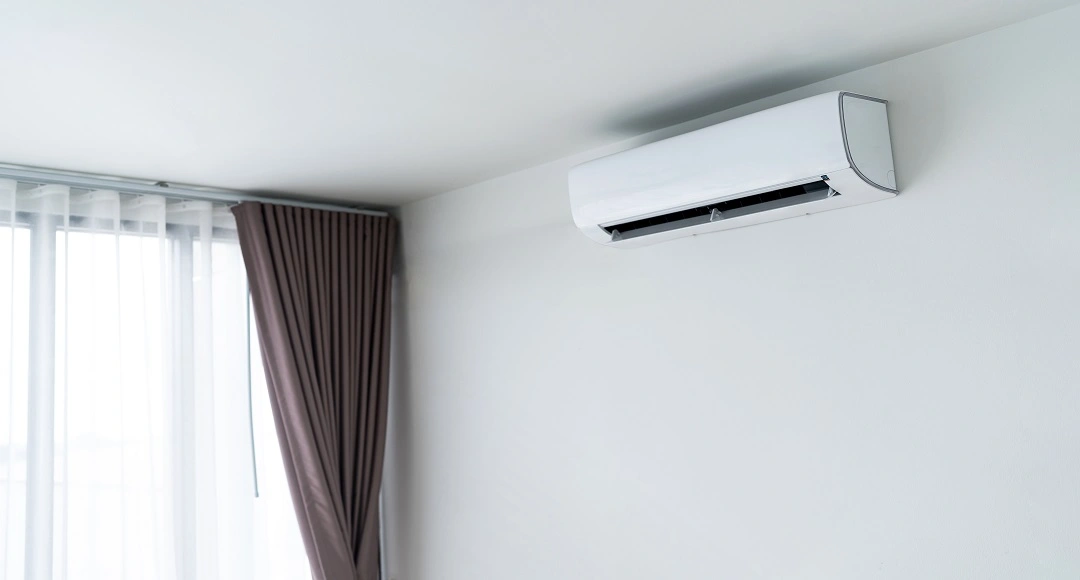
Ductless mini-split systems have become one of the most popular cooling upgrades for homeowners who want efficient, room-by-room temperature control without the hassle of ductwork. They’re quieter than window units, cheaper to run than central air in many cases, and far easier to install since they only require a small hole in the wall to connect the indoor and outdoor units. But like any mechanical system, a ductless AC only performs well if it’s properly maintained. Skipping upkeep doesn’t just shorten the unit’s lifespan — it can quietly drive up your energy bills and leave you with a repair bill you didn’t see coming.
If you’ve recently installed a ductless AC system Edmonton homeowners rely on, or you’re thinking about getting one, here’s what you actually need to know about keeping it running smoothly for years to come.
Why Maintenance Matters More Than You Think
A ductless system works by pulling warm air from your home, extracting the heat, and releasing it outside — the same basic principle as a central air conditioner, just without the network of ducts moving air around. Because there’s no ductwork to lose energy through, these systems are already more efficient by design. But that efficiency depends entirely on the indoor and outdoor components staying clean and functioning correctly.
When dust builds up on a filter or debris clogs the outdoor unit, the system has to work harder to reach the same temperature. That extra strain doesn’t just cost you more on your utility bill — it accelerates wear on the compressor and other internal parts, which are the most expensive components to replace.
Clean the Filters Regularly
This is the single easiest thing a homeowner can do, and it’s also the most commonly ignored. The indoor unit’s filters trap dust, pet hair, and other airborne particles before air is cooled and pushed back into the room. Over time, these filters get clogged, restricting airflow and forcing the system to run longer to hit your target temperature.
Most manufacturers recommend cleaning the filters every two to four weeks during heavy usage months, and at least once a month otherwise. It’s usually just a matter of sliding the filter out, rinsing it with water, letting it dry completely, and popping it back in. It takes ten minutes and makes a noticeable difference in airflow and efficiency.
Keep the Outdoor Unit Clear
The outdoor compressor unit needs open space around it to breathe. Leaves, grass clippings, snow, and general yard debris can pile up around the base or get pulled into the fan, restricting airflow and putting extra load on the system. Homeowners should periodically walk around the unit and clear away anything that’s accumulated, especially after storms or during fall when leaves are dropping.
It’s also worth checking that nothing — like a fence, shed, or overgrown shrub — has been installed too close to the unit since it was originally placed. Manufacturers typically recommend a clearance of at least a couple of feet on all sides for proper airflow.
Check for Leaks and Blockages
Ductless systems rely on refrigerant lines and condensate drainage tubing that run between the indoor and outdoor units. Over time, these hoses can develop blockages or small leaks, which reduce cooling performance and, in some cases, can cause water damage near the indoor unit if condensate isn’t draining properly.
While homeowners can do a basic visual check for obvious issues — like water pooling near the indoor unit or ice forming on the lines — actually testing refrigerant levels and pressure requires a trained technician. If you notice reduced cooling performance, unusual noises, or moisture where there shouldn’t be any, that’s a sign it’s time to call in a professional rather than wait it out.
Don’t Skip the Annual Professional Inspection
Beyond the basic upkeep you can handle yourself, it’s worth scheduling a professional inspection once a year. A trained technician will check things homeowners typically can’t assess on their own: electrical connections, run capacitors, refrigerant charge, and the internal condition of both the indoor and outdoor units. Catching a worn capacitor or a minor refrigerant leak early is far cheaper than dealing with a full system failure in the middle of summer.
Most ductless systems last somewhere between 12 and 20 years, and that lifespan depends heavily on how consistently the system has been maintained. Manufacturers often back their equipment with parts warranties of up to a decade, but those warranties don’t cover damage caused by neglect — which is one more reason regular upkeep pays off.
Watch for Warning Signs
A few things should prompt a call to a professional rather than a DIY fix:
- The unit is running constantly without reaching the set temperature
- Unusual rattling, buzzing, or clicking sounds
- Water leaking from the indoor unit
- A noticeable spike in your electricity bill with no change in usage
- Ice buildup on the indoor or outdoor coils
Any of these can point to a refrigerant issue, electrical fault, or mechanical wear that needs a technician’s attention before it turns into a bigger, more expensive repair.
The Bottom Line
Ductless mini-splits are a smart, efficient choice for homeowners who want targeted comfort without the cost and hassle of extending ductwork. But like any HVAC equipment, they need consistent care to keep delivering on that efficiency. Cleaning filters, keeping the outdoor unit clear, watching for leaks, and scheduling an annual professional check-up are simple habits that add years to the system’s life and keep your energy bills in check. A little routine maintenance now saves a lot of frustration — and money — down the road.
Read More: Image Search Techniques: Advanced Reverse Search, AI & Tools