Water is a resource that can easily go to waste unnoticed, and yet, it is one essential item that both a healthy lawn and a successful garden depend on. The average homeowner just turns on a hose or sprinkler system and thinks it is working properly, but few actually monitor how much water is being used outdoors week over week. Everyone loves a little tip on saving money on the utility bill, and in the case of your garden that all begins with your knowledge of how much water it needs. We want root rot from overwatering, the need for plant health protection and ensuring that every single drop is directed to the soil where it belongs instead of washing downs a driveway or evaporating in the heat of midday sun.
Why Outdoor Watering Deserves More Attention
In the warmer months, lawns and gardens can be the single biggest use of water around homes. And leaving a sprinkler on for twenty minutes longer than needed or having broken hose at the connector that leaks small steady stream or even worse, a drip line in the wrong position can lead to hundreds of gallons wasted over a season. The issue is that, for the most part, this waste is hidden. A garden hose running just a little too long does not create the puddle inside you step in that alerts you immediately like a leaking tap across the house.
And this is why more gardeners and landscapers are moving from mere guess-work to actual measurement. Rather than estimating how long to water based on habit, they are recording hard numbers: gallons per minute, total weekly usage, and how that compares to what the lawn/garden bed actually needs.
Measuring Garden Water Usage the Right Way
The easiest way to get started is timing how long it takes to fill a five-gallon bucket with your hose on full bore. Take the 300 seconds, divide it by how many seconds it took, and multiply by five to arrive at a rough gallons per minute summary. The above works as a fast check however is not accurate enough for anyone wanting to fine tune their watering regime or monitor throughout the growing season.
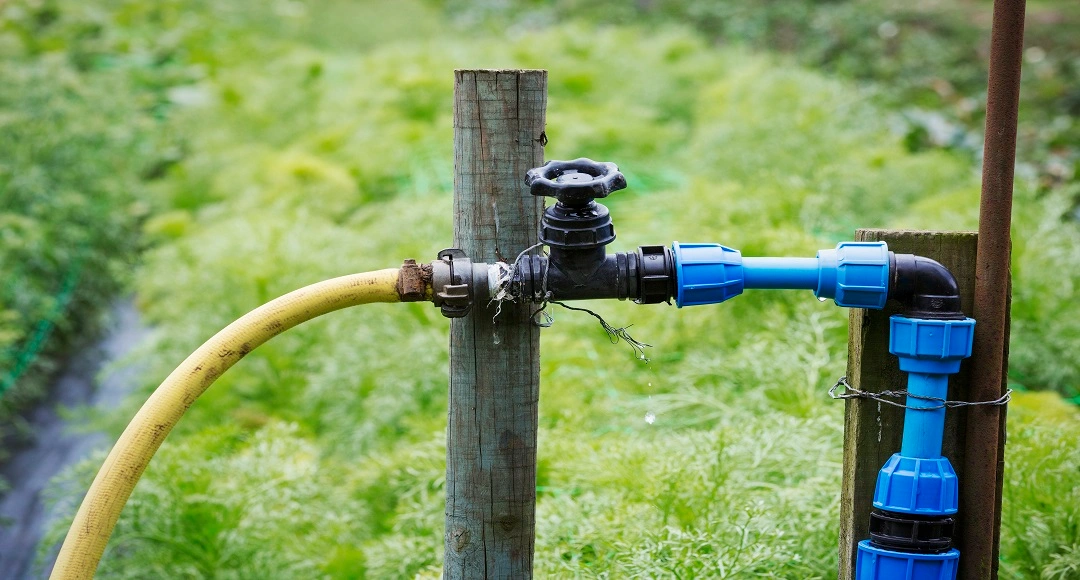
For more accurate and ongoing tracking, many gardeners attach a dedicated water flow meter directly to the hose bib or irrigation line. A device like this gives a real time reading of how much water is passing through at any given moment, rather than a one time estimate. Over a season, that kind of consistent data makes it much easier to spot leaks early, compare watering zones against each other, and adjust irrigation timers based on actual consumption instead of assumptions. For gardeners who want to take irrigation seriously, this small upgrade often pays for itself within a single summer through reduced water waste.
Common Sources of Wasted Outdoor Water
But overall, even the most well-kept of irrigation systems perform much less efficiently over time. Some of the key offenders include:
- Sprinkler heads that have become misaligned, spraying onto pavement instead of grass
- Dripper that clog with sediment and stop working or leak supposedly continuously
- Faucet connections whose washers are worn out and have not made sure that a steady drop falls even if the tap is kept completely off
- Watering times are scheduled for peak sun hours, during when evaporation rates are highest
- Entire sprinkler zones that overlap and give plants two shots of water in the same area
Going out to your yard once a month through the growing season and assessing each of these can identify problems before they translate into an identifiable increase in your water bill.
Improving Efficiency Without Sacrificing Plant Health
Just be careful not to underwater your garden. It translates to supplying the right quantity of water — what is necessary for the soil, and plants. Few of the simple habits which truly make a difference:
Water at dawn, when the sun is not yet in full force to lose moisture through evaporation before it gets to the roots. Planting species with similar water needs together to avoid watering drought tolerant species just because they happen to be planted near thirstier ones is important. For garden beds add two to three inches of mulch to slow evaporation, which will need you to water even less often. If your garden is on a strict watering schedule — and many are, regardless of recent rain — check soil moisture first with an old-school buried finger test before reaching for the hose out of habit.
By adding direct consumption measurement, such as through a flow metering system or a bucket test, those habits transform irrigation from an act you complete into a process that you can manage and optimize.
Final Thought
Even a garden that appears vibrant on the outside may be hiding poor watering techniques below ground. One of the easy changes that will pay off in plant health and lower bills is measuring instead of guessing how much water your lawn and garden actually use. Like any other human activity, these small steps — for example checking if a sprinkler head is actually rotating; setting timers to avoid watering during peak sun hours; tracking flow over the season and adjusting as needed — can lead to plenty of resource efficiency without harming the garden because it becomes important every year, until it stops.
Read More: Current Mortgage Rates: Compare Today’s 30- & 15-Year Loans