
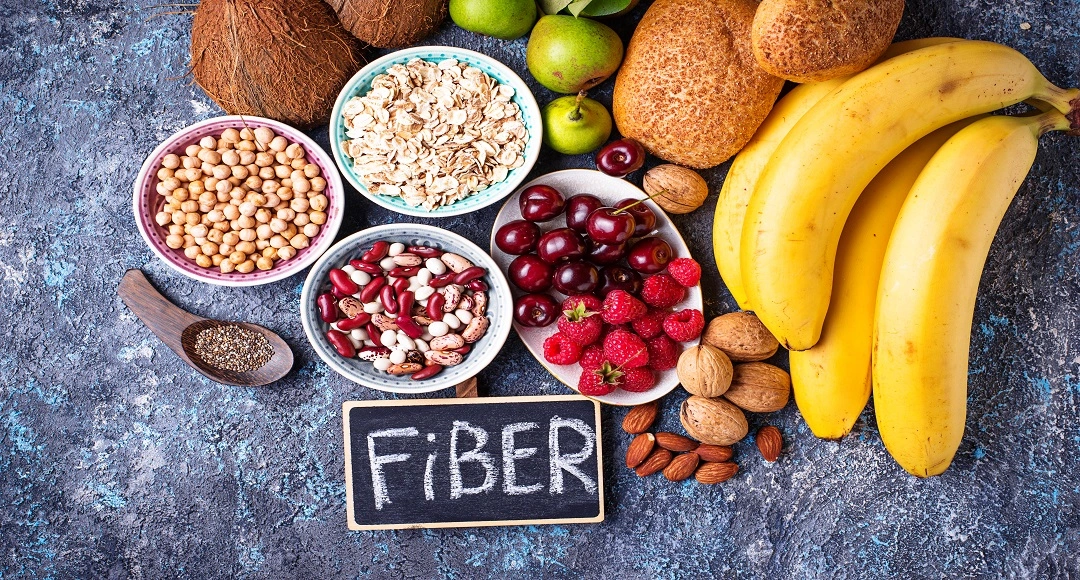
Most of you may already know that fibre is needed for better digestion. Without enough fibre in your diet, you may notice constipation and irregular bowel movements, which can affect your health in many ways.
In this blog, you’ll learn how a low-fibre diet can affect your weight and some effective ways to add more fibre to your diet.
Why Is Fibre Important for Body Weight?
Fibre is present in fruits, vegetables, whole grains, pulses, beans, nuts, and seeds. What separates fibre from carbs, protein, and fats is that it passes through the digestive system without being fully broken down.
Due to this, the biggest advantage of fibre is that it adds bulk to your food and provides very few calories compared to carbs and protein. This helps make meals more filling and may reduce hunger between meals.
For someone who’s trying to lose excess weight, fibre can help reduce calorie intake.
But what if your goal is to gain weight (healthy fat and muscles)? Even then, fibre is highly crucial. Check the next section.
Role of Fibre-Rich Diet in Healthy Weight Gain
Fibre creates a healthy gut environment by supporting a healthy gut microbiome and supports regular digestion. This helps your gut handle a higher-calorie diet more comfortably, which can help improve nutrient absorption.
In this way, along with adequate protein, carbohydrates, healthy fats, and enough total calories, fibre-rich foods can support a nutritious weight-gain plan.
You can get healthy amounts of fibre from fruit salads, assorted nuts, and seeds. Add porridge made from the best oats for breakfast, vegetables to your lunch and dinner, choose whole grains more often, and include beans or lentils in your meals.
Increase Fibre Gradually
The easiest way to increase fibre is to make small changes rather than completely changing your diet overnight.
If you are increasing fibre after eating very little of it, do so gradually. A sudden increase may cause gas, bloating, or abdominal discomfort. Drinking enough water can also help your digestive system adjust.
Don’t Forget Protein, Carbs, and Healthy Fats
Fibre isn’t the only filling nutrient out there. Adequate protein can support muscle maintenance and growth, while helping you feel satisfied after meals.
Generally, whether your goal is to gain or lose weight, your meals should also provide adequate calories, protein, carbohydrates, and healthy fats. So, include all types of nutrients in your meals, balancing each of them as per your health goals.
For example, having protein oats prepared with milk, yoghurt, nuts, seeds, and fruit can turn a simple breakfast into a more balanced and filling meal.
Similarly, adding paneer, tofu, eggs if you eat them, dairy, lentils, beans, or protein-rich foods to your meals can help you meet your protein requirements. These nutrients nourish your body, while fibre plays the behind-the-scenes role in supporting better digestion.
To Sum Up
Fibre is important for both healthy weight loss and weight gain. It supports digestion, keeps meals filling, and helps maintain a healthy gut. Add fibre-rich foods like fruits, vegetables, oats, whole grains, nuts, seeds, beans, and lentils to your meals while also getting enough protein, calories, and healthy fats.
Read More: Client Relationship Partner: Role, Duties & Strategy